
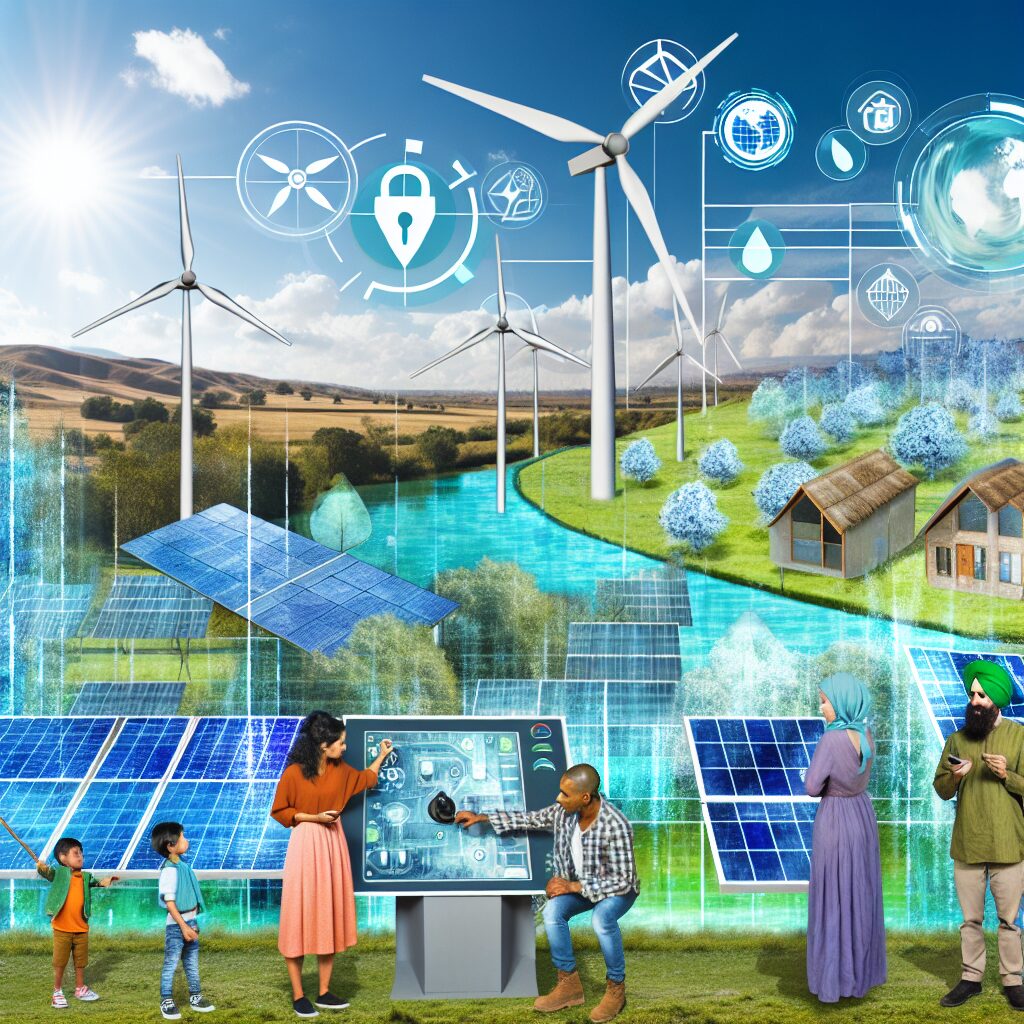
Decentralizing Power: Distributed Energy Generation for a Sustainable Future
The global energy landscape is undergoing a significant transformation, moving away from centralized power generation toward a more flexible and resilient distributed energy model. This shift represents a critical strategy in addressing climate change and creating a more sustainable energy infrastructure.
Understanding Distributed Energy Generation
Distributed energy generation (DEG) is an innovative approach that involves producing electricity closer to where it will be used. Unlike traditional large power plants, this model relies on smaller, localized energy sources that can be interconnected to form a comprehensive power network.
Key Benefits of Distributed Energy Systems
- Increased grid resilience and reliability
- Reduced transmission losses
- Lower carbon emissions
- Enhanced energy independence
- Greater consumer control over energy production
Technologies Driving Distributed Energy
Several technological innovations are powering the distributed energy revolution:
- Solar photovoltaic systems
- Small-scale wind turbines
- Microgrid technologies
- Battery storage solutions
- Combined heat and power systems
Economic and Environmental Impact
Distributed energy generation offers significant economic advantages. By reducing dependence on centralized infrastructure, communities can lower energy costs and create local job opportunities in renewable energy sectors. The environmental benefits are equally compelling, with reduced greenhouse gas emissions and increased renewable energy integration.
Challenges in Implementation
Despite its potential, distributed energy generation faces several challenges:
- Initial infrastructure investment costs
- Regulatory framework limitations
- Technical integration complexities
- Need for advanced grid management systems
Future Outlook
The future of distributed energy looks promising. Advances in smart grid technologies, artificial intelligence, and energy storage are making decentralized systems more efficient and accessible. Governments and private sector investments are accelerating the transition toward more flexible and sustainable energy models.
Role of Policy and Investment
Successful implementation of distributed energy generation requires supportive policy frameworks and strategic investments. Governments worldwide are developing incentive programs and regulatory mechanisms to encourage the adoption of decentralized energy technologies.
Conclusion
Distributed energy generation represents a transformative approach to meeting global energy challenges. By enabling more localized, efficient, and sustainable power production, this model offers a pathway to a more resilient and environmentally responsible energy future.
Analyzed and outlined by Claude-3.5, images by DALL·E 3.
**Source**
https://www.altenergymag.com/news/2025/06/02/distributed-energy-generation-market-decentralizing-power-for-a-sustainable-future/45445/