
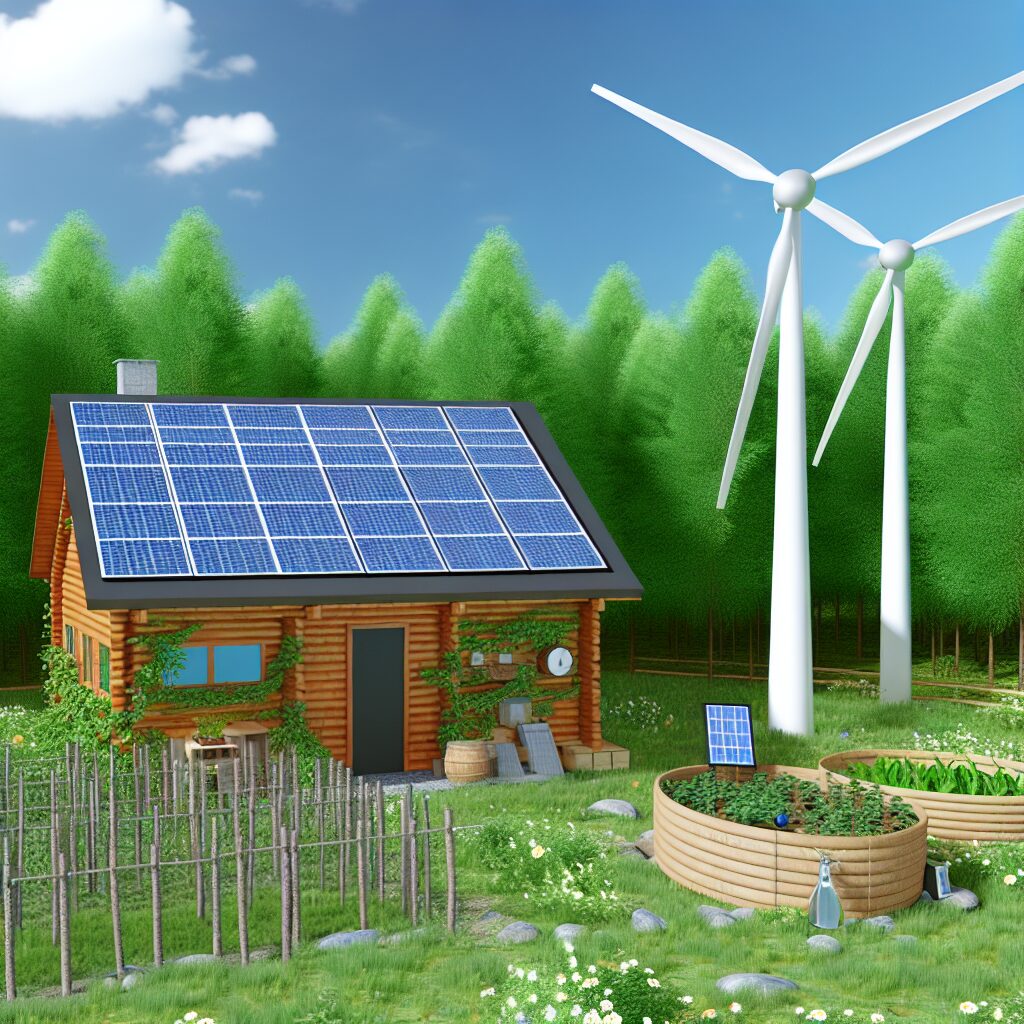
Living Off the Grid: A Comprehensive Guide to Energy Self-Sufficiency
The concept of off-grid living has evolved from a fringe lifestyle choice to a practical solution for energy independence. As energy costs rise and environmental concerns grow, more people are exploring ways to disconnect from traditional power grids while maintaining modern comforts.
Understanding Off-Grid Energy Systems
The foundation of off-grid living begins with reliable power generation. Solar panels remain the most common choice, but a comprehensive system typically includes:
- Solar panel arrays sized to meet daily energy needs
- Battery storage systems for nighttime and cloudy days
- Backup generators for emergency situations
- Charge controllers and inverters
Essential Components for Success
Creating a sustainable off-grid system requires careful planning and integration of several key elements:
- Energy audit to determine actual power requirements
- Professional system design and installation
- Regular maintenance schedule
- Energy-efficient appliances and lighting
- Smart energy management practices
Cost Considerations and ROI
While initial setup costs can be substantial, ranging from $30,000 to $100,000 depending on system size, the long-term benefits often justify the investment:
- Elimination of monthly utility bills
- Protection from power outages
- Increased property value
- Potential tax incentives and rebates
Practical Tips for Getting Started
Begin your off-grid journey with these essential steps:
- Start with a detailed energy consumption analysis
- Consult with experienced off-grid system designers
- Research local building codes and permits
- Implement energy conservation measures
- Plan for system expansion and upgrades
Common Challenges and Solutions
Off-grid living presents unique challenges that require careful consideration:
- Weather dependency – solved through proper battery storage
- System maintenance – addressed with regular professional service
- Initial costs – mitigated through phased implementation
- Technical complexity – simplified with professional support
Living off the grid requires commitment and careful planning, but the rewards of energy independence and environmental stewardship make it an increasingly attractive option for many homeowners. With proper research, professional guidance, and realistic expectations, achieving energy independence is within reach.
Analyzed and outlined by Claude-3.5, images by DALL·E 3.
Source
Interested in becoming energy independent? Check out this ‘ultimate’ guide to off-grid living