
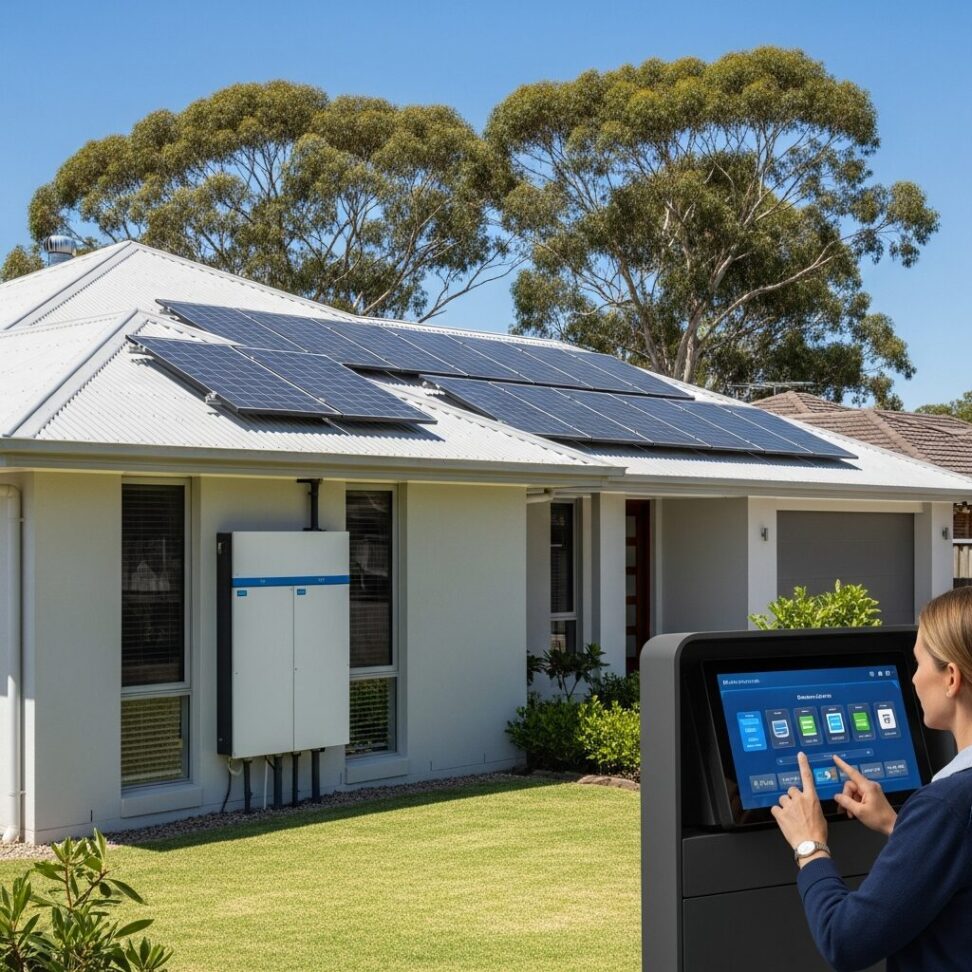
Essential Guide to Home Battery Systems for Families
Households are increasingly turning to home battery systems as energy costs continue to rise and solar panel installations become more common. Understanding how these systems work and their benefits can help families make informed decisions about their energy future.
Understanding Home Battery Technology
Home battery systems store excess electricity generated by solar panels during the day for use during evening hours or peak demand periods. These systems have become more accessible and affordable in recent years, making them a viable option for many families looking to reduce their dependence on the grid.
The technology works by converting and storing direct current (DC) electricity from solar panels into a form that can be used when the sun isn’t shining. When your household needs power, the battery releases stored energy, potentially eliminating the need to draw electricity from the grid during expensive peak periods.
Financial Considerations
The initial investment in a home battery system typically ranges from several thousand to over ten thousand dollars, depending on the capacity and brand selected. However, families should consider the long-term savings potential when evaluating this cost.
Several factors influence the return on investment:
- Current electricity rates in your area
- Your household’s energy consumption patterns
- The size of your solar panel system
- Available government rebates and incentives
- Feed-in tariff rates offered by energy retailers
Many states and territories offer financial incentives to encourage battery adoption. These programs can significantly reduce upfront costs and improve the payback period for your investment.
Choosing the Right System Size
Selecting an appropriately sized battery system is critical for optimizing your investment. A system that’s too small won’t store enough energy to meet your evening needs, while an oversized system may never reach full capacity, wasting your investment.
Most homes benefit from battery systems ranging from 10 to 15 kilowatt-hours of storage capacity. Families should analyze their evening and morning electricity usage patterns to determine their ideal capacity. Working with a qualified solar installer can help ensure you select the right size for your specific needs.
Installation and Maintenance Requirements
Professional installation is essential for home battery systems. Qualified electricians ensure the system integrates properly with your existing solar panels and household electrical system while meeting all safety standards and building codes.
Maintenance requirements for modern battery systems are minimal but important. Most systems require periodic inspections to ensure connections remain secure and the battery operates within optimal temperature ranges. Many newer models include monitoring systems that alert homeowners to potential issues before they become serious problems.
Environmental Benefits
Beyond financial savings, home battery systems offer environmental advantages that appeal to eco-conscious families. By storing and using solar energy instead of drawing from the grid during peak times, households reduce their reliance on fossil fuel-based power generation.
This shift helps decrease overall carbon emissions and supports renewable energy transition. Families with battery systems effectively become part of a distributed energy network, contributing to grid stability and reducing the need for expensive infrastructure upgrades.
Future-Proofing Your Home
As we move toward a more decentralized energy future, homes equipped with battery systems are better positioned for upcoming changes. Virtual power plant programs are emerging across the country, allowing battery owners to participate in energy trading schemes that can generate additional income.
These programs connect multiple home battery systems to create a network that can supply power back to the grid during high-demand periods. Participants receive compensation while helping stabilize the broader electricity network.
Key Considerations Before Purchase
Before investing in a home battery system, families should evaluate several factors:
- Warranty terms and expected battery lifespan
- Compatibility with existing solar panel systems
- Available floor or wall space for installation
- Local climate conditions and temperature ranges
- Household electricity usage patterns throughout the day
Taking time to research different brands, read customer reviews, and obtain multiple quotes from reputable installers will help ensure you select a system that meets your family’s needs and budget.
Home battery systems represent a significant but potentially worthwhile investment for families. As technology continues to improve and costs decrease, these systems are becoming an increasingly practical option for households seeking energy independence and long-term savings.
Analyzed and outlined by Claude Sonnet 4.5, images by Gemini Imagen 4.
**Source**
https://www.bignewsnetwork.com/news/278817222/what-every-australian-family-should-know-about-home-battery-systems