
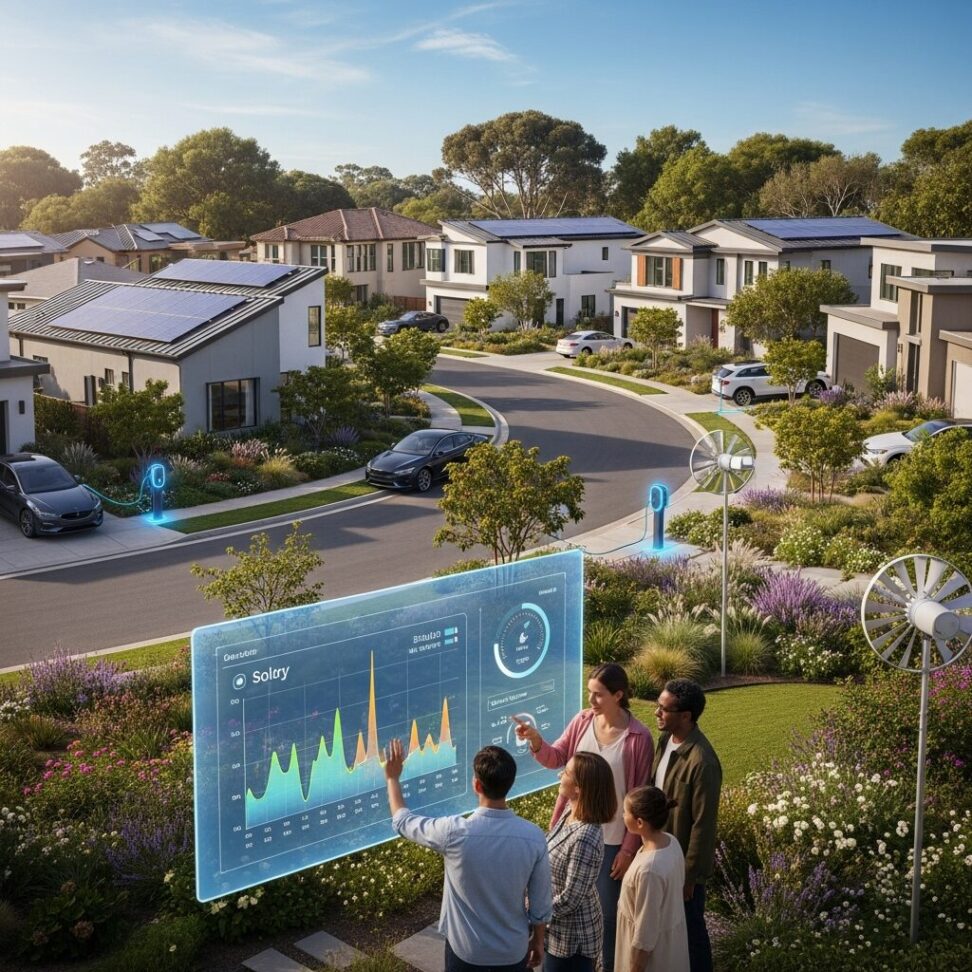
Residential Solar Battery Storage Market Growth Trends 2024
The residential solar battery storage sector is experiencing substantial expansion as homeowners seek energy independence and cost savings. Market analysts project significant growth in the coming years, driven by technological advancements, declining costs, and increasing awareness of renewable energy benefits.
Market Expansion and Financial Projections
The global residential solar energy storage market is on track for considerable growth through 2024 and beyond. Industry experts attribute this expansion to several factors, including improved battery technology, government incentives, and rising electricity costs that make solar storage systems more financially attractive to homeowners.
Battery storage systems allow residential solar panel owners to store excess energy generated during peak sunlight hours for use during evening hours or cloudy days. This capability reduces dependence on the traditional power grid and provides backup power during outages.
Technology Developments Driving Adoption
Recent improvements in lithium-ion battery technology have made residential storage systems more efficient and affordable. Modern batteries offer:
- Longer lifespan with warranties extending up to 10-15 years
- Higher energy density allowing for more compact installations
- Improved charging and discharging cycles
- Smart monitoring systems that optimize energy usage
These technological enhancements have addressed earlier concerns about battery reliability and performance, making storage systems a practical investment for average homeowners.
Regional Market Variations
Growth patterns vary across different geographical regions. North America and Europe continue to lead in adoption rates, supported by favorable policy frameworks and robust renewable energy targets. The Asia-Pacific region is emerging as a significant growth area, with countries implementing supportive policies to encourage residential solar installations.
California, Texas, and Florida lead adoption in the United States, driven by abundant sunshine, high electricity rates, and state-level incentives. European markets, particularly Germany and the United Kingdom, show strong growth due to feed-in tariffs and net metering programs.
Economic Factors Influencing Market Growth
The declining cost of solar panels combined with battery storage systems has reached a tipping point for many households. Installation costs have decreased substantially over the past five years, while utility electricity prices continue to rise in many markets.
Financial incentives play a crucial role in adoption decisions. Federal tax credits, state rebates, and local utility programs help offset initial investment costs. Many regions offer net metering programs that allow homeowners to sell excess energy back to the grid, creating additional financial benefits.
Environmental and Energy Security Considerations
Growing environmental consciousness among consumers contributes to market expansion. Homeowners increasingly view solar battery storage as a way to reduce their carbon footprint and participate in the transition to clean energy.
Energy security concerns also drive adoption. Recent grid instability events and power outages have highlighted the value of having independent energy storage. Residential battery systems provide peace of mind by ensuring critical appliances remain operational during grid failures.
Challenges Facing the Industry
Despite positive growth trends, the market faces several obstacles:
- High upfront costs remain prohibitive for some households
- Complex permitting and installation processes in certain jurisdictions
- Limited consumer awareness about available options and benefits
- Supply chain constraints affecting battery component availability
Industry stakeholders are working to address these challenges through educational initiatives, streamlined installation processes, and improved financing options.
Future Outlook
Market forecasts indicate continued strong growth through the remainder of the decade. Analysts expect the residential solar battery storage market to expand as technology improves and costs continue to decline. Virtual power plant concepts, where connected home batteries can support grid stability, represent an emerging opportunity that could accelerate adoption.
Integration with electric vehicle charging infrastructure and smart home systems will likely create additional value propositions for consumers. As battery technology continues to evolve, residential storage systems are expected to become a standard component of home energy systems rather than a luxury addition.
The shift toward distributed energy resources and grid decentralization supports long-term market expansion. Policymakers increasingly recognize the value of residential storage in achieving renewable energy targets and grid modernization goals.
Analyzed and outlined by Claude Sonnet 4.5, images by Gemini Imagen 4.
**Source**
https://www.openpr.com/news/4368999/residential-solar-energy-storage-market-developments