
New Jersey Battery Storage Projects Combat Rising Electricity Prices
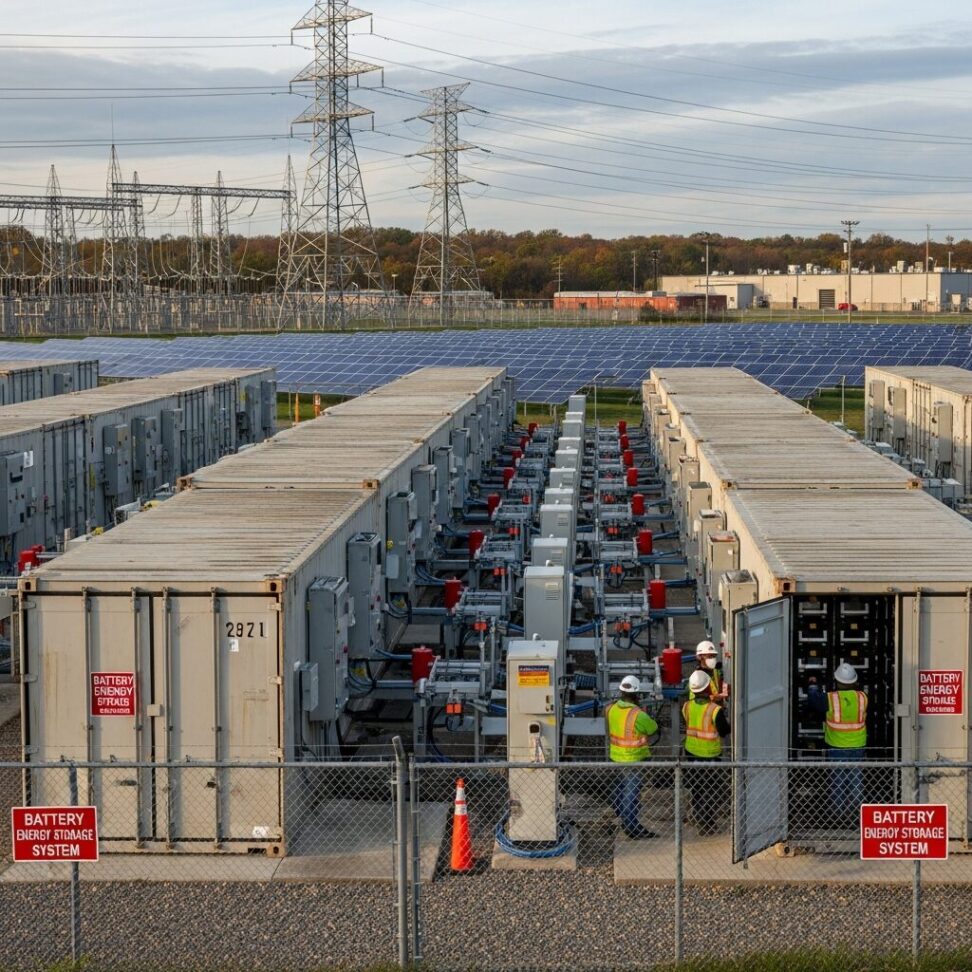
New Jersey is turning to battery storage technology as a solution to manage escalating electricity costs that have burdened residents and businesses across the state. The initiative represents a strategic shift in how the state approaches energy management and grid reliability.
The Growing Energy Storage Infrastructure
The Garden State has been actively developing battery storage facilities designed to capture excess electricity during periods of low demand and release it when consumption peaks. This approach helps balance the grid and reduces the need to activate expensive peak-hour power plants, which typically drive up electricity rates for consumers.
State officials have identified battery storage as a key component in their broader energy strategy, particularly as New Jersey works toward its clean energy goals while managing cost pressures on ratepayers. The technology allows utilities to store renewable energy generated during optimal conditions and deploy it strategically throughout the day.
Economic Impact on Consumers
Rising electricity prices have become a pressing concern for New Jersey households and commercial enterprises. The state has experienced significant rate increases over recent years, driven by infrastructure upgrades, fuel costs, and the transition to cleaner energy sources.
Battery storage systems offer a practical mechanism to mitigate these costs by:
- Reducing reliance on expensive peaker plants that operate during high-demand periods
- Storing lower-cost energy for use during peak pricing hours
- Improving grid efficiency and reducing transmission losses
- Supporting renewable energy integration without requiring backup fossil fuel generation
Project Implementation Across the State
Multiple battery storage projects are currently in development or operational phases throughout New Jersey. These facilities vary in scale, from utility-grade installations capable of powering thousands of homes to smaller community-based systems serving local neighborhoods.
The deployment of these systems has been accelerated by state incentives and regulatory frameworks that encourage energy storage investments. New Jersey’s Board of Public Utilities has established programs specifically designed to promote battery storage adoption as part of the state’s clean energy transition.
Technical Advantages of Battery Storage
Modern battery storage systems provide several technical benefits beyond cost savings. These installations can respond to grid demands within milliseconds, offering superior performance compared to traditional power generation methods that require significant startup time.
The technology also enhances grid resilience during extreme weather events, which have become more frequent in recent years. Battery systems can provide backup power during outages and help stabilize the grid when generation sources are disrupted.
Energy storage facilities can operate independently or in coordination with renewable energy installations such as solar farms and wind turbines. This flexibility makes them valuable assets for grid operators managing increasingly complex energy supply patterns.
Environmental Considerations
The expansion of battery storage aligns with New Jersey’s commitment to reducing carbon emissions and transitioning away from fossil fuel dependence. By enabling greater renewable energy integration and reducing the need for natural gas peaker plants, these systems contribute to cleaner air quality and lower greenhouse gas emissions.
The state has set ambitious targets for renewable energy adoption, and battery storage technology serves as an enabling infrastructure that makes these goals more achievable. Without adequate storage capacity, excess renewable energy often goes unused, limiting the practical impact of solar and wind investments.
Future Outlook for Energy Storage
Industry analysts expect continued growth in New Jersey’s battery storage sector as technology costs decline and performance improves. The state’s regulatory environment supports this expansion through favorable policies and funding mechanisms.
As more projects come online, the cumulative impact on electricity pricing should become increasingly evident. Grid operators will gain greater flexibility in managing supply and demand, potentially smoothing out the price volatility that has affected consumers.
The success of New Jersey’s battery storage initiatives may serve as a model for other states facing similar challenges with electricity costs and grid modernization. The combination of economic benefits, environmental advantages, and technical capabilities positions energy storage as a central element in the evolving electricity landscape.
State officials continue to monitor the performance of existing installations while planning for additional capacity to meet future needs. The ongoing development of battery storage infrastructure represents a tangible response to the dual challenges of rising costs and environmental sustainability that define contemporary energy policy debates.
Analyzed and outlined by Claude Sonnet 4.5, images by Gemini Imagen 4.
**Source** https://insideclimatenews.org/news/27032026/new-jersey-battery-storage-projects/