
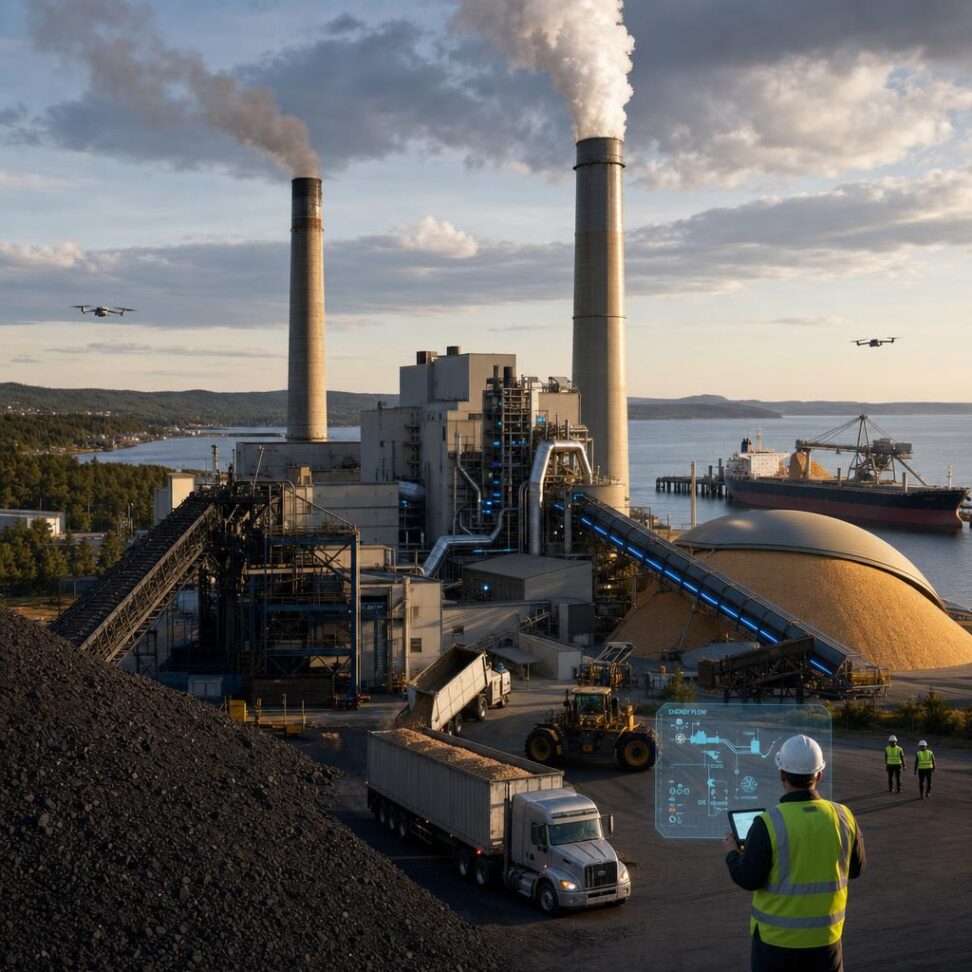
NB Power Converts Coal Plant to Biomass Energy
New Brunswick’s provincial utility is embarking on a significant transformation of its energy infrastructure by converting its coal-fired power station into a biomass facility. This transition represents a strategic shift toward cleaner energy sources while maintaining the province’s electricity generation capacity.
The Belledune Transformation Project
NB Power has announced plans to convert the Belledune generating station from coal to biomass fuel. The facility, located in northern New Brunswick, has been a cornerstone of the province’s electricity generation for decades. Rather than decommissioning the plant entirely, the utility has chosen a path that preserves jobs and infrastructure while reducing carbon emissions.
The conversion project will enable the station to burn wood pellets and other biomass materials instead of coal. This change aligns with growing environmental concerns and Canada’s commitment to phase out traditional coal-fired electricity generation.
About NB Power
NB Power is the primary electric utility serving New Brunswick, Canada. The Crown corporation operates multiple generating stations across the province, including nuclear, hydro, and thermal facilities. The company is responsible for generating and distributing electricity to residential, commercial, and industrial customers throughout New Brunswick.
Environmental and Economic Benefits
The shift from coal to biomass offers several advantages for the region:
- Reduced greenhouse gas emissions compared to coal combustion
- Utilization of renewable fuel sources from forestry operations
- Preservation of existing jobs at the Belledune facility
- Support for New Brunswick’s forestry industry through biomass demand
- Continuation of reliable baseload power generation
Biomass energy is considered carbon-neutral by many experts because the carbon dioxide released during combustion is roughly equivalent to what the plants absorbed during their growth. This makes it a more sustainable option than fossil fuels, though debates continue about the complete lifecycle emissions of biomass energy.
Technical Considerations
Converting a coal plant to biomass requires substantial modifications to the existing infrastructure. The feeding systems, combustion chambers, and emission control equipment must be adapted to handle different fuel characteristics. Wood pellets and other biomass materials have different burning properties than coal, including moisture content, energy density, and ash production.
The engineering work necessary for this conversion will require careful planning and execution to ensure the plant can operate efficiently with its new fuel source. NB Power will need to address storage requirements, fuel handling systems, and supply chain logistics to maintain consistent operation.
Regional Impact
The Belledune area stands to benefit economically from this conversion. The continued operation of the power station ensures employment stability for workers and contractors who depend on the facility. Additionally, the demand for biomass fuel creates opportunities for forestry operations and biomass processing facilities in the region.
New Brunswick’s forestry sector could see increased activity as demand for wood pellets and other biomass products grows. This creates a symbiotic relationship between the energy and forestry industries, potentially strengthening both sectors.
Challenges and Considerations
While the conversion offers numerous benefits, several challenges must be addressed:
- Ensuring a reliable and sustainable supply of biomass fuel
- Managing the cost implications of fuel conversion
- Addressing concerns about forestry practices and sustainability
- Meeting environmental standards and emission targets
- Competing with other biomass energy projects for fuel sources
The success of this project will depend on careful management of these factors and ongoing monitoring of both environmental and economic outcomes.
Looking Forward
This conversion represents part of a broader trend across Canada and other nations to transition away from coal-fired electricity generation. As governments set increasingly stringent climate targets, utilities are seeking alternatives that can provide reliable power while reducing carbon footprints.
The Belledune conversion could serve as a model for other facilities facing similar transitions. By demonstrating the technical and economic feasibility of coal-to-biomass conversions, NB Power may provide valuable insights for other utilities considering similar projects.
The project timeline and specific implementation details will be critical to watch as NB Power moves forward with this transformation. The outcome will likely influence energy policy decisions and infrastructure planning throughout the region and beyond.
Analyzed and outlined by Claude Sonnet 4.5, images by GPT-Image-2_4-21-26.
**Source** https://treefrogcreative.ca/new-brunswicks-nb-power-to-convert-belledune-plant-from-coal-to-biomass/