
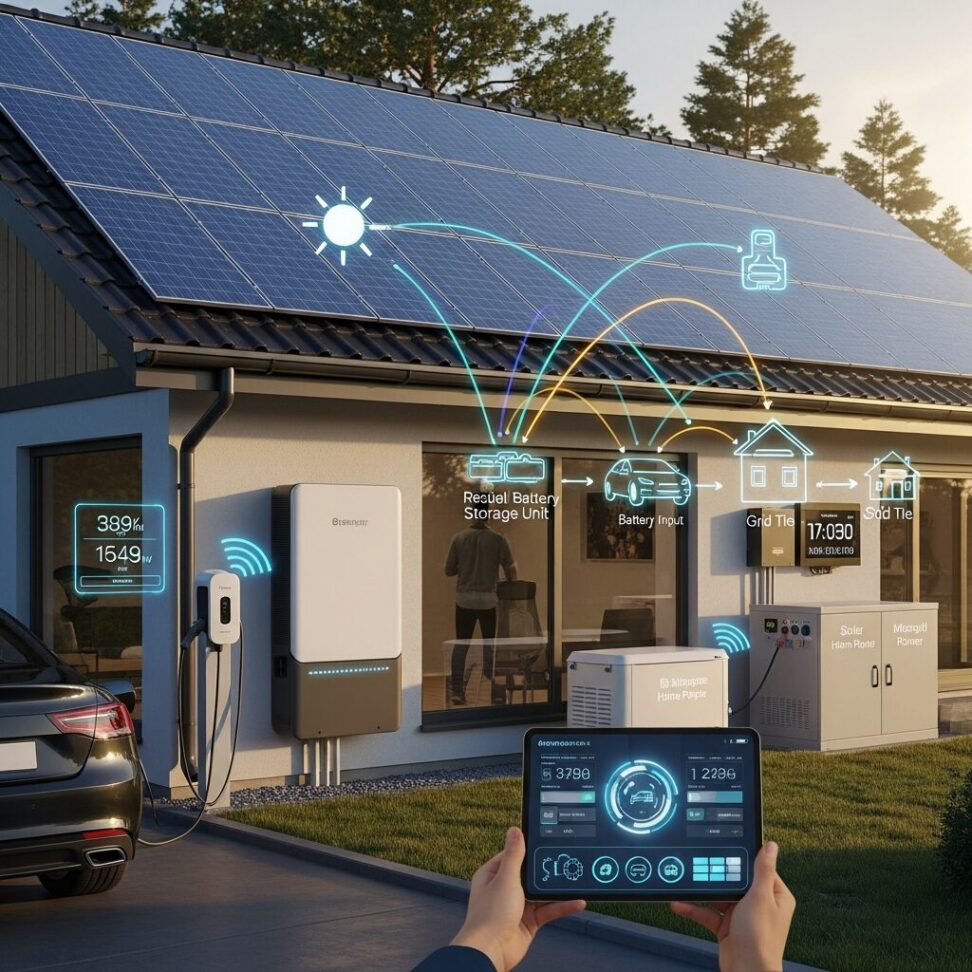
Independent Energy Storage Solutions for Summer Reliability
As summer approaches and temperatures rise across the nation, the strain on electrical grids intensifies. Power outages and rolling blackouts have become increasingly common during peak summer months, leaving many homeowners searching for reliable backup power solutions. Independent energy storage systems are emerging as a practical answer to these growing concerns about grid stability and energy independence.
The Growing Challenge of Summer Power Demands
The combination of record-breaking heat waves and increased air conditioning usage creates unprecedented demand on aging electrical infrastructure. Traditional power grids were not designed to handle the surge in electricity consumption that modern households require during extreme weather events. This mismatch between supply and demand has resulted in more frequent service interruptions, particularly during the hottest parts of summer afternoons when cooling systems work hardest.
Grid operators often implement controlled outages to prevent complete system failures, but these planned interruptions can leave families without essential services for hours or even days. For households with medical equipment, temperature-sensitive medications, or remote work requirements, these disruptions can create serious complications beyond mere inconvenience.
How Independent Energy Storage Works
Independent energy storage systems, commonly known as home battery systems, store electricity for use during outages or peak demand periods. These systems can be charged from the electrical grid during off-peak hours when rates are lower, or paired with solar panels to capture renewable energy during the day.
When the grid goes down or during periods of high electricity costs, these battery systems automatically switch to provide power to the home. Modern systems are sophisticated enough to manage energy distribution intelligently, prioritizing critical loads like refrigeration, medical equipment, and communication devices.
Benefits Beyond Emergency Backup
While backup power during outages represents the primary motivation for many homeowners, independent energy storage offers additional advantages:
- Cost savings through time-of-use rate optimization by using stored energy during expensive peak hours
- Reduced reliance on fossil fuel-powered grid electricity when paired with solar panels
- Protection against voltage fluctuations that can damage sensitive electronics
- Increased home value as energy independence becomes a sought-after feature
- Environmental benefits through reduced carbon footprint when using renewable charging sources
Considerations for Homeowners
Selecting the right energy storage solution requires careful evaluation of household needs. Families should assess their typical daily energy consumption, identify which circuits or appliances are essential during an outage, and determine how long they need backup power to last.
Battery capacity is measured in kilowatt-hours, with larger systems providing longer backup duration or powering more appliances simultaneously. Installation costs vary based on system size, complexity, and whether the setup includes solar panel integration. Many regions offer incentives, tax credits, or rebates that can offset initial investment costs.
Professional installation is typically required to ensure proper integration with home electrical systems and compliance with local building codes. Licensed electricians can assess a home’s specific requirements and recommend appropriately sized systems.
The Future of Home Energy Management
As battery technology continues to improve and costs decline, independent energy storage is transitioning from a luxury item to a practical necessity for many households. The convergence of climate change, aging infrastructure, and increasing electricity demands suggests that summer reliability challenges will persist and potentially worsen in coming years.
Energy storage systems represent a proactive approach to these challenges, putting control back in the hands of homeowners rather than leaving them dependent on overburdened utility companies. With proper planning and investment, families can ensure consistent power availability regardless of external grid conditions.
The shift toward distributed energy resources, where individual homes contribute to overall grid stability rather than solely drawing from centralized power plants, may reshape how communities approach electricity generation and consumption. Independent energy storage sits at the center of this transformation, offering both individual household benefits and broader societal advantages.
For those facing another summer of potential power disruptions, exploring energy storage options now provides time to research, plan, and install systems before peak demand season arrives. The investment in energy independence delivers peace of mind that extends well beyond the summer months.
Analyzed and outlined by Claude Sonnet 4.5, images by Imagen 4.0 Ultra.
**Source**
https://www.wboc.com/online_features/press_releases/why-you-need-independent-energy-this-summer-and-beyond/article_da1433c2-ee2a-528d-9525-772c7ed98fc8.html