
Maritime Provinces Unite on Regional Energy Grid and Renewable Power
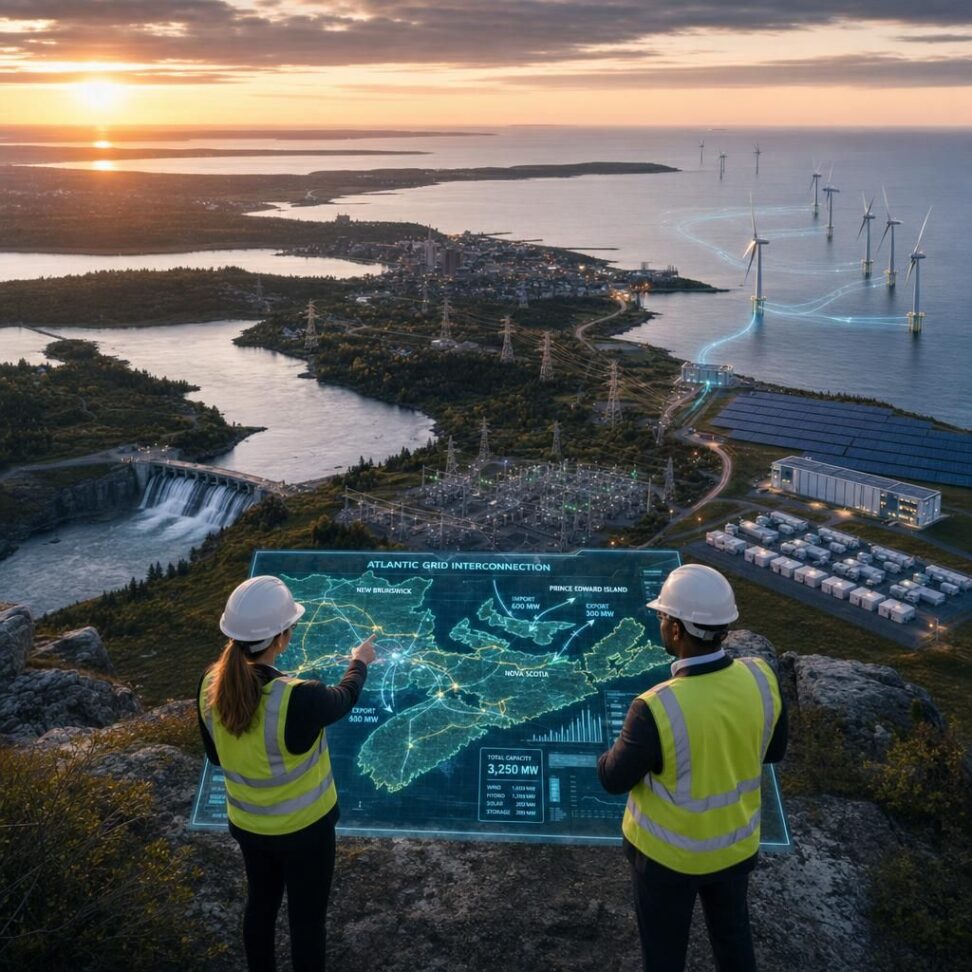
New Brunswick, Nova Scotia, and Prince Edward Island have agreed to work together on building an integrated regional electricity grid and expanding renewable power generation across Atlantic Canada. The three provincial premiers signed the cooperation agreement, signaling a coordinated approach to energy security, affordability, and clean power development in the Maritimes.
A Coordinated Approach to Regional Energy
The agreement focuses on strengthening interprovincial transmission connections, sharing electricity resources, and jointly pursuing renewable energy projects. By linking their grids more effectively, the provinces aim to reduce reliance on fossil fuels, improve reliability, and make better use of renewable resources such as wind and hydroelectric power available across the region.
Maritime leaders have long discussed the benefits of regional cooperation, but rising electricity demand, aging infrastructure, and federal clean energy targets have pushed the provinces toward concrete action. The new pact is expected to accelerate planning for shared transmission lines and cross-border power purchases.
Why Grid Integration Matters
Currently, each Maritime province largely operates its own grid with limited interconnection. This fragmented system restricts the ability to move surplus renewable power from one province to another, particularly when wind generation peaks in one area while demand rises in another. Enhanced grid integration would allow:
- Better balancing of intermittent renewable sources like wind and solar
- Reduced need for backup fossil fuel generation
- Lower electricity costs through shared infrastructure
- Improved reliability during storms and outages
- Easier compliance with federal clean electricity regulations
Renewable Energy Potential in the Maritimes
Atlantic Canada has some of the strongest wind resources in North America, along with tidal energy potential in the Bay of Fundy and existing hydroelectric capacity. Nova Scotia has been working to phase out coal-fired generation by 2030, while New Brunswick continues to operate the Point Lepreau nuclear station alongside a mix of hydro, wind, and thermal plants. Prince Edward Island already generates a significant share of its electricity from wind but relies heavily on imports from New Brunswick.
A more connected grid would help each province leverage its strengths. For example, surplus wind power from PEI could flow to neighboring provinces during high-generation periods, while hydro reserves could support the region when wind output drops.
Federal Support and Clean Electricity Goals
The regional agreement aligns with Ottawa’s push for a net-zero electricity grid by 2035. Federal funding programs, including the Canada Infrastructure Bank and the Smart Renewables and Electrification Pathways Program, have earmarked billions of dollars for transmission upgrades and clean energy projects. The Maritime provinces are expected to seek federal support to help finance new interprovincial transmission lines and renewable generation facilities.
An Atlantic Loop concept, which would connect hydroelectric power from Quebec and Labrador to the Maritimes, has been discussed for years. While the full Atlantic Loop project has faced delays and cost concerns, the new provincial agreement suggests a scaled-down, regionally foc