
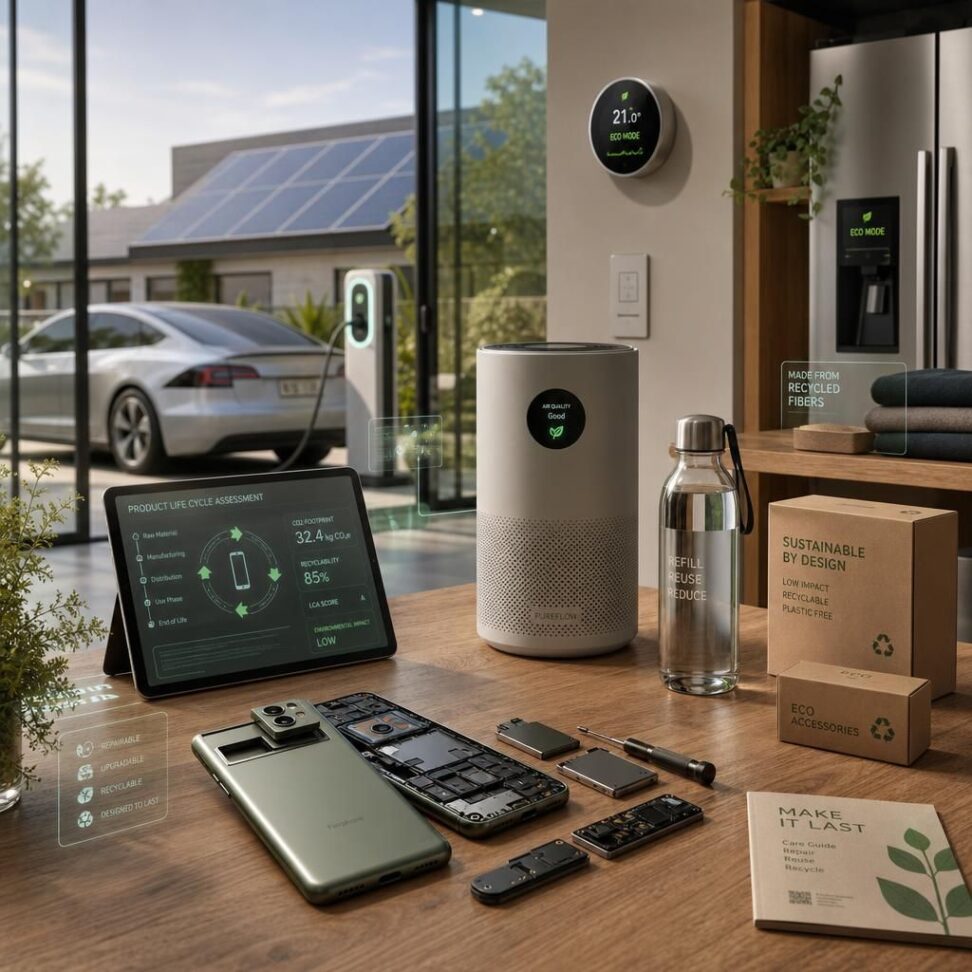
What Sustainable Technology Really Means for Consumer Products
The conversation around sustainability has shifted from marketing buzzword to measurable action. As consumers grow more discerning about the products they bring into their homes, sustainable technology has emerged as a defining factor in purchasing decisions. But what does it actually mean when a consumer product claims to be sustainable, and how can shoppers separate genuine innovation from greenwashing?
Defining Sustainable Technology in Everyday Products
Sustainable technology refers to products designed with environmental responsibility at every stage of their lifecycle. This includes the sourcing of raw materials, manufacturing processes, energy consumption during use, and end-of-life recyclability. A truly sustainable product minimizes its carbon footprint while delivering long-term value to the user.
The concept extends beyond simply using recycled materials. It encompasses energy efficiency, product longevity, repairability, and the ability to be reintegrated into the material cycle once its useful life ends. Companies leading in this space are rethinking design principles from the ground up rather than retrofitting existing products with eco-friendly labels.
The Role of Renewable Energy in Product Manufacturing
One of the most significant developments in sustainable consumer technology is the integration of renewable energy into manufacturing operations. Solar, wind, and hydroelectric power are increasingly powering the factories that produce everything from air purifiers to household electronics. This shift dramatically reduces the embedded carbon in each product before it ever reaches a consumer.
Manufacturers investing in renewable energy infrastructure are also better positioned to achieve carbon neutrality certifications, which are becoming a key differentiator in competitive markets. When a product carries a verified carbon-neutral claim, it signals that the company has measured, reduced, and offset the emissions associated with that item.
IQAir and the Push for Cleaner Indoor Environments
IQAir, a Swiss-based air quality technology company founded in 1963, has become a notable voice in the sustainable consumer products conversation. The company specializes in air purification systems and air quality monitoring, providing solutions for homes, hospitals, and businesses worldwide. IQAir has positioned itself at the intersection of health and sustainability by developing products designed for durability, filter longevity, and energy efficiency.
The company emphasizes that sustainable technology in consumer products must serve dual purposes: protecting the environment and improving human wellbeing. Indoor air quality is a prime example, as cleaner indoor environments reduce reliance on energy-intensive HVAC adjustments while directly benefiting occupant health.
Key Features of Genuinely Sustainable Products
When evaluating whether a consumer product truly embodies sustainable technology, several characteristics stand out:
- Energy efficiency during operation, reducing ongoing electricity consumption
- Modular design that allows for easy repair and part replacement
- Use of recycled or responsibly sourced materials in construction
- Third-party certifications verifying environmental claims
- Long product lifespan that reduces replacement frequency
- Recyclable components at end of life
- Transparent supply chain documentation