
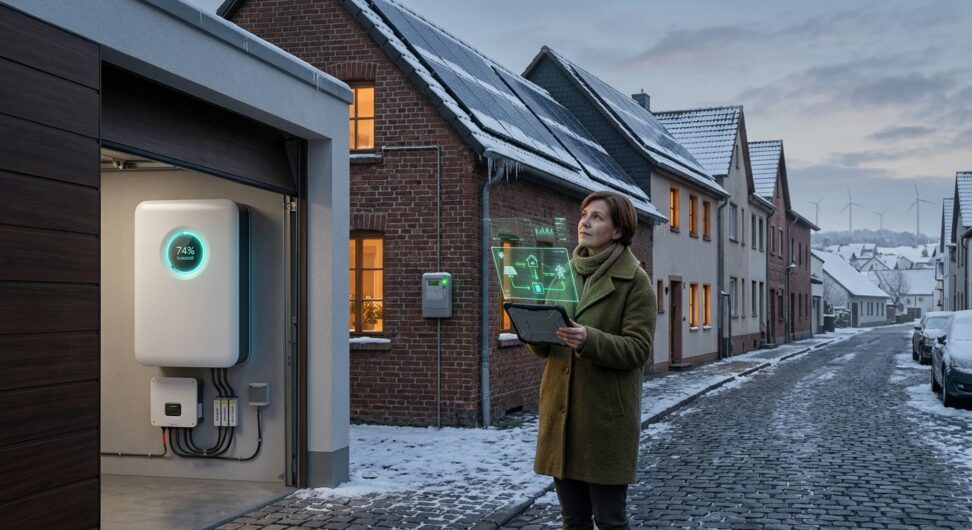
European Households Rush Solar Panels Winter Energy Independence
Across Europe, homeowners are installing solar panel systems at a pace rarely seen before, driven by a combination of rising electricity bills, geopolitical uncertainty around energy supplies, and a growing desire to reduce dependence on national grids. As winter approaches, the trend has intensified, with many households viewing solar installations paired with battery storage as a practical hedge against unpredictable energy costs.
Why Households Are Turning to Solar
The push toward residential solar adoption stems largely from the lingering effects of Europe’s energy crisis, which began with disruptions to natural gas supplies. Even as wholesale prices have stabilized compared to their peak, many consumers remain wary of future price spikes, particularly during the winter months when heating demand surges.
Homeowners are increasingly viewing solar panels not just as an environmental choice but as a financial strategy. Combined with battery storage systems, solar setups allow households to store excess energy generated during daylight hours and use it during peak evening demand or on overcast winter days, reducing reliance on the grid when electricity prices are highest.
Battery Storage Becomes the Key Addition
While solar panels alone have long been popular in sunnier climates, the addition of home battery storage is what has transformed the market. Batteries allow households to capture energy even when sunlight is limited, addressing one of the main criticisms of solar power in northern European countries where winter daylight hours are short.
This shift has been particularly notable in countries such as Germany, the Netherlands, and the United Kingdom, where battery attachment rates to new solar installations have climbed significantly. Homeowners are willing to pay the additional upfront cost for batteries because the long-term savings, combined with energy security, outweigh the initial investment.
Government Incentives Fuel Adoption
Several European governments have rolled out incentive programs to encourage the shift toward residential renewable energy. These include:
- Tax rebates for solar panel and battery installations
- Reduced VAT rates on solar equipment in select countries
- Feed-in tariffs that allow households to sell excess energy back to the grid
- Low-interest financing options for homeowners installing renewable energy systems
These policies have made solar installations more financially accessible to middle-income households, who previously may have viewed the technology as too expensive or complex to justify.
Installers and Manufacturers See Surging Demand
Solar panel installers and manufacturers across the continent have reported a sharp uptick in orders, with some companies citing waitlists extending several weeks due to the volume of installation requests. This demand surge has placed pressure on supply chains, though the industry has largely adapted by scaling up production and training additional technicians to handle installations.
The residential solar sector has also benefited from falling equipment costs over the past several years, as panel efficiency has improved while manufacturing costs have declined. This has made solar more accessible even without government subsidies in some markets, further accelerating adoption rates.
Energy Independence as a Long-Term Goal
Beyond immediate cost savings, many European households are motivated by a broader desire for energy independence. The experience of volatile energy markets in recent years has prompted consumers to reconsider their reliance on centralized power grids and imported fuel sources.
For many, solar panels paired with battery storage represent a step toward greater self-sufficiency, reducing exposure to future price shocks or supply disruptions. This mindset shift has been particularly pronounced among homeowners who experienced sudden spikes in their energy bills, prompting them to seek more predictable and controllable energy sources.
Challenges Remain Despite Growth
Despite the positive momentum, challenges persist for widespread solar adoption across Europe. Installation costs, while decreasing, still represent a significant upfront investment for many households. Additionally, older housing stock in parts of Europe, particularly in urban areas with historic buildings, can complicate panel installation due to structural or regulatory restrictions.
Grid connection delays have also been reported in some regions, as utility companies work to process the increased volume of residential solar connections. This has led to calls for streamlined permitting processes and expanded grid infrastructure investment to keep pace with consumer demand.
Looking Ahead
As winter deepens and energy bills typically rise, the trend toward residential solar adoption is expected to continue. Industry analysts suggest that battery storage attachment rates will keep climbing as more households recognize the value of stored energy during low-sunlight periods.
The combination of government incentives, falling technology costs, and heightened consumer awareness around energy security suggests that this shift toward household solar independence may represent a lasting change in how European consumers approach their energy needs, rather than a temporary response to short-term price pressures.
For many families across the continent, the decision to install solar panels and battery storage has become less about following a trend and more about securing a stable, predictable energy future regardless of what external market forces may bring.
Analyzed and outlined by Claude Sonnet 5, images by Gemini 3.1 Flash
**Source**
https://ca.news.yahoo.com/why-european-households-rushing-buy-060359904.html