
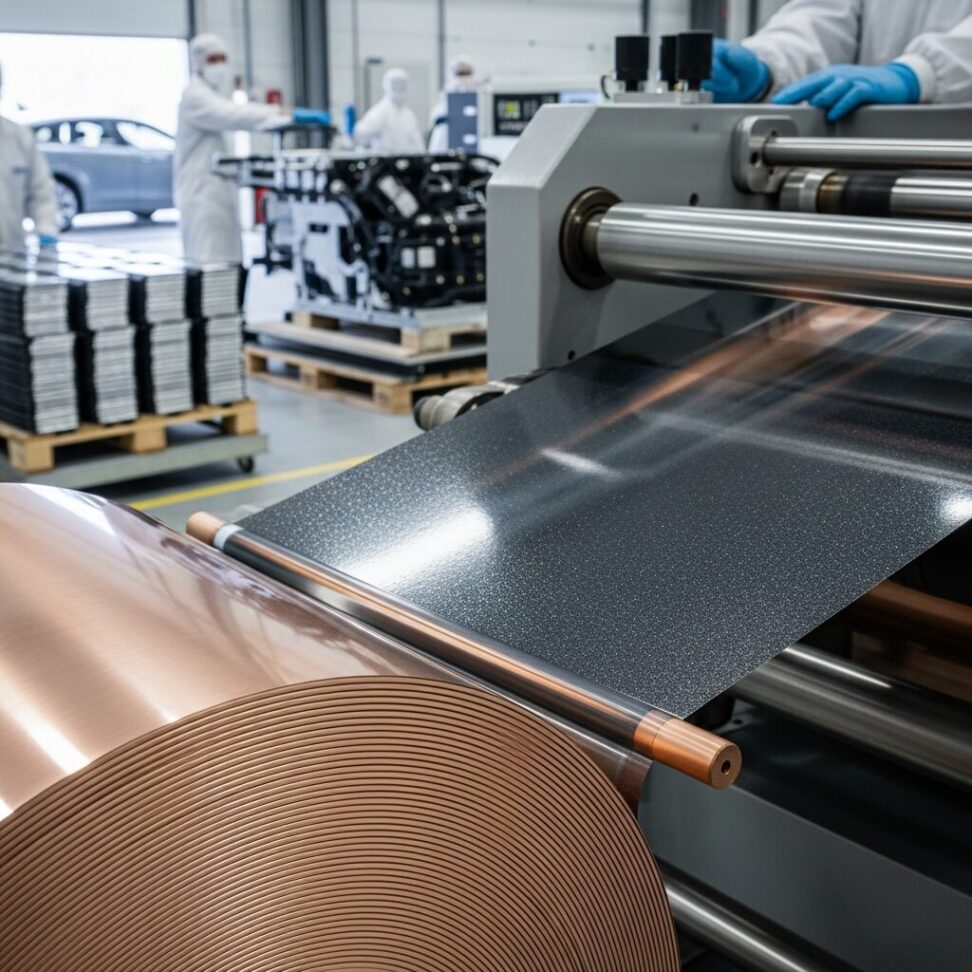
Anode Foil Coatings Drive Energy Storage Solutions Through 2035
The energy storage sector is experiencing significant growth, with anode foil coatings emerging as a critical component in battery manufacturing. Market analysis indicates this segment will expand considerably through 2035, driven primarily by the electric vehicle industry’s accelerating demand for high-performance batteries.
Market Growth Trajectory
The global market for anode foil coatings is projected to reach substantial volumes by 2035. Industry data shows the sector is positioned for steady expansion as manufacturers seek to improve battery efficiency and longevity. This growth pattern reflects broader trends in energy storage technology, where material innovations play an essential role in meeting performance requirements.
The coating materials applied to anode foils serve a vital function in lithium-ion batteries. These coatings enhance electrical conductivity, prevent corrosion, and improve the overall stability of battery systems. As electric vehicles become more prevalent worldwide, the demand for these specialized materials continues to climb.
Electric Vehicle Impact
Electric vehicle production represents the primary driver behind anode foil coating demand. Automakers are transitioning their fleets toward electrification, requiring massive quantities of battery cells. Each battery pack contains multiple cells, and each cell requires precisely engineered anode foils with appropriate coatings.
The automotive industry’s shift toward electrification is not limited to passenger vehicles. Commercial trucks, buses, and specialty vehicles are also adopting electric powertrains, multiplying the need for battery components. This diversification across vehicle categories ensures sustained demand for anode foil coatings throughout the forecast period.
Regional Market Dynamics
Geographic distribution of anode foil coating production and consumption varies significantly. Asia-Pacific regions maintain a dominant position in battery manufacturing, with substantial production facilities concentrated in countries with established electronics and automotive industries. This regional strength stems from integrated supply chains and proximity to end-use markets.
North America and Europe are expanding their domestic battery production capabilities to reduce reliance on imported battery components. Government policies supporting local manufacturing are stimulating investment in coating facilities and related infrastructure. These developments are reshaping global supply chain patterns and creating new market opportunities.
Technical Advancements
Coating technology continues to evolve as researchers develop new formulations and application methods. Current developments focus on several key areas:
- Improved adhesion properties that enhance coating durability during battery cycling
- Thinner coating layers that reduce material costs while maintaining performance
- Alternative coating materials that offer better thermal stability
- Application techniques that increase manufacturing throughput
These technical improvements contribute to better battery performance metrics, including energy density, charge rates, and cycle life. As coating technology advances, battery manufacturers can produce cells that meet increasingly stringent performance specifications.
Supply Chain Considerations
The anode foil coating industry faces several supply chain challenges that could affect growth trajectories. Raw material availability remains a concern, particularly for specialized chemicals used in coating formulations. Manufacturers are working to secure long-term supply agreements and develop alternative materials to mitigate potential disruptions.
Production capacity expansion requires significant capital investment in specialized equipment and clean room facilities. Companies entering this market must navigate technical requirements, quality control standards, and certification processes that ensure their products meet industry specifications.
Market Outlook
Industry analysts expect demand for anode foil coatings to maintain an upward trajectory through 2035. Several factors support this outlook:
- Continuing electric vehicle adoption across global markets
- Energy storage system deployment for renewable energy integration
- Consumer electronics requiring higher capacity batteries
- Industrial applications adopting lithium-ion battery technology
The convergence of these demand drivers creates a stable foundation for market growth. While short-term fluctuations may occur due to economic conditions or supply chain disruptions, the long-term trend points toward sustained expansion.
Battery technology development will continue influencing the anode foil coating market. Next-generation battery chemistries may require different coating materials or application methods, creating opportunities for innovation and market repositioning. Companies that adapt to evolving technical requirements will be well-positioned to capture market share in this growing sector.
The period through 2035 represents a critical phase for energy storage infrastructure development globally. Anode foil coatings, though a specialized component, play an essential role in enabling the battery performance levels required for widespread electric vehicle adoption and grid-scale energy storage deployment.
Analyzed and outlined by Claude Sonnet 4.5, images by Imagen 4.0 Ultra.
**Source**
https://www.indexbox.io/blog/anode-foil-coatings-market-forecast-points-higher-toward-2035-on-ev-battery-demand/