
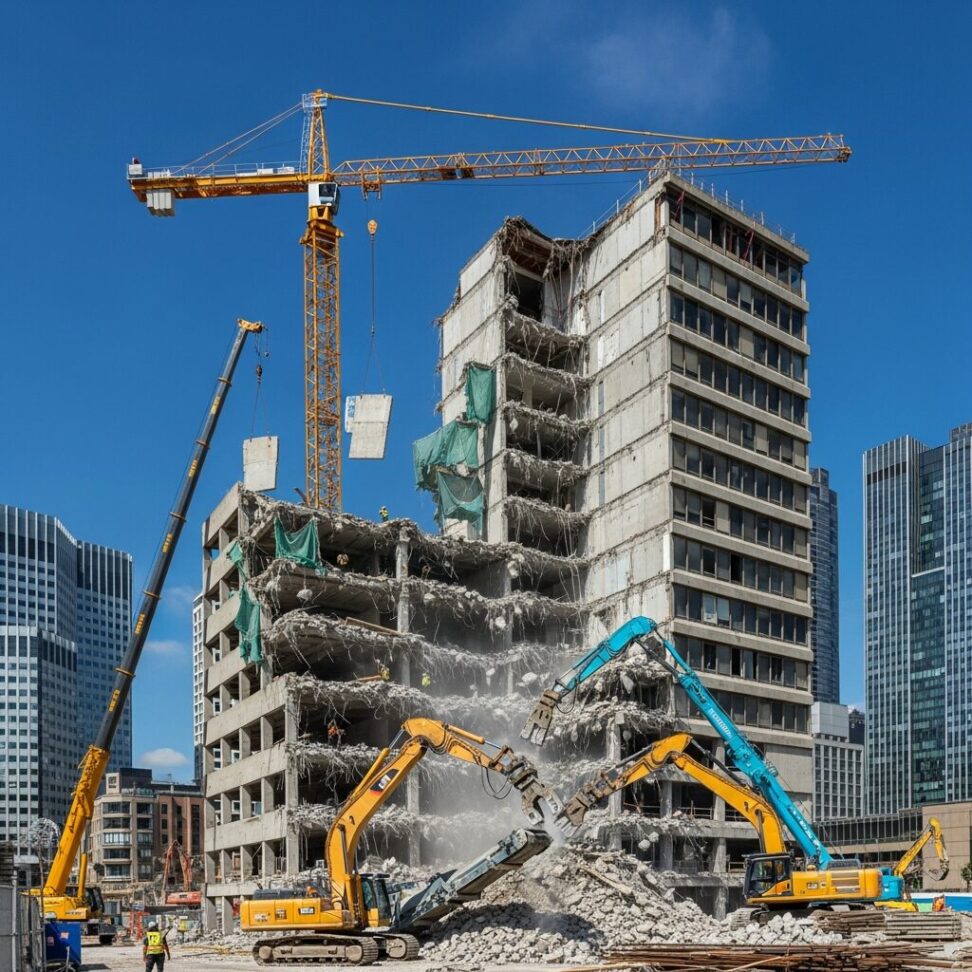
B.C.’s Largest Deconstruction Project Revolutionizes Sustainable Building Practices
The construction industry is witnessing a significant shift in how buildings reach the end of their lifecycle. Rather than traditional demolition methods that send materials to landfills, deconstruction offers a sustainable alternative that prioritizes material recovery and reuse. British Columbia is now home to the province’s largest deconstruction project, setting new standards for environmentally conscious building practices.
A Landmark Project in Sustainable Development
The project involves the careful dismantling of a 50,000 square foot building in Vancouver. This undertaking represents the largest deconstruction effort ever attempted in British Columbia, demonstrating the viability of sustainable demolition practices at scale. The building is being systematically taken apart piece by piece, with crews carefully removing and sorting materials for future use.
Nickel Brothers, a company specializing in building relocation and deconstruction services, is leading this groundbreaking effort. The company has built a reputation for preserving architectural heritage and promoting sustainable building practices through their innovative approach to structure moving and material salvage operations.
The Environmental Impact of Deconstruction
Traditional demolition typically involves heavy machinery that tears down structures quickly, resulting in mixed debris that ends up in landfills. Deconstruction takes a different approach, focusing on selective dismantling that preserves materials for reuse. This method significantly reduces construction waste and the environmental footprint associated with building removal.
The environmental benefits of this approach include:
- Reduction of landfill waste by salvaging usable materials
- Lower carbon emissions compared to manufacturing new building materials
- Conservation of natural resources through material reuse
- Creation of jobs in the sustainable building sector
Materials Recovery and Reuse
The deconstruction process allows for the recovery of valuable building materials that would otherwise be lost. Wood framing, fixtures, windows, doors, and other components are carefully removed and assessed for their condition. High-quality materials can be directly reused in new construction projects, while others may be recycled or repurposed.
This systematic approach to material recovery has economic benefits as well. Salvaged materials can be sold or donated, offsetting some of the costs associated with the labor-intensive deconstruction process. Organizations focused on affordable housing and community projects often benefit from access to these reclaimed materials.
Challenges and Considerations
While deconstruction offers numerous benefits, it also presents unique challenges. The process requires more time than conventional demolition, as workers must carefully dismantle structures while preserving materials. This labor-intensive approach demands skilled workers who understand building systems and material handling.
Project planning must account for additional time requirements, which can affect development schedules. However, many developers and property owners are finding that the environmental and social benefits justify the extended timeline. Local governments are increasingly supporting deconstruction through policy incentives and regulatory frameworks that encourage waste reduction.
Setting a Precedent for Future Projects
The success of British Columbia’s largest deconstruction project could influence how future building removals are approached throughout the province and beyond. As awareness grows about the environmental impact of construction waste, more stakeholders are likely to consider deconstruction as a viable alternative to traditional demolition.
This project serves as a case study for other jurisdictions looking to implement sustainable building practices. The lessons learned from managing a project of this scale will inform best practices and help refine deconstruction techniques for future applications.
The Future of Sustainable Building Practices
As climate change concerns continue to drive innovation in the construction sector, deconstruction represents one tool in the broader effort to reduce environmental impact. The building industry accounts for a substantial portion of global waste production, making waste reduction strategies increasingly important.
British Columbia’s commitment to sustainable development is evident in projects like this one. By demonstrating that large-scale deconstruction is both feasible and beneficial, the province is positioning itself as a leader in green building practices. This approach aligns with broader sustainability goals and contributes to the transition toward a circular economy where materials are continually reused rather than discarded.
The success of this landmark project will likely encourage more property owners and developers to consider deconstruction when planning building removals, ultimately contributing to a more sustainable built environment.
Analyzed and outlined by Claude Sonnet 4.5, images by Gemini Imagen 4.
**Source**
https://ca.news.yahoo.com/largest-deconstruction-project-b-c-045122860.html