
Canada Strengthens Clean Energy and Critical Minerals Alliances Internationally
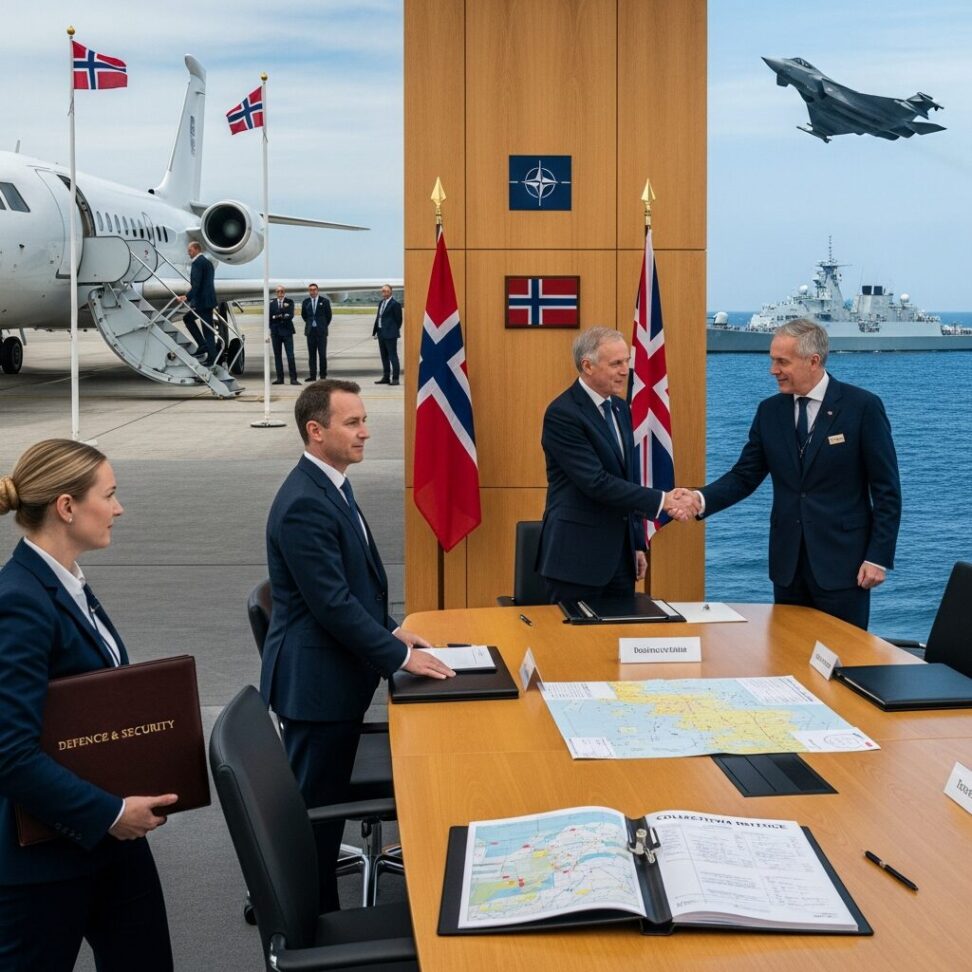
Canada is taking significant steps to solidify its position in the global clean energy transition and critical minerals supply chain. Prime Minister Mark Carney’s recent diplomatic mission to Norway and the United Kingdom underscores the country’s commitment to building strategic partnerships that will shape the future of sustainable energy development.
Strategic Diplomatic Mission to European Partners
The Prime Minister’s visit to both Norway and the United Kingdom represents a calculated effort to strengthen ties with nations that share Canada’s vision for a cleaner energy future. These bilateral discussions focus on expanding cooperation in areas that extend beyond traditional diplomatic channels, with particular emphasis on economic opportunities arising from the global shift toward renewable energy sources.
The timing of these high-level meetings reflects the urgent need for allied nations to coordinate their approach to energy security and supply chain resilience. As countries worldwide seek to reduce their dependence on fossil fuels and transition to cleaner alternatives, the demand for critical minerals and collaborative frameworks has intensified.
Critical Minerals Take Center Stage
Canada’s vast reserves of critical minerals position the country as a key player in the global energy transition. These minerals, essential for manufacturing batteries, solar panels, wind turbines, and other clean energy technologies, have become increasingly valuable as nations race to meet climate targets and secure their energy independence.
The discussions during this diplomatic visit address several key areas:
- Development of sustainable mining practices for critical mineral extraction
- Creation of reliable supply chains that bypass geopolitical risks
- Investment opportunities in processing and refining capabilities
- Technology sharing for improved extraction and processing methods
- Environmental standards that ensure responsible resource development
Norway Partnership Opportunities
Norway brings unique expertise to this partnership, particularly in offshore renewable energy and sustainable resource management. The Scandinavian nation has successfully balanced its traditional energy sector with aggressive clean energy development, making it an ideal partner for Canada as both countries navigate similar transitions.
The collaboration between Canada and Norway could yield significant benefits in areas such as hydrogen production, offshore wind development, and carbon capture technologies. Both nations have committed to ambitious climate goals and possess the natural resources and technological capabilities to become leaders in the clean energy economy.
United Kingdom Collaboration
The United Kingdom component of this diplomatic mission focuses on strengthening existing trade relationships while exploring new opportunities in the clean technology sector. The UK has positioned itself as a leader in green finance and renewable energy innovation, making it a valuable partner for Canadian clean energy initiatives.
British investments in Canadian critical mineral projects and clean energy infrastructure could provide the capital needed to accelerate development timelines. Similarly, Canadian resources and expertise can support UK supply chain security and energy transition goals.
Economic Implications for Canada
These international partnerships carry substantial economic potential for Canada. The clean energy transition represents a multi-trillion-dollar global opportunity, and countries that establish themselves as reliable suppliers of critical minerals and clean technologies stand to benefit significantly.
Canadian mining companies, technology firms, and energy developers are likely to see increased international interest and investment as these partnerships develop. The agreements reached during this diplomatic mission could facilitate easier market access, reduced trade barriers, and collaborative research initiatives that benefit all parties involved.
Collective Defense and Security Dimensions
Beyond economic considerations, these partnerships also address collective defense and security concerns. Energy security has become a national security priority for democratic nations, particularly in light of recent global events that have disrupted traditional energy supplies.
By diversifying supply chains and building partnerships with trusted allies, Canada and its partners can reduce vulnerabilities to supply disruptions and geopolitical pressures. This strategic approach to energy and mineral security complements traditional defense partnerships and strengthens overall national resilience.
Looking Ahead
The outcomes of these high-level discussions will likely shape Canada’s role in the global clean energy landscape for years to come. As countries continue to prioritize climate action and energy independence, those with strong international partnerships and abundant natural resources will be best positioned to capitalize on emerging opportunities.
Canada’s proactive approach to building these relationships demonstrates a recognition that the clean energy transition requires international cooperation and coordinated action. The partnerships forged through this diplomatic mission represent building blocks for a more sustainable and secure energy future.
Analyzed and outlined by Claude Sonnet 4.5, images by Gemini Imagen 4.
**Source**