
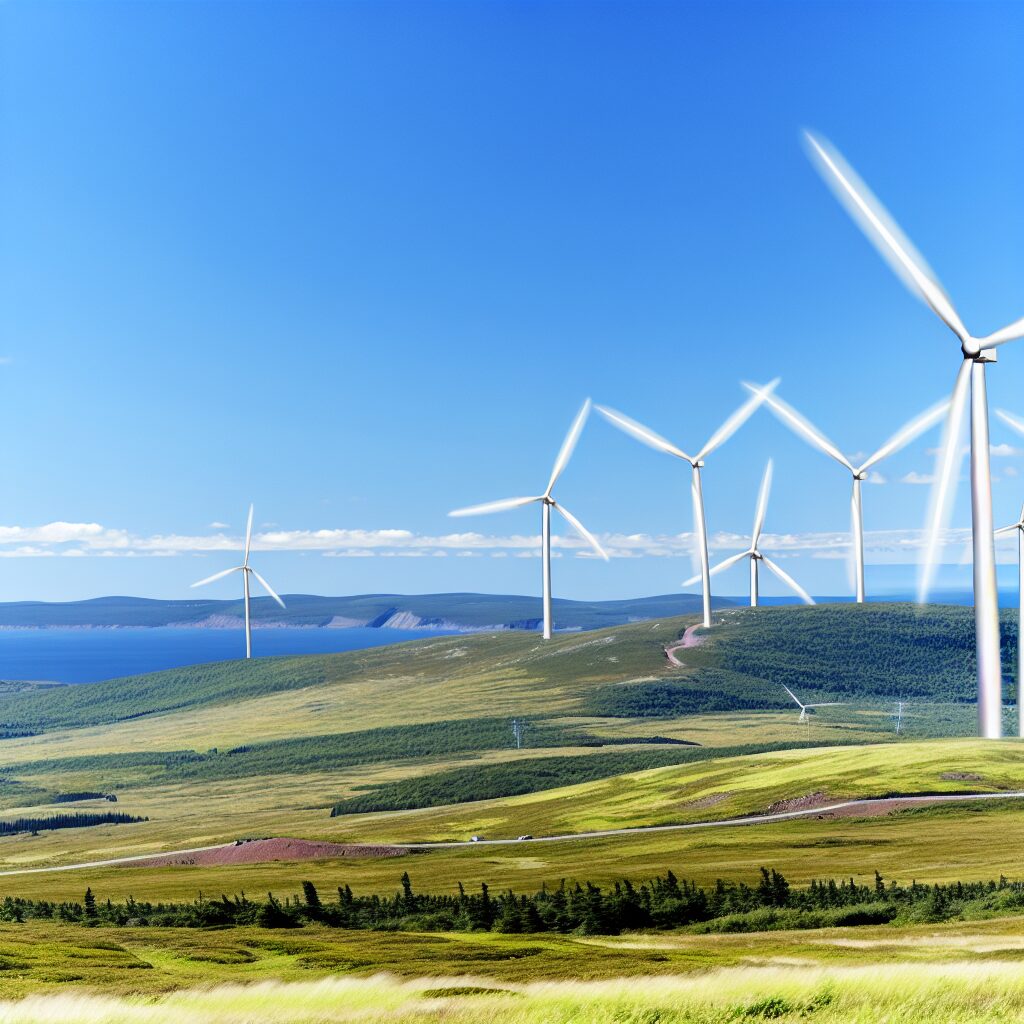
CIB Funds $108.3M Wind Project in Gaspésie–Îles-de-la-Madeleine
The Canada Infrastructure Bank (CIB) has announced a new investment aimed at advancing clean energy initiatives in Quebec. A total of $108.3 million will be allocated to support a wind energy project located in the Gaspésie–Îles-de-la-Madeleine region. This funding aligns with Canada’s wider strategy to promote sustainable infrastructure and reduce carbon emissions through renewable energy sources.
Project Overview
The investment will support the development of Apuiat Wind Farm, a collaborative initiative between Boralex Inc. and the Innu Nation. The project is designed to generate approximately 200 megawatts of renewable energy, contributing significantly to Quebec’s electricity grid. It will also help reduce reliance on fossil fuels while supporting regional economic growth.
- Total funding: $108.3 million from CIB
- Capacity: Approximately 200 MW
- Location: Gaspésie–Îles-de-la-Madeleine, Quebec
- Key partners: Boralex Inc. and the Innu communities
A Step Toward Clean Energy Goals
This wind project supports both federal and provincial climate commitments. By expanding wind power infrastructure, the project contributes to the transition towards net-zero emissions by 2050. It is expected to eliminate thousands of tonnes of greenhouse gas emissions annually once operational, reinforcing the role of renewables in Canada’s energy mix.
Indigenous Collaboration
One notable aspect of this project is the partnership with Innu communities. The Apuiat Wind Farm exemplifies how Indigenous engagement can be a driving force in clean energy development. The collaboration ensures that Indigenous voices play a key role in planning, ownership, and benefit-sharing.
Through this partnership, local communities are directly involved in managing the resources on their lands, enhancing not only environmental sustainability but also economic resilience and self-determination for Indigenous populations.
Economic Impact on the Region
The project is expected to create jobs during both construction and operations, stimulating economic activity in the Gaspésie–Îles-de-la-Madeleine region. The development phase will include opportunities for skilled trades, engineering, project management, and community engagement roles.
Once operational, the wind farm will contribute to the local tax base and generate revenue for community reinvestment. These factors collectively strengthen the long-term economic outlook of the region.
CIB’s Role in Green Infrastructure
The CIB continues to focus its investments on projects that align with Canada’s climate objectives and infrastructure needs. With this financing, the bank underscores its commitment to supporting renewable energy initiatives that offer clear environmental and social benefits.
- Encouraging public-private partnerships
- Accelerating low-carbon infrastructure projects
- Supporting Indigenous-led development initiatives
The wind energy sector remains a high-priority area for the CIB as part of its broader $10 billion Growth Plan, which aims to stimulate economic growth and create sustainable employment across Canada.
Looking Ahead
The Gaspésie–Îles-de-la-Madeleine wind project marks a continued effort by Canadian institutions to integrate sustainability into infrastructure planning. As demand for clean electricity grows, strategic investments like this will play an essential role in ensuring energy security and environmental stewardship.
With construction expected to proceed in the coming months, stakeholders are optimistic about the project’s potential to meet both economic and environmental goals in Eastern Quebec.
Analyzed and outlined by ChatGPT-4o, images by DALL·E 3.
Source
https://www.renewcanada.net/cib-lending-108-3m-for-new-wind-project-in-the-gaspesie-iles-de-la-madeleine-region/