
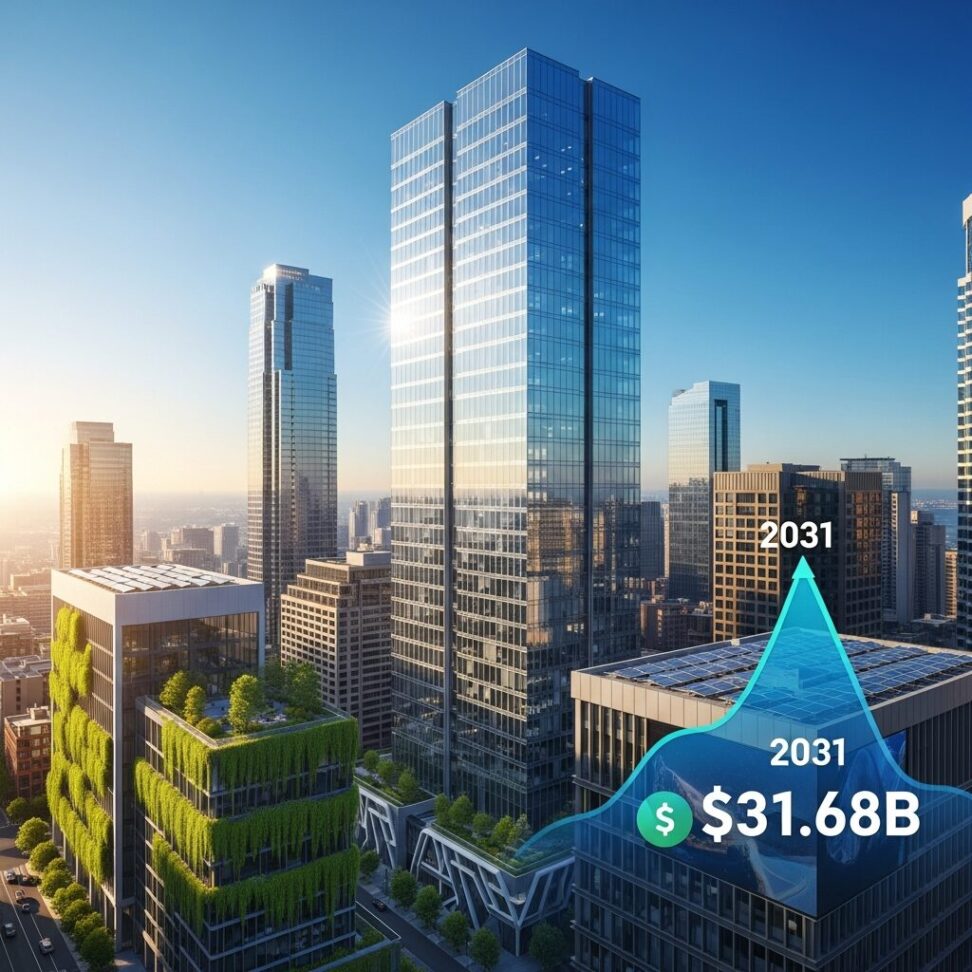
Energy-Efficient Windows Market Growth: $31.68B Opportunity by 2031
The global energy-efficient windows market is positioned for substantial expansion over the coming years, with industry analysts projecting the sector will reach a valuation of $31.68 billion by 2031. This growth trajectory represents a significant opportunity for manufacturers, installers, and stakeholders across the building materials industry.
Market Drivers and Growth Factors
The increasing demand for energy-efficient windows stems from multiple converging factors. Rising energy costs continue to push homeowners and commercial property managers toward solutions that reduce heating and cooling expenses. Building codes and regulations worldwide are becoming stricter regarding energy efficiency standards, making high-performance windows not just a choice but often a requirement for new construction and renovation projects.
Climate change concerns and the push for reduced carbon footprints have also accelerated adoption rates. Energy-efficient windows play a crucial role in meeting sustainability goals by minimizing energy consumption for temperature control. Government incentives and rebate programs in various countries further encourage property owners to invest in these advanced window systems.
Technology and Product Innovation
Modern energy-efficient windows incorporate several advanced technologies that set them apart from traditional products. Low-emissivity (Low-E) coatings reflect infrared light, keeping heat inside during winter and outside during summer. Multiple pane configurations, typically double or triple glazing, create insulating air spaces that reduce thermal transfer.
Gas fills between panes, usually argon or krypton, provide superior insulation compared to regular air. Advanced frame materials, including fiberglass, vinyl, and thermally broken aluminum, contribute to overall window performance by minimizing heat conduction through the frame structure.
Regional Market Dynamics
Different geographic regions show varying adoption patterns based on climate conditions, economic development, and regulatory frameworks. North American markets benefit from established building codes and strong consumer awareness about energy savings. European markets continue to lead in stringent efficiency standards and environmental regulations.
Asia-Pacific regions are experiencing rapid growth driven by urbanization, rising living standards, and increasing construction activity. Emerging economies in these areas present substantial opportunities as they modernize their building infrastructure and adopt international energy efficiency standards.
Market Segmentation
The energy-efficient windows market serves diverse applications across residential and commercial sectors. Residential applications include single-family homes, apartments, and condominiums, where homeowners seek to reduce utility bills and improve comfort. Commercial applications span office buildings, retail spaces, healthcare facilities, and educational institutions.
Product categories include:
- Double-glazed windows
- Triple-glazed windows
- Low-E coated windows
- Gas-filled windows
- Smart windows with dynamic tinting
Challenges and Considerations
Despite positive growth projections, the market faces certain challenges. Higher upfront costs compared to standard windows can deter budget-conscious consumers, even when long-term savings justify the investment. Installation complexity requires skilled labor, and improper installation can compromise performance benefits.
Supply chain disruptions and raw material price volatility can impact production costs and availability. Market education remains important, as some consumers still lack awareness about the full benefits and return on investment that energy-efficient windows provide.
Future Outlook and Opportunities
The path to 2031 suggests continued innovation in window technology. Smart glass with electronically controlled tinting represents an emerging segment. Integration with home automation systems and building management platforms will likely become more common.
Retrofit markets present significant opportunities as existing buildings upgrade their windows to meet modern efficiency standards. The commercial sector, particularly in green building certifications like LEED, will continue driving demand for high-performance window systems.
Manufacturers investing in research and development to improve thermal performance while reducing costs will be well-positioned to capture market share. Partnerships between window manufacturers, construction firms, and energy service providers can create new distribution channels and customer access points.
The projected growth to $31.68 billion reflects both market maturity and expansion potential. As energy efficiency becomes increasingly central to building design and operation, energy-efficient windows will remain a critical component in creating sustainable, comfortable, and cost-effective built environments.
Analyzed and outlined by Claude Sonnet 4.5, images by Gemini Imagen 4.
**Source**
https://www.openpr.com/news/4362537/energy-efficient-window-market-to-reach-us-31-68b-by-2031-cagr