
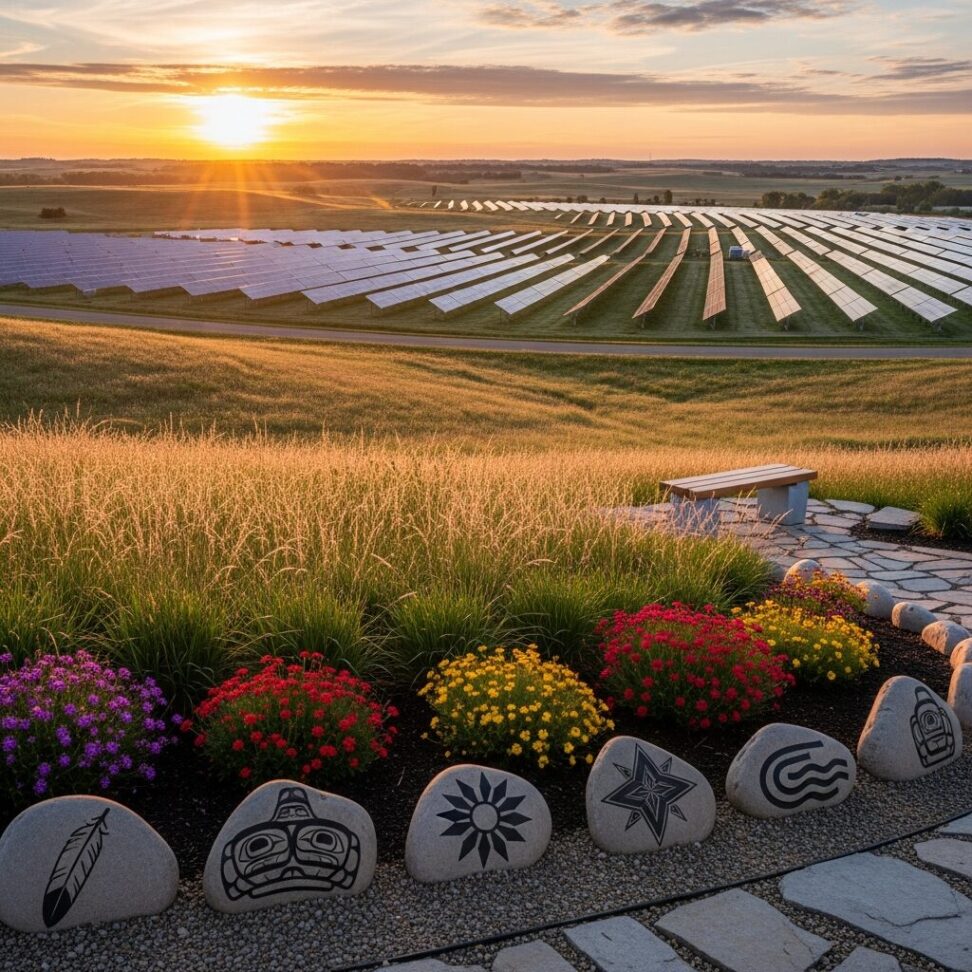
First Nations Secure Stake in Saskatchewan’s Largest Solar Farm
A groundbreaking partnership in Saskatchewan marks a significant step forward for Indigenous participation in renewable energy development. Multiple First Nations have acquired an ownership stake in what will become the province’s largest solar energy facility, representing a shift toward Indigenous-led clean energy initiatives.
Details of the Partnership
The solar farm project involves collaboration between several First Nations communities and private energy developers. This arrangement allows Indigenous communities to move beyond simple consultation roles into positions of actual ownership and decision-making power in major infrastructure projects. The facility is expected to generate substantial clean electricity for the provincial grid while creating economic opportunities for participating communities.
The ownership structure provides First Nations with both immediate and long-term benefits. Revenue generated from electricity sales will flow directly to the communities, creating a sustainable income stream that can support various community programs and initiatives for decades to come.
Project Scale and Capacity
The solar installation will be the largest of its kind in Saskatchewan once completed. The facility is designed to harness solar energy across hundreds of acres, converting sunlight into electricity through thousands of photovoltaic panels. When operational, the farm will contribute meaningfully to Saskatchewan’s renewable energy portfolio and help the province meet its climate targets.
Construction timelines and specific capacity figures demonstrate the project’s ambitious scope. The development represents one of the most substantial investments in solar infrastructure in the province’s history, signaling growing confidence in renewable energy’s viability in Saskatchewan’s climate.
Economic Impact on First Nations Communities
The economic implications for participating First Nations extend well beyond simple revenue sharing. Community members will have opportunities for employment during both construction and operational phases. Training programs associated with the project will help build local expertise in renewable energy technologies, creating skills that transfer to future projects.
Long-term economic benefits include:
- Steady revenue streams from electricity generation
- Job creation in construction, maintenance, and operations
- Capacity building in renewable energy sector skills
- Reduced dependence on external funding sources
- Investment opportunities in additional clean energy projects
These financial benefits give First Nations greater autonomy in addressing community needs, from infrastructure improvements to education and health services.
Environmental and Climate Considerations
The solar farm aligns with broader efforts to transition away from fossil fuel dependence. Saskatchewan has historically relied heavily on coal and natural gas for electricity generation, making projects like this particularly important for reducing provincial emissions. The clean electricity produced will displace power that would otherwise come from carbon-intensive sources.
First Nations communities have emphasized their role as environmental stewards, viewing renewable energy development as consistent with traditional values of land protection and sustainability. The project allows communities to participate in climate action while maintaining connection to their territories.
Precedent for Future Developments
This partnership model could serve as a template for future renewable energy projects across Canada. By demonstrating that Indigenous ownership stakes are both feasible and beneficial, the initiative may encourage similar arrangements in other provinces and territories.
The project addresses historical inequities in resource development, where Indigenous communities often experienced negative impacts from projects on their traditional lands without receiving proportional benefits. This ownership model inverts that dynamic, placing decision-making power and economic benefits directly in the hands of First Nations.
Challenges and Considerations
Despite the positive developments, implementing large-scale solar projects in Saskatchewan presents certain challenges. The province’s northern latitude and seasonal variations in sunlight require careful planning to ensure economic viability. Winter conditions, including snow accumulation and reduced daylight hours, affect year-round electricity generation patterns.
Technical considerations include grid integration, energy storage solutions, and maintenance protocols suited to Saskatchewan’s climate extremes. The project partners have worked to address these factors in their planning and design phases.
Looking Forward
The First Nations solar partnership represents a convergence of economic development, environmental responsibility, and Indigenous self-determination. As the project moves from planning to construction and eventually operation, it will be closely watched by other communities, developers, and policymakers interested in collaborative renewable energy models.
The initiative demonstrates that clean energy transitions can be structured to benefit those most connected to the land while addressing pressing climate challenges. For Saskatchewan’s First Nations communities involved, the solar farm represents both practical economic opportunity and symbolic progress toward greater control over developments affecting their territories.
Analyzed and outlined by Claude Sonnet 4.5, images by Gemini Imagen 4.
**Source**
https://www.nationalobserver.com/2026/01/19/news/first-nations-saskatchewan-solar-energy