
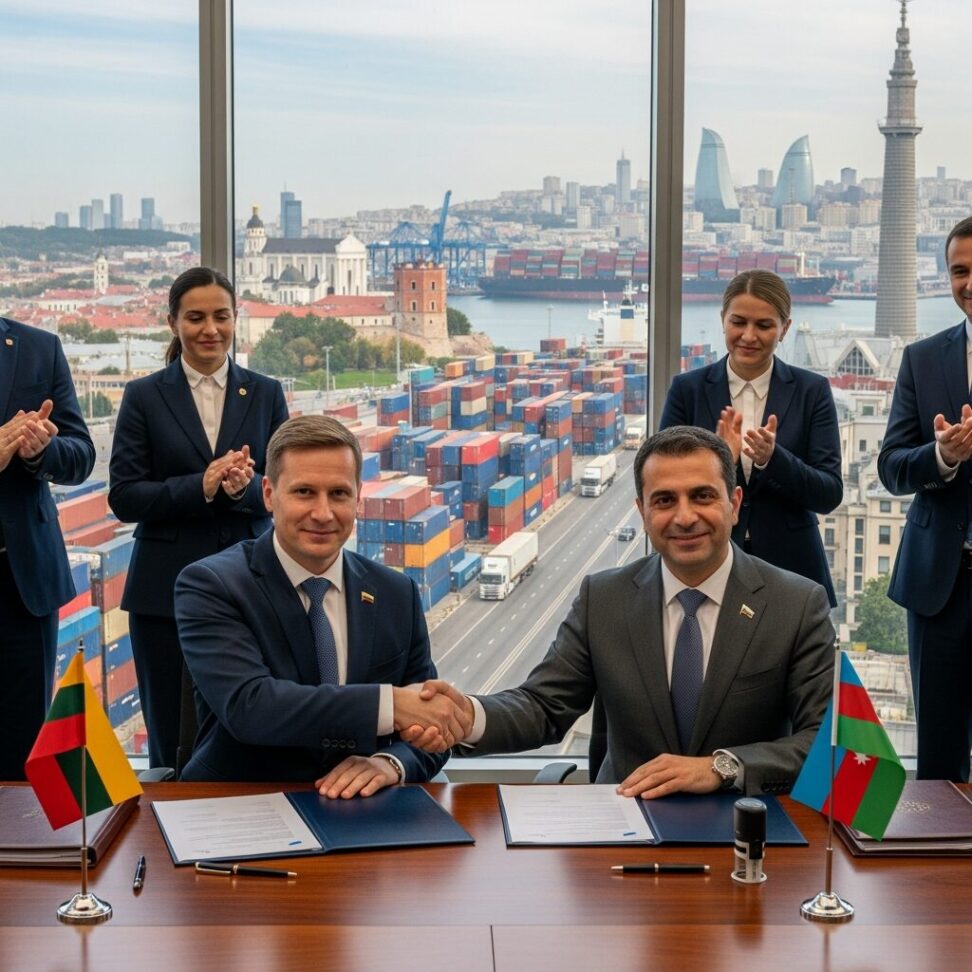
Lithuania and Azerbaijan Partner on Renewable Energy and Green Transition
A strategic partnership is taking shape between Lithuania and Azerbaijan as the two nations work to expand their cooperation in renewable energy development and sustainable business practices. This collaboration marks a significant step forward in regional energy diversification and climate action initiatives.
Strengthening Economic and Energy Ties
The partnership between these two countries extends beyond traditional trade relationships, focusing heavily on the green energy sector and environmental sustainability. Both nations recognize the growing importance of transitioning away from fossil fuels and are actively seeking partners to accelerate their renewable energy goals.
Lithuania, a member of the European Union, brings valuable experience in integrating renewable energy sources into its power grid and implementing EU climate policies. The Baltic nation has been working steadily to reduce its dependence on traditional energy sources while building a more sustainable energy infrastructure.
Azerbaijan, positioned at the crossroads of Europe and Asia, has been diversifying its energy portfolio beyond its substantial oil and gas reserves. The country has set ambitious targets for renewable energy development, particularly in solar and wind power, as part of its long-term economic strategy.
Focus Areas of Cooperation
The bilateral partnership encompasses several key areas:
- Development of renewable energy infrastructure including solar and wind projects
- Exchange of expertise and best practices in green technology implementation
- Business cooperation between Lithuanian and Azerbaijani companies in the clean energy sector
- Knowledge sharing on energy efficiency and grid modernization
- Joint efforts to attract international investment in sustainable energy projects
Business Opportunities in the Green Sector
The expansion of business ties between Lithuania and Azerbaijan creates new opportunities for companies operating in the renewable energy space. Lithuanian firms with expertise in energy technology, project development, and environmental solutions can potentially access the Azerbaijani market, while Azerbaijani businesses gain insights into European sustainability standards and practices.
This collaboration also opens doors for third-party investors and technology providers interested in participating in renewable energy projects in both countries. The partnership framework provides a foundation for more structured cooperation and reduces barriers to entry for businesses looking to expand their operations.
Regional Energy Security Implications
The Lithuania-Azerbaijan partnership carries broader implications for regional energy security. As European nations seek to diversify their energy sources and supply routes, collaborations with countries like Azerbaijan become increasingly strategic. Lithuania’s position as a Baltic state and its connections to European energy networks make it a valuable partner for Azerbaijan’s ambitions to become a green energy exporter.
The cooperation also demonstrates how countries with different energy profiles can work together toward common sustainability goals. While Azerbaijan continues to be a significant hydrocarbon producer, its commitment to renewable energy development shows a recognition of global energy transition trends.
Climate Commitments and Green Transition
Both countries have made commitments under international climate agreements to reduce greenhouse gas emissions and increase the share of renewable energy in their energy mix. This partnership provides a practical mechanism for achieving these goals through shared resources, knowledge, and investment.
Lithuania has been working to meet European Union climate targets, which include substantial reductions in carbon emissions and increases in renewable energy capacity. Azerbaijan has similarly pledged to develop its renewable energy sector, with particular focus on its potential for solar power generation in certain regions.
Looking Ahead
The success of this partnership will depend on the implementation of specific projects and the ability of businesses from both countries to translate cooperation agreements into tangible investments. As the global energy transition accelerates, partnerships like this one between Lithuania and Azerbaijan may serve as models for international cooperation in renewable energy development.
The collaboration represents a practical approach to addressing energy security and climate challenges through bilateral cooperation. By combining Lithuania’s experience with European green standards and Azerbaijan’s energy sector expertise and resources, both nations position themselves to benefit from the growing global renewable energy market.
Analyzed and outlined by Claude Sonnet 4.5, images by Gemini Imagen 4.
Source
https://ca.news.yahoo.com/lithuania-azerbaijan-expand-business-ties-172353363.html