
New Jersey Expands Energy Storage Infrastructure with Major Contract Awards
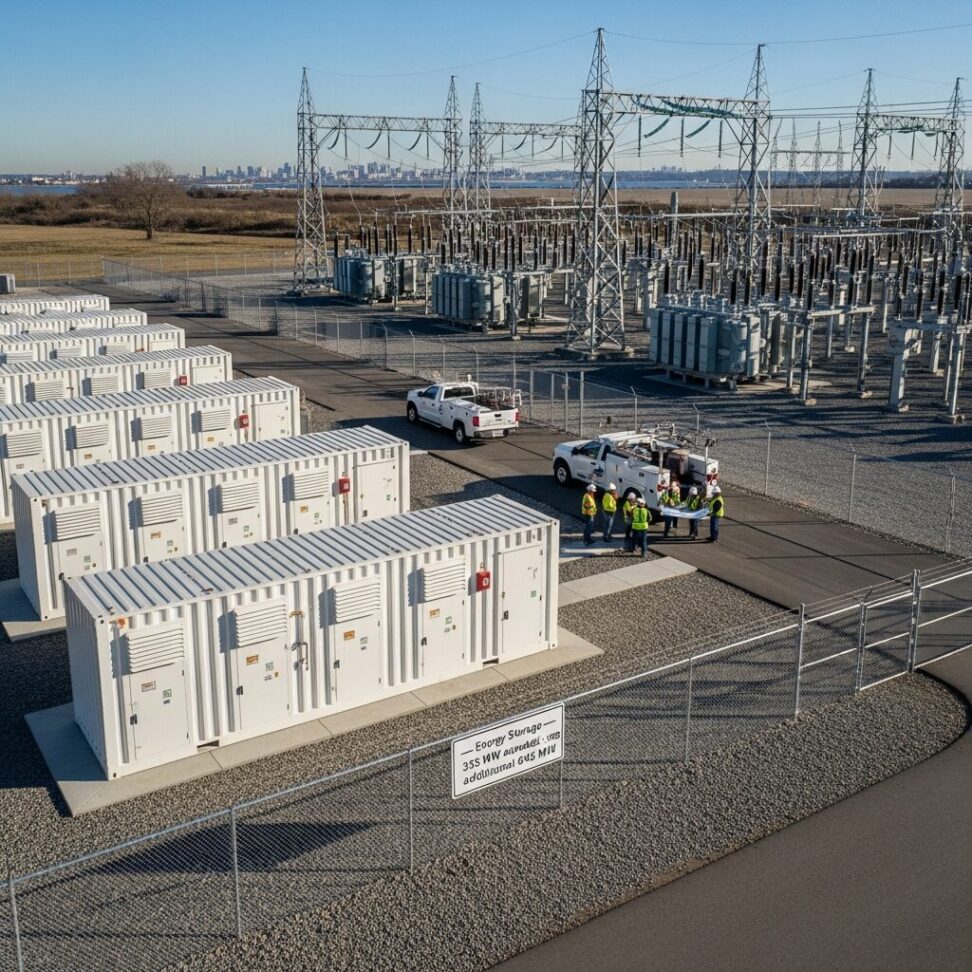
New Jersey continues to strengthen its position as a leader in energy storage deployment, announcing the award of 355 MW of new battery storage capacity while simultaneously launching a solicitation for an additional 645 MW. This development represents a significant step forward in the state’s clean energy transition and grid modernization efforts.
Contract Awards and Project Distribution
The New Jersey Board of Public Utilities (BPU) has finalized contracts for eight energy storage projects totaling 355 MW. This procurement marks the second phase of the state’s ambitious energy storage program, designed to enhance grid reliability and integrate renewable energy sources more effectively.
The awarded projects span multiple utility territories across the state, ensuring broad geographic distribution of energy storage assets. This strategic approach helps address regional grid needs while building a more resilient statewide electricity infrastructure.
Looking Ahead: The 645 MW Expansion
Following the successful completion of this procurement round, state officials have announced plans to move forward with an even larger solicitation. The upcoming 645 MW request for proposals will nearly double the capacity awarded in the current round, demonstrating New Jersey’s commitment to accelerating energy storage deployment.
The expanded procurement is expected to attract interest from both established energy storage developers and new market entrants. With battery technology costs continuing to decline and performance improving, this timing positions New Jersey to benefit from more competitive pricing and advanced system capabilities.
Strategic Importance for Grid Operations
Energy storage systems serve multiple critical functions within the modern electricity grid:
- Peak demand management by storing energy during low-demand periods and discharging during high-demand times
- Frequency regulation to maintain stable grid operations
- Integration support for variable renewable energy sources like solar and wind
- Emergency backup power during outages or extreme weather events
- Transmission and distribution upgrade deferral by addressing localized capacity constraints
The scale of New Jersey’s commitment to energy storage reflects recognition of these benefits and the technology’s role in achieving state climate goals.
Economic and Environmental Impact
The deployment of 1,000 MW of energy storage capacity (combining awarded and planned projects) will generate substantial economic activity throughout the state. Construction, installation, and ongoing maintenance of these facilities will create job opportunities across multiple skill levels.
From an environmental perspective, energy storage enables greater utilization of clean energy resources. By capturing excess renewable generation that might otherwise be curtailed and making it available when needed, these systems help displace fossil fuel generation and reduce greenhouse gas emissions.
Context Within Regional Energy Markets
New Jersey’s energy storage expansion occurs within the broader context of PJM Interconnection, the regional transmission organization serving 13 states and the District of Columbia. As energy storage penetration increases across the PJM footprint, these resources are beginning to play a larger role in wholesale electricity markets.
The state’s approach of conducting regular, sizeable procurements provides market certainty for developers and manufacturers while steadily building the storage capacity needed to support clean energy goals. This model has attracted attention from other states considering similar programs.
Technical Considerations and Grid Integration
Integrating hundreds of megawatts of battery storage into the existing grid infrastructure requires careful planning and coordination. Grid operators must develop new protocols for managing these bidirectional resources that can both consume and inject power.
Advanced software and control systems enable energy storage facilities to respond to grid signals in milliseconds, providing services that traditional generation sources cannot match. As storage deployment increases, these capabilities will become increasingly valuable for maintaining grid stability amid growing renewable energy penetration.
Future Outlook
The completion of the 355 MW procurement and launch of the 645 MW solicitation positions New Jersey as a significant player in the national energy storage market. As battery costs continue declining and policy support remains strong, additional procurement rounds are likely to follow.
State energy officials have indicated that energy storage will remain a priority component of clean energy planning for the foreseeable future. The combination of storage with solar generation and offshore wind development creates a complementary portfolio of resources supporting decarbonization objectives while maintaining grid reliability.
The success of these initial procurement rounds will provide valuable lessons for structuring future solicitations and may influence energy storage policy development in neighboring states.
Analyzed and outlined by Claude Sonnet 4.5, images by Gemini Imagen 4.
**Source**
New Jersey awards 355 MW energy storage, seeks another 645 MW