
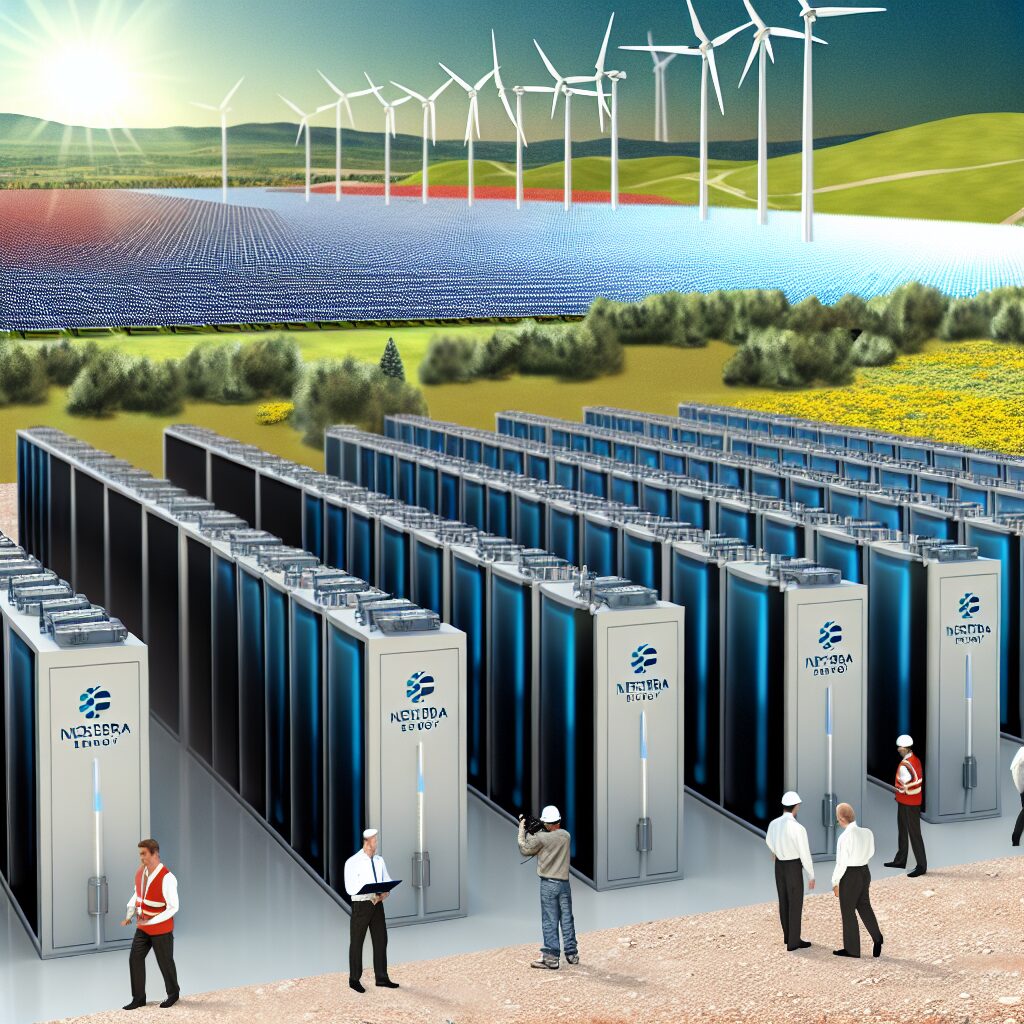
NextEra Energy Launches Battery Storage Project in Michigan
NextEra Energy Resources is moving forward with plans to develop a significant battery energy storage facility in Michigan, marking another step in the state’s transition toward renewable energy infrastructure. The project represents a growing trend of utility-scale battery installations designed to support grid reliability and integrate intermittent renewable energy sources.
Project Details and Location
The energy storage facility will be constructed in Michigan, adding to the state’s expanding portfolio of clean energy infrastructure. Battery storage projects like this one serve as critical components in modern electrical grids, allowing excess energy generated during periods of low demand to be stored and dispatched when consumption peaks.
NextEra Energy Resources, the competitive energy subsidiary of NextEra Energy Inc., specializes in developing, constructing, and operating renewable energy projects across North America. The company is one of the largest generators of renewable energy from wind and solar resources in the United States and has been expanding its battery storage portfolio in recent years.
The Role of Battery Storage in Energy Systems
Battery energy storage systems provide several key benefits to electrical grids:
- Grid stabilization during peak demand periods
- Storage of excess renewable energy for later use
- Backup power during outages or system disruptions
- Reduction of curtailment from renewable sources
- Support for the integration of variable energy resources
These facilities act as large-scale batteries that can charge when electricity is abundant and discharge when demand increases, helping to balance supply and demand across the grid.
Michigan’s Energy Landscape
Michigan has been working to diversify its energy portfolio and reduce dependence on traditional fossil fuel generation. The state has set targets for increasing renewable energy adoption, and battery storage projects are essential infrastructure for achieving these goals. Energy storage allows Michigan to maximize the value of its wind and solar investments by capturing energy that might otherwise be wasted during times of overproduction.
The addition of battery storage capacity helps address one of the primary challenges associated with renewable energy: intermittency. Wind and solar generation fluctuate based on weather conditions, making storage solutions necessary for maintaining consistent power delivery.
NextEra Energy’s Broader Strategy
This Michigan project fits within NextEra Energy Resources’ broader strategy of pairing renewable energy generation with storage capabilities. The company has been actively developing battery storage projects across multiple states, recognizing the technology’s importance in the evolving energy landscape.
As battery technology costs have declined in recent years, utility-scale storage has become increasingly economically viable. This cost reduction has accelerated deployment rates and made storage projects attractive investments for energy companies looking to enhance grid services and capitalize on electricity market opportunities.
Economic and Environmental Implications
Battery storage projects bring both economic and environmental benefits to their host communities. During construction, these facilities create temporary jobs and provide economic activity. Once operational, they contribute to local tax bases and support grid infrastructure that benefits all electricity consumers.
From an environmental perspective, energy storage enables greater penetration of zero-emission renewable energy sources by solving the timing mismatch between when renewable energy is generated and when it is needed. This capability helps reduce reliance on fossil fuel generation that typically ramps up during peak demand periods.
Looking Forward
The Michigan battery storage project represents one of many similar developments occurring nationwide as utilities and independent power producers invest in grid modernization. As more renewable energy comes online and older fossil fuel plants retire, storage infrastructure becomes increasingly valuable for maintaining reliability and resilience.
Energy storage technology continues to evolve, with improvements in battery chemistry, duration capabilities, and cost effectiveness. These advancements are expected to drive further deployment of storage projects in Michigan and across the country in coming years.
The NextEra Energy project underscores the ongoing transformation of the American electricity sector toward cleaner, more flexible, and more resilient energy systems. As policy support for clean energy continues and technology costs decline, battery storage is positioned to play an expanding role in how electricity is generated, stored, and delivered to consumers.
Analyzed and outlined by Claude-3.5, images by DALL·E 3.
**Source** https://www.crainsdetroit.com/energy/nextera-energy-plans-battery-storage-project-michigan