
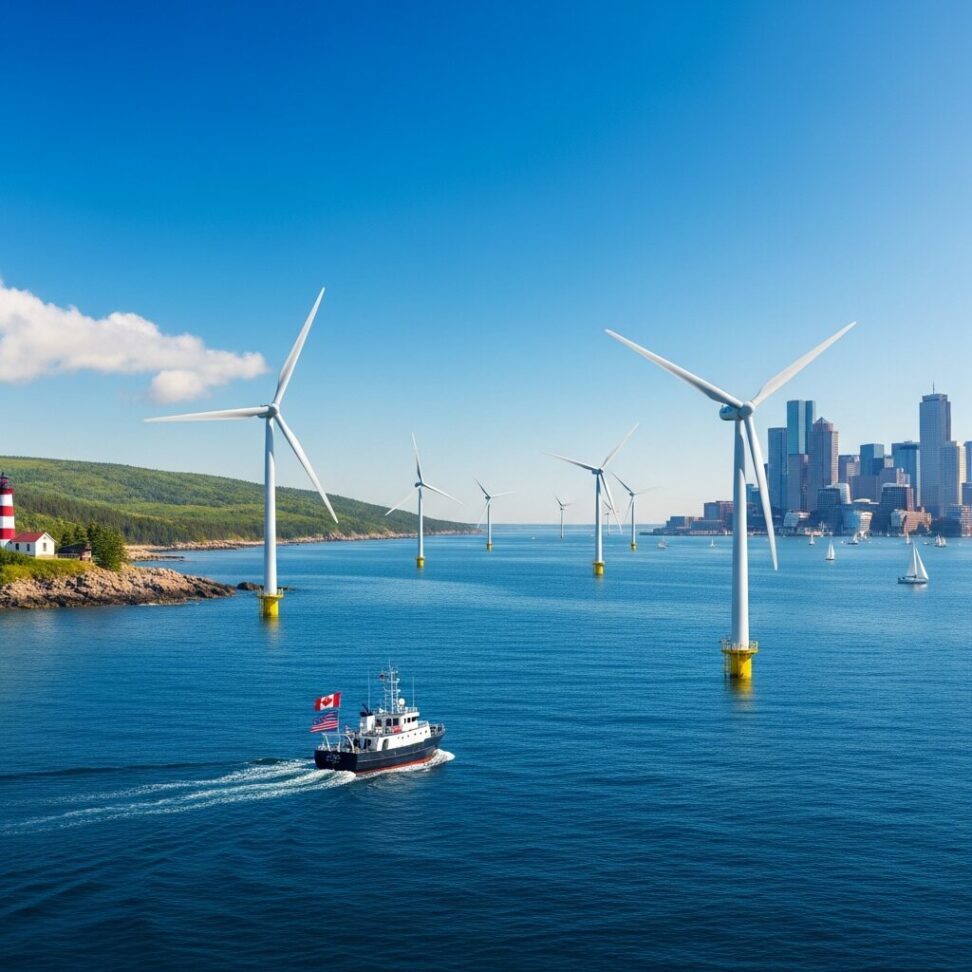
Nova Scotia and Massachusetts Partner on Offshore Wind Energy Development
A new cross-border collaboration is taking shape between Nova Scotia and Massachusetts, marking a significant step forward in North America’s offshore wind energy sector. The two regions have formalized an agreement to work together on developing their respective offshore wind resources, creating opportunities for shared knowledge, technology transfer, and economic growth.
Details of the Agreement
On February 4, 2026, Nova Scotia’s provincial government and the Commonwealth of Massachusetts signed a memorandum of understanding focused on offshore wind energy development. The partnership aims to establish a framework for cooperation between the two jurisdictions as they advance their renewable energy goals.
The agreement will facilitate collaboration in several key areas, including regulatory best practices, environmental protection measures, and workforce development initiatives. Both regions recognize the potential of offshore wind to contribute substantially to their clean energy targets while creating new employment opportunities in the renewable sector.
Strategic Importance for Both Regions
Massachusetts has already established itself as a leader in offshore wind development in the United States. The state has committed to procuring significant amounts of offshore wind power as part of its climate action strategy. This experience positions Massachusetts as a valuable partner for Nova Scotia, which is in earlier stages of developing its offshore wind potential.
For Nova Scotia, the partnership represents an opportunity to accelerate its offshore wind industry development by learning from Massachusetts’ experience in permitting processes, grid integration, and stakeholder engagement. The province has substantial offshore wind resources along its Atlantic coast, particularly in areas with strong and consistent wind patterns.
Economic and Environmental Benefits
The collaboration is expected to generate economic benefits for both regions. Nova Scotia anticipates opportunities for its maritime sector, including port facilities and marine services, to support offshore wind development. The province’s existing expertise in offshore operations, developed through decades of oil and gas activity, can be adapted to support wind energy projects.
The environmental objectives are equally compelling. Both jurisdictions have set ambitious greenhouse gas reduction targets, and offshore wind energy represents a crucial component of their decarbonization strategies. Offshore wind farms can generate substantial amounts of clean electricity without competing for land resources or impacting residential areas.
Technical and Workforce Collaboration
The agreement includes provisions for knowledge sharing in technical areas such as:
- Offshore wind turbine installation and maintenance
- Subsea cable infrastructure
- Environmental monitoring and marine habitat protection
- Supply chain development and procurement
Workforce development is another critical component of the partnership. Both regions plan to collaborate on training programs to prepare workers for jobs in the offshore wind sector. This includes positions ranging from engineering and project management to vessel operations and turbine maintenance.
Regulatory Framework and Permitting
One of the most valuable aspects of the collaboration will be sharing insights on regulatory approaches and permitting processes. Massachusetts has navigated complex federal and state regulatory requirements to advance its offshore wind projects, and this experience can inform Nova Scotia’s regulatory development.
The partnership will also address environmental review processes, ensuring that offshore wind development proceeds in a manner that protects marine ecosystems and respects the interests of fishing communities and other ocean users.
Looking Ahead
The timing of this agreement aligns with growing momentum in offshore wind development across North America. Several Canadian provinces and U.S. states are exploring their offshore wind potential, creating opportunities for regional cooperation and supply chain integration.
For Nova Scotia, this partnership could help position the province as a regional hub for offshore wind development, potentially serving markets in Atlantic Canada and the northeastern United States. The province’s geographic location and existing marine infrastructure provide natural advantages for this emerging industry.
The collaboration between Nova Scotia and Massachusetts demonstrates how jurisdictional boundaries need not limit progress on climate action and clean energy development. By sharing resources, knowledge, and best practices, both regions can accelerate their transition to renewable energy while creating economic opportunities for their residents.
As offshore wind technology continues to advance and costs decline, partnerships like this one will become increasingly important for maximizing the benefits of this clean energy resource while minimizing development risks and environmental impacts.
Analyzed and outlined by Claude Sonnet 4.5, images by Gemini Imagen 4.
**Source**