
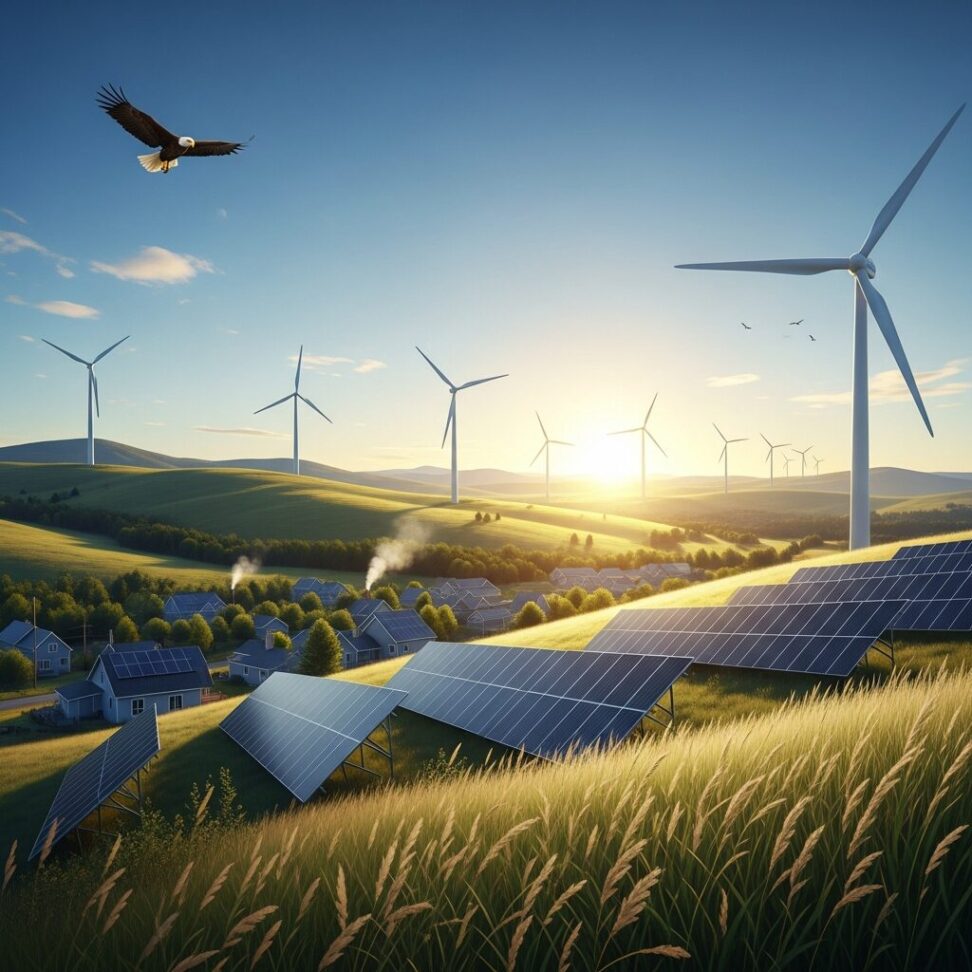
Nova Scotia’s Path to Achieving 2030 Renewable Energy Goals
Nova Scotia is making significant progress toward its ambitious renewable energy targets, with provincial officials expressing confidence about meeting their 2030 objectives. The province has set a clear mandate to transition away from fossil fuels and embrace cleaner energy sources over the coming years.
Current Progress and Targets
The province aims to generate 80 percent of its electricity from renewable sources by 2030. Provincial officials report that Nova Scotia is on track to meet this goal, marking a substantial shift in the region’s energy landscape. This target represents a considerable increase from current levels and demonstrates the province’s commitment to reducing carbon emissions.
Nova Scotia’s renewable energy mix includes wind power, solar energy, hydroelectricity, and biomass. The province has been steadily increasing its capacity in these areas through strategic investments and policy initiatives designed to attract both public and private sector participation.
Wind Energy Development
Wind power continues to be a cornerstone of Nova Scotia’s renewable energy strategy. The province has favorable wind conditions along its coastline and elevated terrain, making it an ideal location for wind farm development. Several large-scale wind projects are either operational or in various stages of planning and construction.
The expansion of wind energy infrastructure has created new economic opportunities in rural communities while contributing to the province’s clean energy goals. These projects generate both construction jobs and long-term employment opportunities for maintenance and operations.
Solar Power Growth
Solar energy adoption has accelerated in recent years, with both utility-scale installations and residential systems becoming more common across the province. The declining cost of solar panels has made this technology increasingly accessible to homeowners and businesses.
Provincial programs have supported solar development through various incentive mechanisms and regulatory frameworks that facilitate grid connection for solar installations. This approach has helped democratize energy production and allowed more Nova Scotians to participate in the renewable energy transition.
Challenges and Considerations
Despite the positive trajectory, the province faces several challenges in achieving its renewable energy goals. Energy storage remains a critical issue, as wind and solar power generation can be intermittent. Developing adequate battery storage capacity or other energy storage solutions will be essential for maintaining grid stability as renewable sources comprise a larger share of the energy mix.
Infrastructure upgrades are another consideration. The existing electrical grid requires modernization to accommodate distributed renewable energy sources and manage the bidirectional flow of electricity. These upgrades represent significant capital investments but are necessary for a successful energy transition.
Economic Implications
The shift toward renewable energy carries both costs and benefits for Nova Scotia’s economy. While initial infrastructure investments are substantial, renewable energy projects can provide long-term economic advantages through reduced fuel costs and price stability.
The renewable energy sector has become an increasingly important source of employment in the province. Jobs in installation, maintenance, engineering, and project management have grown as the sector expands. This employment growth helps offset job losses in traditional energy sectors.
Regional and National Context
Nova Scotia’s renewable energy ambitions align with broader Canadian climate commitments. The federal government has established national emissions reduction targets, and provincial efforts like those in Nova Scotia are essential for achieving these goals.
The province’s progress also positions it as a potential leader in Atlantic Canada’s energy transition. Success in meeting the 2030 targets could provide a model for other provinces facing similar challenges in reducing dependence on fossil fuels.
Looking Ahead
Meeting the 2030 renewable energy target will require sustained effort and investment over the remaining years of this decade. Provincial officials must continue to balance environmental objectives with economic considerations and energy reliability.
Public support will be essential as the transition continues. Educating residents about the benefits of renewable energy and addressing concerns about costs and reliability will help maintain momentum toward achieving these goals.
The coming years will be critical for Nova Scotia as it works to transform its energy sector. With continued commitment from government, industry, and citizens, the province appears positioned to meet its renewable energy targets and contribute to broader climate action efforts.
Analyzed and outlined by Claude Sonnet 4.5, images by Gemini Imagen 4.
**Source**
https://www.cbc.ca/news/canada/nova-scotia/n-s-on-track-for-2030-green-energy-target-provincial-officials-say-9.7064447