
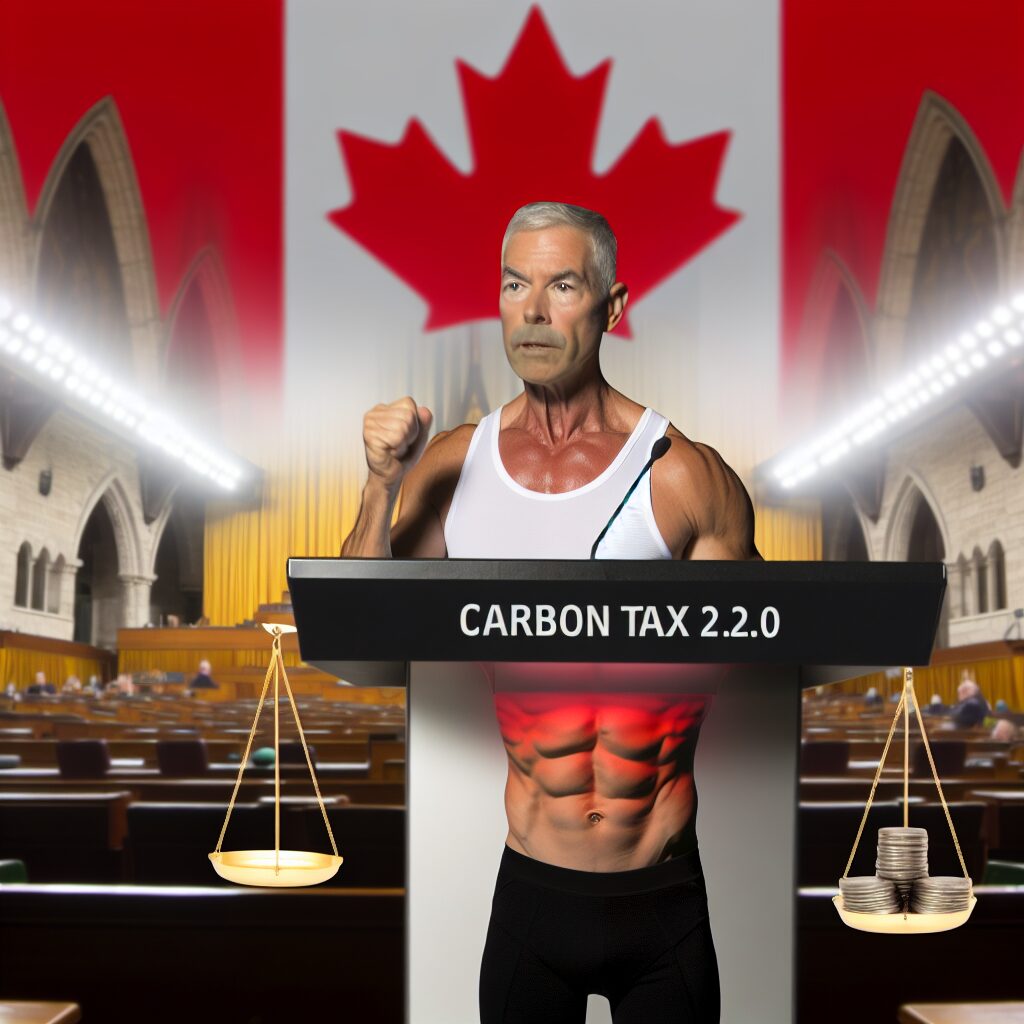
Poilievre Vows to Challenge ‘Carbon Tax 2.0’ in Parliament
Conservative Party leader Pierre Poilievre has pledged to confront what he refers to as “Carbon Tax 2.0” during the reopening of Canada’s Parliament. The opposition leader is intensifying his stance against the Liberal government’s proposed increase to carbon pricing policies, promising to oppose new measures through every available legislative channel.
What Is ‘Carbon Tax 2.0’?
The term “Carbon Tax 2.0” is used by Poilievre to describe the federal government’s upcoming second-tier carbon pricing rule, which is expected to impact various sectors—particularly fuel consumption and home heating costs. The existing carbon tax has already been a contentious issue across the country, and this follow-up reform is seen by critics as an added financial burden on Canadian families and businesses.
Poilievre’s Key Points of Opposition
Speaking ahead of Parliament’s return, Poilievre criticized Prime Minister Justin Trudeau for imposing additional costs on Canadians during a time of economic uncertainty.
- He claims the new layer of the carbon tax will further strain household budgets already stretched by inflation.
- Poilievre emphasized that many Canadians are struggling with high grocery, fuel, and housing prices.
- He argued that rural communities, in particular, will feel the brunt due to their reliance on driving long distances and heating homes with oil or gas.
Parliament Returns Amid Growing Economic Concerns
The House of Commons reconvened on January 29, 2024, after the winter break, with Poilievre placing carbon taxation at the forefront of his agenda. The Conservative leader has stated that he will propose motions aimed at repealing or halting further increases in the carbon tax.
This debate returns to center stage as affordability remains one of the top concerns for Canadian voters. Polling indicates that cost-of-living pressures continue to dominate national discourse, giving weight to Poilievre’s message.
The Government’s Position on Carbon Pricing
The Liberal government maintains that its carbon pricing framework is a necessary tool in addressing climate change. According to Environment and Climate Change Canada, carbon pricing encourages individuals and companies to reduce emissions by making polluting activities more expensive.
Under the current framework:
- The carbon price is set to rise annually until it reaches $170 per tonne by 2030.
- Households receive rebates via the Climate Action Incentive Payment, which the government argues offsets increased energy costs for most families.
- Revenue from the carbon price is returned to Canadians, either through rebates or funding green energy initiatives.
Industry and Provincial Responses
Several provinces have already voiced opposition to the federal carbon pricing system, with some premiers calling for exemptions or seeking legal action to avoid compliance.
In Ontario and Alberta, political leaders continue to criticize the policy as federally overreaching into provincial jurisdiction. Saskatchewan Premier Scott Moe has also stated that residents in his province should be exempt from what he considers unfair taxation.
Economic Impact and Public Reaction
A key argument from opponents like Poilievre is that the additional burden of rising carbon taxes could stifle growth and disproportionately affect low- and middle-income Canadians. Small business owners and farmers have echoed similar concerns about increasing operational costs.
Public sentiment remains divided:
- Supporters believe carbon pricing is essential for meeting Canada’s climate targets.
- Opponents argue that any tax hikes must be weighed against their socioeconomic impacts.
What Comes Next in Parliament
With Parliament back in session, Canadians can expect heated debates over the future of carbon pricing. Poilievre plans to introduce motions and use procedural tools to draw attention to the issue.
His strategy includes:
- Forcing votes on legislation related to carbon taxation.
- Encouraging public petitions and grassroots campaigns across the country.
- Highlighting case studies from industries and communities impacted by the tax.
While the Liberal government shows no sign of retreating from its climate goals, the pressure from opposition parties and certain provinces may influence how the next phase of carbon pricing is implemented.
Conclusion
As Canada navigates complex challenges related to environmental responsibility and economic resilience, the debate over “Carbon Tax 2.0” is set to remain a key battleground in federal politics. Whether Poilievre’s push garners enough momentum to stall or reshape government policy remains to be seen when Parliament continues its session in Ottawa.
Analyzed and outlined by ChatGPT-4o, images by DALL·E 3.
Source
http://www.msn.com/en-ca/news/canada/poilievre-pledges-fight-of-carbon-tax-2-0-in-parliament-s-return/ar-AA1LkUyu?cvid=2132EDDC87594F128917E9E5300405FF&ocid=HPCDHP&apiversion=v2&noservercache=1&domshim=1&renderwebcomponents=1&wcseo=1&batchservertelemetry=1&noservertelemetry=1