
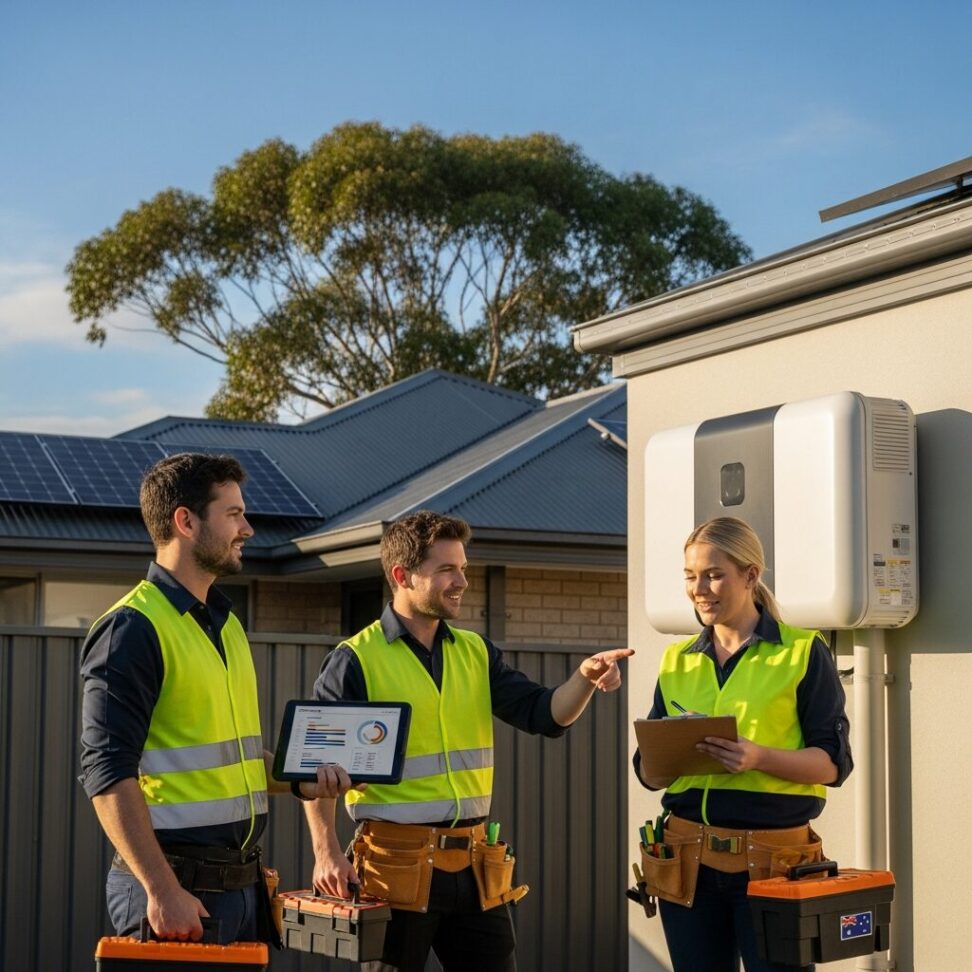
Solar Installers’ Guide to Selecting Home Energy Storage
The residential solar market continues to expand, with energy storage systems becoming an essential component for homeowners seeking energy independence. For solar installers, selecting the right home energy storage supplier represents a critical business decision that impacts customer satisfaction and long-term success.
Key Evaluation Criteria for Storage Suppliers
Solar installers face numerous considerations when choosing energy storage partners. The decision extends beyond simple product specifications to encompass multiple business and technical factors that determine installation success and customer outcomes.
Product quality stands as the primary consideration. Installers examine battery chemistry, cycle life, warranty terms, and safety certifications. Lithium iron phosphate (LiFePO4) batteries have gained preference due to their thermal stability and longevity compared to other lithium-ion variants.
Pricing structures and margins affect business viability. Installers need competitive wholesale pricing that allows them to offer attractive retail rates while maintaining healthy profit margins. Transparent pricing models without hidden costs build trust between suppliers and installers.
Technical Support and Training Requirements
Comprehensive technical support separates reliable suppliers from problematic ones. Installers value suppliers who provide:
- Detailed installation manuals and documentation
- Responsive technical helplines for troubleshooting
- Regular training sessions on new products
- Software tools for system design and configuration
- On-site support for complex installations
Training programs help installers stay current with evolving technology. Suppliers offering certification courses enable installers to confidently recommend and install their systems, reducing callbacks and warranty claims.
Warranty and After-Sales Service
Warranty terms directly impact installer reputation. Comprehensive warranties covering both product defects and performance degradation provide installers and homeowners with peace of mind. The warranty claim process must be straightforward, with quick response times and minimal paperwork.
After-sales service quality determines whether installers maintain long-term relationships with suppliers. Quick replacement part availability, efficient RMA processes, and proactive customer communication during warranty claims distinguish top-tier suppliers.
Product Range and Compatibility
Installers prefer suppliers offering diverse product ranges to meet varying customer needs. Storage systems must accommodate different household sizes, energy consumption patterns, and budget constraints. Scalability options allow homeowners to start small and expand capacity later.
Compatibility with existing solar inverters and panels simplifies installations. Suppliers supporting multiple inverter brands and communication protocols provide installers with greater flexibility in system design.
Supply Chain Reliability
Consistent product availability prevents project delays and customer dissatisfaction. Installers assess suppliers based on:
- Stock levels and lead times
- Local warehousing and distribution networks
- Communication about supply chain disruptions
- Buffer stock for urgent orders
- Clear delivery schedules
Installers particularly value suppliers with local inventory, reducing shipping times and associated costs.
Regulatory Compliance and Certifications
Energy storage systems must meet standards and regulations. Installers verify that suppliers hold necessary certifications including:
- Clean Energy Council approval
- AS/NZS standards compliance
- Grid connection requirements
- Fire safety certifications
- Insurance compatibility
Non-compliant products create liability risks and may void homeowner insurance policies, making regulatory adherence non-negotiable.
Brand Reputation and Market Presence
Established suppliers with proven track records inspire confidence among installers and homeowners. Market longevity suggests financial stability and ongoing product support. Installers research supplier backgrounds, read industry reviews, and seek peer recommendations before committing to partnerships.
Social proof through case studies and customer testimonials helps installers understand real-world performance. Suppliers transparent about both successes and challenges earn credibility within the installer community.
Future-Proofing Considerations
Technology evolves rapidly in the energy storage sector. Installers favor suppliers investing in research and development, ensuring their products remain competitive. Firmware updates, smart grid integration capabilities, and compatibility with emerging technologies like vehicle-to-grid systems enhance long-term value.
The selection process for home energy storage suppliers demands careful evaluation across multiple dimensions. Installers balancing product quality, business support, and customer satisfaction position themselves for sustained growth in the expanding residential energy storage market.
Analyzed and outlined by Claude Sonnet 4.5, images by Gemini Imagen 4.
**Source**
https://www.bastillepost.com/global/article/5613986-felicitysolar-insights-on-how-australian-installers-evaluate-home-energy-storage-suppliers