
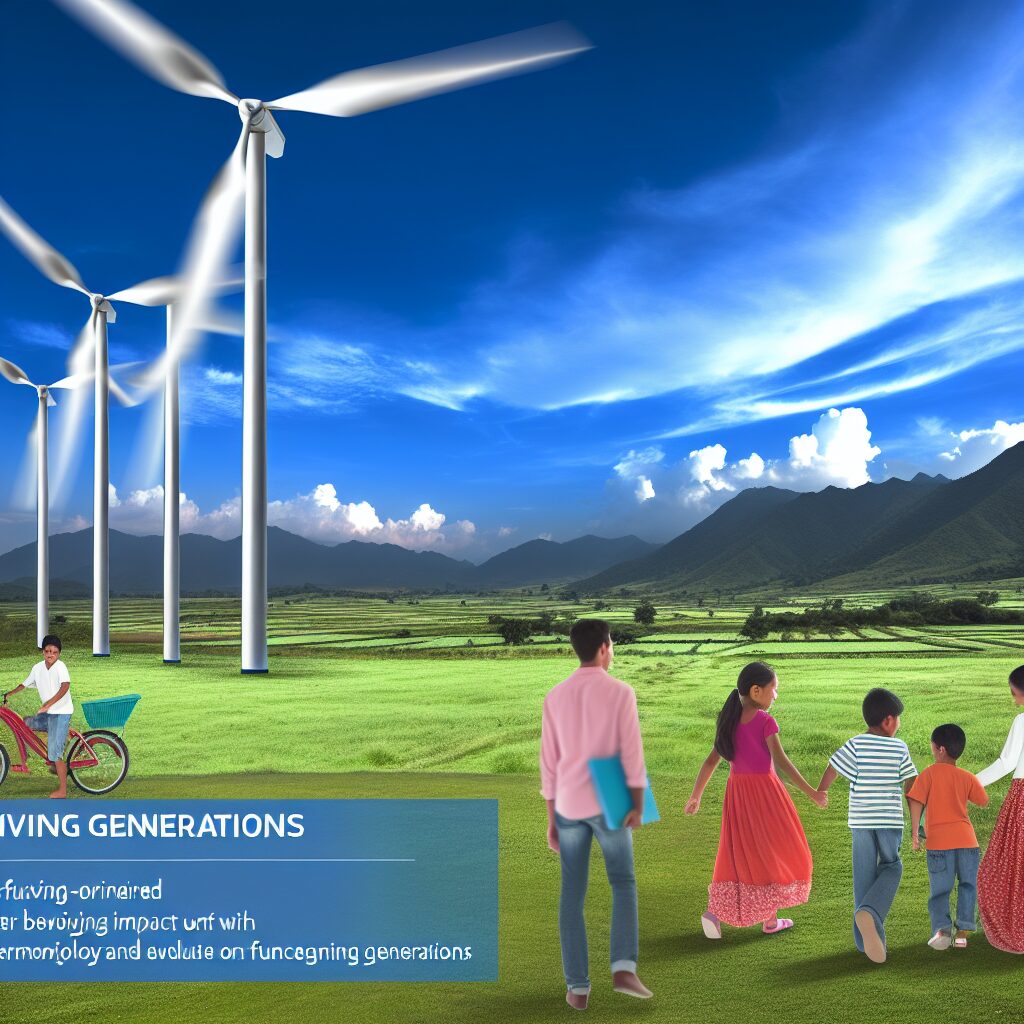
The Long-lasting Effects of New Wind Farms on Future Generations
As global energy demands continue to rise, nations are increasingly turning to renewable sources like wind power. The creation of new wind farms is not only changing local landscapes but also shaping the future environmental, economic, and health outcomes for generations to come. Understanding these long-term effects can help guide policy decisions and investment strategies today.
Environmental Benefits That Extend Beyond Today
Wind energy is widely recognized for its low environmental impact compared to fossil fuels. Once a wind farm is constructed, it produces electricity without emitting greenhouse gases or air pollutants — a significant factor in combating climate change.
- Reduced Carbon Footprint: Wind turbines generate electricity without burning fossil fuels, reducing CO₂ emissions significantly.
- Preservation of Natural Resources: Unlike coal or gas plants, wind farms do not consume water during operation, conserving this vital resource.
- Habitat Management: New projects are increasingly incorporating wildlife protection measures to minimize ecological disruption.
These advantages contribute to cleaner air and more stable ecosystems, which benefit both current residents and future generations who will inherit the consequences of today’s energy choices.
Economic Opportunities for Local Communities
The development of wind farms brings job opportunities and revenue to rural areas where they are often located. Over time, this infrastructure investment can boost regional economies and provide long-term income sources.
- Job Creation: Construction, maintenance, and administration of wind facilities provide employment throughout the life cycle of the project.
- Tax Revenue: Local governments benefit from property taxes and land lease payments, which can fund schools, roads, and public services.
- Stable Energy Prices: Wind power reduces reliance on imported fuels, helping to stabilize long-term energy costs for consumers.
By fostering economic resilience, wind farms lay the groundwork for sustainable community growth that extends across generations.
Health Impacts on Future Generations
One of the less-discussed benefits of wind energy is its positive impact on public health. Unlike fossil fuel-based power generation, wind turbines do not emit harmful pollutants such as sulfur dioxide or nitrogen oxides, which are linked to respiratory and cardiovascular issues.
Children born in areas where wind energy replaces coal-fired power plants may experience lower rates of asthma and other chronic conditions. Cleaner air, fewer industrial pollutants, and reduced climate-related health risks all contribute to healthier communities over time.
Challenges and Considerations
Despite the many benefits, wind farms are not without challenges. It’s important to consider potential downsides when planning and developing these installations.
- Land Use and Aesthetics: Wind turbines require substantial space and can alter natural and cultural landscapes.
- Intermittency Issues: Wind is not constant, which means backup systems or storage solutions are necessary to ensure reliable power supply.
- Wildlife Concerns: Bird and bat populations can be affected by turbine blades, although mitigation strategies are improving.
Addressing these issues through thoughtful design and technological innovation helps ensure the net impact remains positive into the future.
Policy and Global Implications
Government incentives and international cooperation play a key role in expanding wind energy infrastructure. Long-term policy support can accelerate investment in renewables, reduce carbon emissions globally, and promote clean energy access in developing regions.
Countries that commit to large-scale wind energy plans set an example for others, encouraging a shift toward sustainable practices worldwide. These policies don’t just influence today’s environment — they create frameworks that will affect future societies economically and ecologically.
Passing Down the Benefits
Wind farms represent more than a shift in how we generate electricity; they symbolize a long-term investment in the planet’s well-being. When designed and managed effectively, they offer a legacy of clean energy, economic stability, and improved public health.
Future generations stand to gain the most from these developments, inheriting a world less dependent on finite resources and better equipped to address environmental challenges. Decisions made today about wind energy have ripple effects that extend far beyond our own lifetimes.
Analyzed and outlined by ChatGPT-4o, images by DALL·E 3.
Source
https://ca.news.yahoo.com/wind-farms-impact-felt-generations-070430941.html