
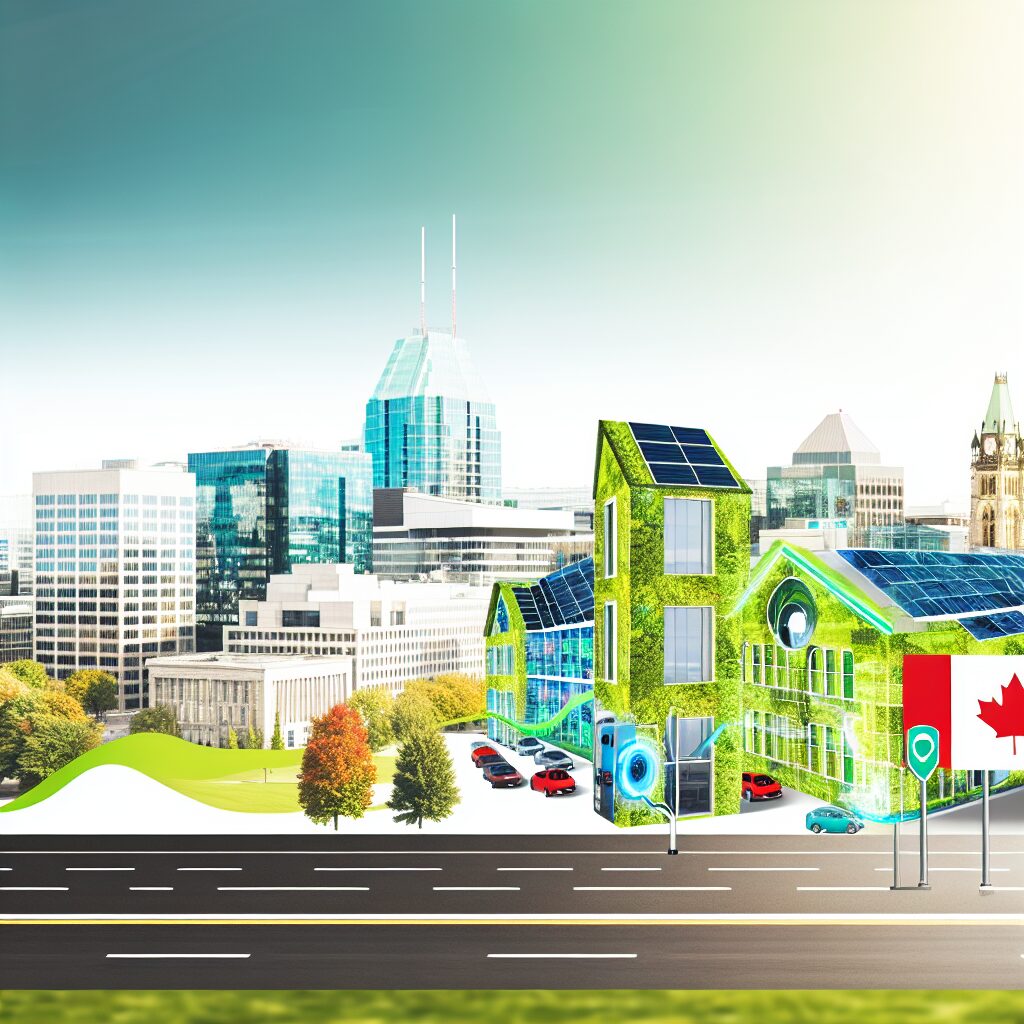
Retrofitting Canada’s Buildings for Sustainable Nation-Building Efforts
As the world faces increasing challenges related to climate change, nations are seeking long-term strategies that align environmental responsibility with economic development. In Canada, one key approach lies in retrofitting existing buildings—an initiative that supports both sustainability and nation-building. With nearly 80 percent of buildings that will exist in 2050 already standing today, Canada is exploring ways to transform its aging infrastructure into energy-efficient, resilient spaces that serve current and future generations.
The Urgency of Retrofitting in Canada
Buildings account for approximately 18 percent of Canada’s greenhouse gas emissions. Most of these emissions stem from the heating, cooling, lighting, and operation of older structures that were not built to modern standards of energy efficiency. Retrofitting provides an opportunity to reduce these emissions significantly while also improving the safety, comfort, and longevity of the nation’s building stock.
Nation-Building Through Sustainable Infrastructure
The Government of Canada recently emphasized a broader vision of nation-building, where infrastructure plays a central role in fostering economic resilience and social cohesion. Within this agenda, upgrading public buildings—such as schools, hospitals, government offices, and community housing—is a crucial step.
This initiative extends beyond energy performance. It involves:
- Creating jobs in construction, engineering, and clean technology sectors
- Strengthening local supply chains for sustainable materials
- Improving access to safe, comfortable, and accessible public spaces
- Reducing utility costs for public institutions and households
By integrating environmental goals with socio-economic priorities, retrofitting becomes more than just a technical fix—it becomes a strategy for inclusive growth.
Challenges Facing Retrofitting Projects
Scaling retrofit efforts nationally is not without hurdles. These include:
- Upfront costs and financing for large-scale renovations
- Lack of standardization and certification in retrofit practices
- Skilled labour shortages in green construction sectors
- Limited data on building performance to guide retrofit priorities
Addressing these barriers requires coordinated action from federal, provincial, and municipal governments, alongside private sector participation.
Strategic Investments and Policy Tools
Canada has initiated several programs aimed at overcoming these obstacles. These include targeted investments through the Canada Infrastructure Bank (CIB), which has earmarked funds specifically for large-scale building retrofits. The Greener Homes Initiative also supports individual homeowners to upgrade insulation, windows, and heating systems.
Key policy tools being deployed or considered include:
- Green Building Codes tailored for retrofit scenarios
- Tax incentives and grants for both residential and commercial projects
- National training programs to expand the retrofit workforce
- Public-private partnerships to drive innovation and share risk
These measures aim to create the conditions necessary for a self-sustaining retrofit economy.
Opportunities for Indigenous and Remote Communities
Many Indigenous and remote communities across Canada face unique infrastructure challenges. Retrofitting offers a chance to improve living conditions while respecting traditional knowledge and land stewardship principles. Tailored solutions can help communities achieve energy independence by incorporating renewable technologies such as solar panels and heat pumps, adapted to local climates and needs.
Involving Indigenous leadership in planning and execution ensures that retrofit strategies align with cultural values and contribute to community well-being.
Climate-Resilient Design
Beyond energy efficiency, retrofitting must consider climate adaptation. Buildings need to be prepared for extreme weather events, including floods, wildfires, and heatwaves. Climate-resilient retrofits may include:
- Installing flood-resistant materials and drainage systems
- Upgrading ventilation to filter smoke and airborne particles
- Using reflective roofs and thermal barriers to combat urban heat islands
These adaptations protect health, reduce insurance costs, and minimize service disruptions during emergencies.
Conclusion: A Collaborative Path Forward
Retrofitting Canada’s buildings is a pragmatic and forward-thinking element of the country’s broader nation-building agenda. It addresses pressing climate goals while creating jobs, strengthening communities, and extending the life of critical infrastructure. Success will depend on cross-sector collaboration, sustained investment, and policies that prioritize equity and local capacity.
For Canada, enhancing the built environment is not just about bricks and mortar—it’s about building a sustainable, inclusive nation for decades to come.
Analyzed and outlined by ChatGPT-4o, images by DALL·E 3.
Source
The nation-building initiative of retrofitting Canada’s buildings