
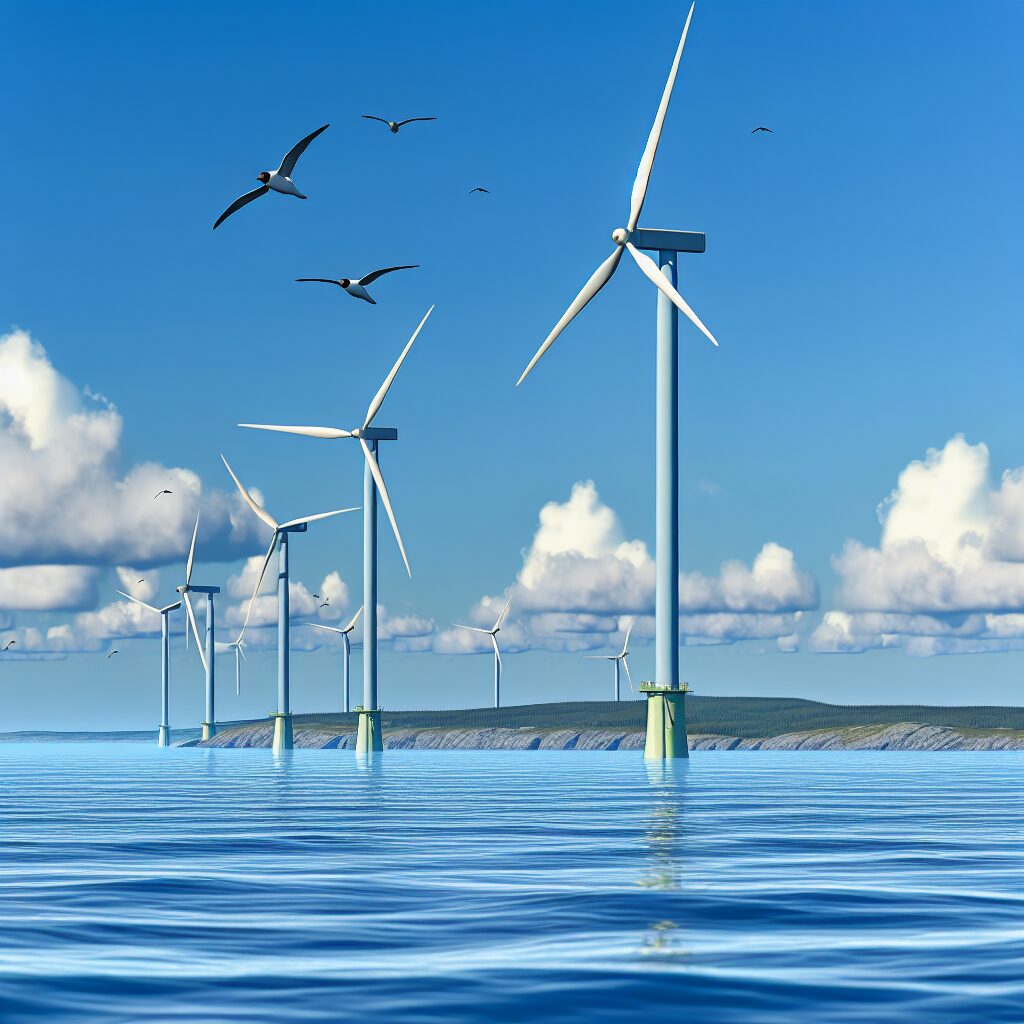
Canada Designates First Offshore Wind Energy Areas in Nova Scotia
Canada has taken a significant step toward its clean energy transition by officially designating the country’s first offshore wind energy areas. These zones are located off the coast of Nova Scotia and mark a key milestone in Canada’s broader strategy to develop renewable energy infrastructure and meet net-zero emissions targets.
New Wind Zones Signal Policy Shift for Canada’s Renewable Future
The announcement came as part of Canada’s efforts to strengthen its position in the global shift to cleaner energy sources. The four designated offshore wind areas lie within Nova Scotia’s continental shelf, an area identified through extensive environmental assessments and stakeholder consultations.
By identifying these zones, the federal government has laid the groundwork for future offshore wind projects that are expected to generate significant power capacity and economic opportunities.
Details of the Designated Offshore Wind Areas
The newly designated offshore wind energy areas are:
- Scotian Shelf – Southwest
- Scotian Shelf – Southeast
- Scotian Shelf – Central
- Scotian Slope – Deepwater Area
These areas were chosen based on their wind resource potential, limited conflicts with marine users, and minimal ecological disruption. Together, they represent a promising opportunity for developing large-scale renewable energy projects capable of powering hundreds of thousands of homes.
Nova Scotia Positioned for Growth in Green Economy
Nova Scotia stands to benefit significantly from these developments. In addition to clean electricity generation, offshore wind projects are expected to foster local job creation and support supply chain development across Atlantic Canada. This aligns with the province’s Clean Power Roadmap and climate goals.
Key potential benefits include:
- Increased energy security and diversification
- Job creation in construction, maintenance, and related industries
- Regional economic development in coastal communities
- Reduced greenhouse gas emissions
Next Steps: Regulatory Framework and Leasing Process
With the designation of these areas, Natural Resources Canada will now work in conjunction with provincial authorities and Indigenous groups to launch a competitive leasing process. The government plans to establish a regulatory framework that balances energy development with ocean protection.
This includes:
- Environmental impact assessments
- Public and stakeholder consultations
- Clear permitting procedures
Establishing this framework is crucial to ensuring that future offshore wind projects are developed responsibly and sustainably.
Part of a Broader National Strategy
These designations align with Canada’s federal goal of reaching net-zero greenhouse gas emissions by 2050. Offshore wind is seen as a critical component of the country’s strategy to decarbonize electricity supplies and reduce reliance on fossil fuels.
Canada has also committed to achieving 100% clean electricity by 2035, and increasing investment in offshore wind supports this target. With vast coastlines and strong wind resources, the country is positioned to become a leader in offshore renewable energy in the coming decades.
Collaboration with Local and Indigenous Communities
Federal and provincial governments have emphasized the importance of working closely with Indigenous communities throughout the development process. Engagement and consultation are set to play a central role in how leases are granted and how environmental safeguards are implemented.
By including Indigenous knowledge and perspectives, Canada aims to ensure equitable participation and long-term benefits for all stakeholders involved in the offshore wind sector.
Outlook for Offshore Wind in Canada
The designation of Nova Scotia’s offshore wind areas marks the beginning of what could be a transformative period in Canadian energy policy. While actual project development may still be several years away, this foundational step signals serious momentum.
Industry analysts expect that, once operational, these offshore wind farms could contribute significantly to Canada’s overall renewable energy capacity and help drive innovation in turbine technology, grid integration, and marine logistics.
Analyzed and outlined by ChatGPT-4o, images by DALL·E 3.
Source
https://www.canada.ca/en/natural-resources-canada/news/2025/07/canadas-first-four-offshore-wind-energy-areas-have-been-designated-on-nova-scotias-offshore.html