
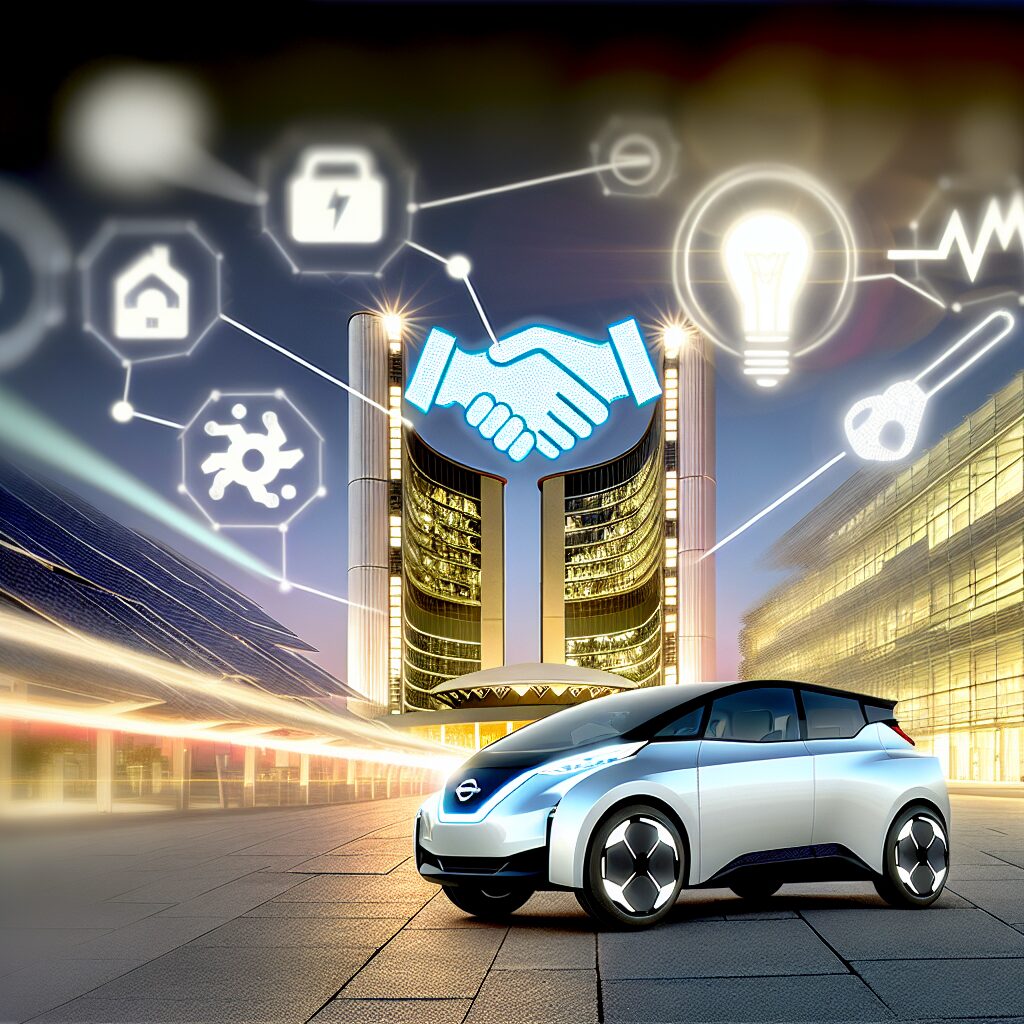
University of Toronto and Nissan Collaborate for EV Research
New Partnership Bridges Academia and Industry in Sustainable Mobility
The University of Toronto (U of T) and Nissan have officially launched a collaborative research partnership aimed at advancing electric vehicle (EV) technology. Focused on the integration of EVs with modern electric grids, this initiative aligns with global efforts to create cleaner, more efficient transportation systems.
Nissan, a Japanese multinational automobile manufacturer known for its early adoption of electric mobility through models like the Nissan Leaf, is working closely with U of T researchers to develop solutions that address key challenges in EV infrastructure and grid compatibility.
Location and Scope of the Initiative
The collaboration will be based at the University of Toronto’s Electric Vehicle Research Centre, located at the St. George campus in downtown Toronto, Canada. This center is equipped with state-of-the-art facilities and staffed by faculty and students from multiple disciplines, including engineering, environmental science, and public policy.
The partnership aims to explore how EVs can be effectively integrated into the energy ecosystem, particularly as both vehicles and cities become more electrified.
Core Research Areas of the Collaboration
This industry-academic partnership will delve into several areas critical to the future of electric mobility. These include:
- Vehicle-to-grid (V2G) technology, which allows EVs to send electricity back to the power grid during peak demand times
- Battery performance and lifecycle optimization to improve energy efficiency and sustainability
- Smart charging infrastructure that dynamically adapts to grid conditions and user behavior
- Data analytics and AI applications for monitoring EV-grid interactions
Mutual Benefits for Nissan and U of T
Through this partnership, Nissan gains access to leading-edge academic research and talent pipelines that can support its goals in sustainable innovation. For the University of Toronto, the collaboration offers real-world applications for its research and greater visibility in the rapidly evolving EV sector.
Dr. Olivier Trescases, Director of the University of Toronto Electric Vehicle Research Centre, emphasized the significance of the partnership by noting its potential to solve pressing challenges around clean transportation and energy use.
Timeline and Funding
While specific financial details were not disclosed, the partnership is expected to span multiple years and attract additional investments from government and industry stakeholders over time.
Expected milestones within the first phase of the project include:
- Deployment of prototype V2G systems within campus facilities
- Joint publication of white papers and case studies on EV-grid integration
- Student internships and co-op placements at Nissan’s R&D centers
Building Toward a Greener Future
As Canada works toward net-zero emissions goals, collaborations like this one between Nissan and the University of Toronto are aligning technological development with environmental policy. The ability of electric vehicles to interact intelligently with the energy grid could play a significant role in reducing carbon emissions and improving energy reliability.
This partnership also supports national conversations around smart cities, renewable energy deployment, and the electrification of public transit networks.
Looking Ahead
Both parties have expressed optimism about the outcomes of the partnership. With its combination of academic insight and industrial application, the initiative may serve as a model for future collaborations between universities and tech-forward companies.
The success of this joint venture could pave the way for similar partnerships across Canada and globally, as countries seek innovative approaches to climate change mitigation and urban mobility.
Analyzed and outlined by ChatGPT-4o, images by DALL·E 3.
Source
https://educationnewscanada.com/article/education/level/university/1/1156807/u-of-t-nissan-partnership-to-accelerate-research-at-the-intersection-of-evs-and-electric-grids.html