
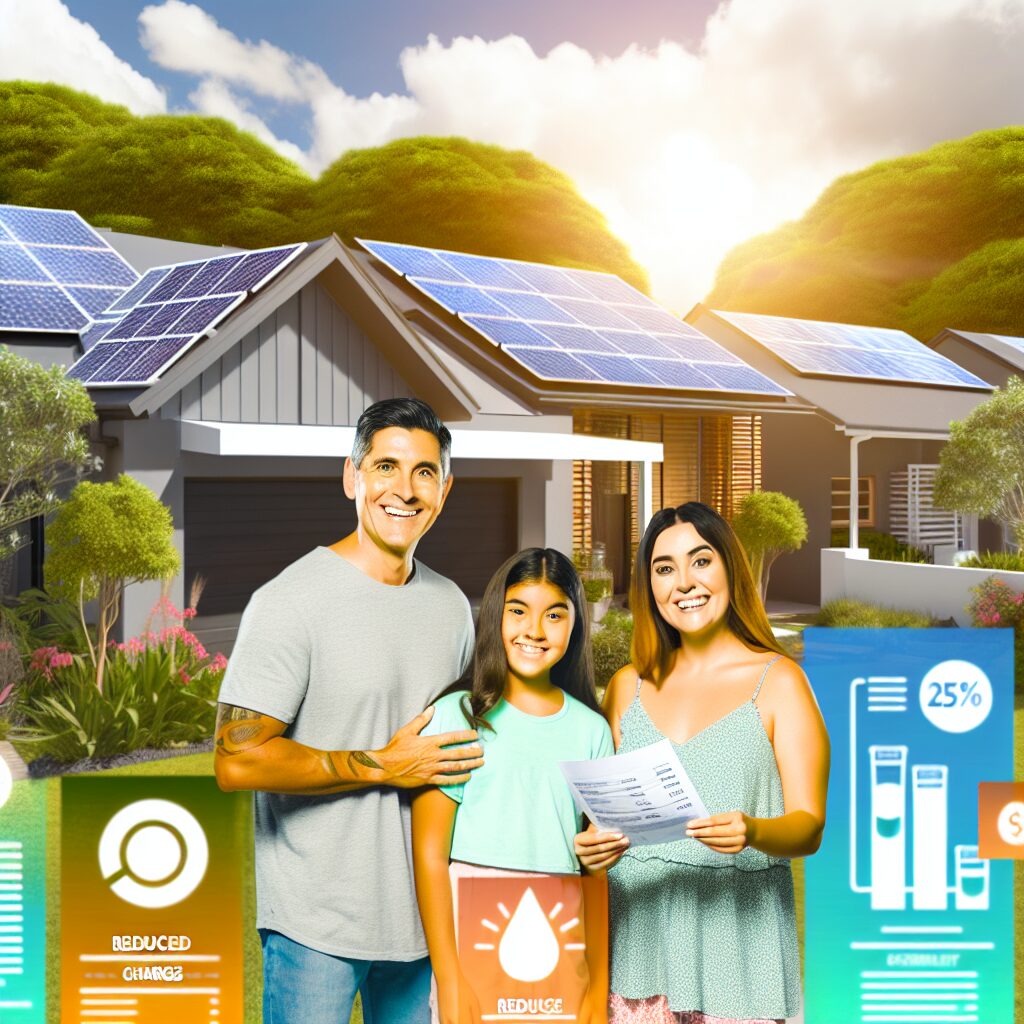
The Reality of Residential Solar: What Homeowners Need to Know
As the demand for clean energy solutions continues to grow, residential solar power has emerged as a viable option for homeowners looking to reduce their carbon footprint and energy costs. Let’s explore the key aspects of residential solar installations and what potential adopters should consider.
Understanding the Economics
The financial aspects of solar installations involve several key components:
- Initial installation costs
- Federal and state tax incentives
- Monthly energy savings
- Potential increase in property value
While the upfront costs can be substantial, many homeowners recover their investment through reduced electricity bills within 5-7 years. The current federal tax credit offers a 30% reduction on installation costs through 2032, making solar more accessible than ever.
Technical Considerations
Before installing solar panels, homeowners should evaluate:
- Roof condition and orientation
- Local climate and sunshine patterns
- Current energy consumption
- Available roof space
A south-facing roof typically provides optimal sun exposure in the Northern Hemisphere. However, east and west-facing installations can still generate significant power throughout the day.
System Components and Maintenance
A residential solar system consists of:
- Solar panels (photovoltaic modules)
- Inverters to convert DC to AC power
- Mounting hardware
- Optional battery storage
Modern solar panels require minimal maintenance, typically limited to occasional cleaning and periodic inspections. Most manufacturers offer 25-year warranties, ensuring long-term reliability.
Grid Connection and Net Metering
Understanding your utility’s policies is crucial. Net metering allows homeowners to:
- Send excess power back to the grid
- Receive credits on utility bills
- Use grid power when needed
- Maintain power during low-production periods
Environmental Impact
Solar power installation significantly reduces household carbon emissions. A typical residential system can:
- Offset 100,000 pounds of carbon dioxide over its lifetime
- Reduce dependence on fossil fuels
- Support local energy independence
- Contribute to cleaner air quality
Making an Informed Decision
Before committing to solar power, homeowners should:
- Obtain multiple quotes from certified installers
- Review local regulations and HOA requirements
- Understand warranty terms
- Calculate potential return on investment
The transition to solar power represents a significant step toward sustainable living and energy independence. While the initial investment requires careful consideration, the long-term benefits often justify the cost for many homeowners.
Analyzed and outlined by Claude-3.5, images by DALL·E 3.
Source
Hydro Review: Installing New Pressure-Relief Valves at the Hoover Plant