
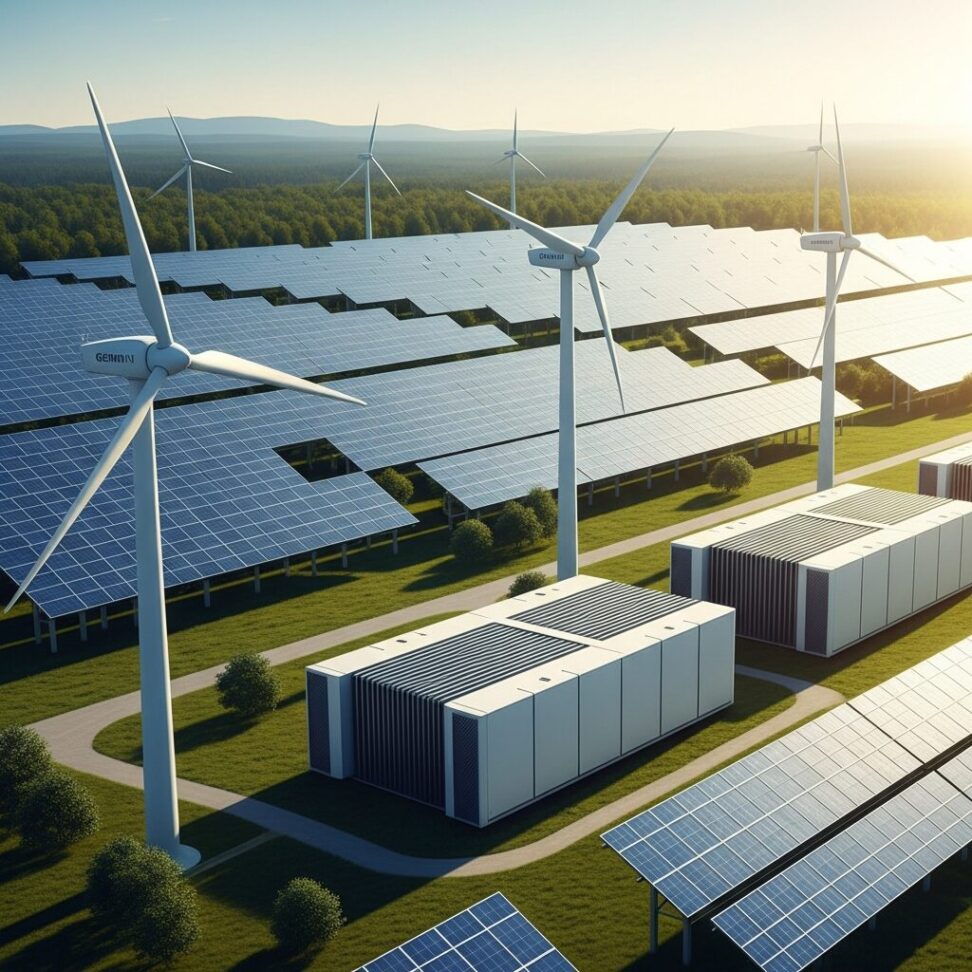
Energy Storage Systems Market Surges With Renewable Energy Integration
The global energy storage systems market is experiencing substantial growth as renewable energy sources become increasingly prevalent in power generation networks worldwide. This expansion reflects the critical role that storage technologies play in managing the intermittent nature of solar and wind power.
Market Dynamics and Growth Projections
Energy storage systems have become essential infrastructure for modern power grids. As countries transition away from fossil fuels, the need for reliable storage solutions has intensified. These systems enable utilities and consumers to store excess energy generated during peak production periods and release it when demand rises or generation drops.
The market encompasses various technologies, including battery energy storage systems, pumped hydro storage, compressed air energy storage, and thermal storage solutions. Each technology serves specific applications and scales, from residential installations to utility-grade facilities.
Driving Forces Behind Market Expansion
Several factors contribute to the rapid growth of the energy storage sector:
- Increased deployment of solar and wind energy installations requiring backup systems
- Government policies and incentives supporting clean energy infrastructure
- Declining costs of battery technologies, particularly lithium-ion systems
- Growing demand for grid stability and reliability
- Rising adoption of electric vehicles creating additional storage capacity
Technology Advancements
Battery technology continues to evolve rapidly, with manufacturers developing solutions that offer higher energy density, longer lifespans, and improved safety features. Lithium-ion batteries currently dominate the market due to their efficiency and decreasing costs. However, alternative technologies such as solid-state batteries, flow batteries, and sodium-ion systems are gaining attention for specific applications.
Research institutions and private companies are investing heavily in next-generation storage technologies. These innovations aim to address current limitations such as capacity degradation, charging times, and environmental concerns related to raw material extraction.
Regional Market Variations
Different regions show varying adoption rates and preferences for energy storage systems. North America and Europe lead in deployment due to supportive regulatory frameworks and substantial renewable energy capacity. Asian markets, particularly China, Japan, and South Korea, are experiencing rapid growth driven by industrial demand and government mandates.
Emerging economies are beginning to recognize the value of energy storage in improving grid reliability and enabling renewable energy integration. These markets present significant opportunities for growth as infrastructure develops and costs continue to decline.
Applications Across Sectors
Energy storage systems serve multiple purposes across different sectors:
- Utility-scale installations supporting grid management and frequency regulation
- Commercial and industrial facilities reducing energy costs through peak shaving
- Residential systems providing backup power and energy independence
- Microgrid applications in remote or island communities
- Transportation sector integration with electric vehicle charging infrastructure
Challenges and Considerations
Despite positive growth trends, the energy storage industry faces several challenges. Initial capital costs remain high for many applications, though financing models and incentive programs help mitigate this barrier. Supply chain constraints for critical materials like lithium, cobalt, and nickel can impact production capacity and costs.
Regulatory frameworks vary significantly between jurisdictions, affecting project economics and deployment timelines. Standardization of safety protocols and performance metrics continues to evolve as the industry matures.
Future Outlook
The trajectory for energy storage systems remains strongly positive as renewable energy generation continues its expansion. Grid operators increasingly recognize storage as essential infrastructure rather than optional enhancement. This shift in perspective drives investment and policy support.
Integration with smart grid technologies and artificial intelligence will optimize storage system performance and create new value streams. Vehicle-to-grid capabilities may transform electric vehicles into distributed storage assets, further expanding market potential.
As technology costs decline and performance improves, energy storage systems will become ubiquitous components of energy infrastructure. This transformation supports broader climate goals while enhancing grid resilience and reliability for consumers and businesses alike.
The convergence of declining renewable energy costs, improving storage technologies, and supportive policies creates favorable conditions for sustained market growth. Industry participants expect this momentum to continue as energy systems worldwide undergo fundamental restructuring toward cleaner, more flexible operations.
Analyzed and outlined by Claude Sonnet 4.5, images by Gemini Imagen 4.
**Source**
https://www.openpr.com/news/4364167/global-energy-storage-system-market-growth-driven-by-renewable