
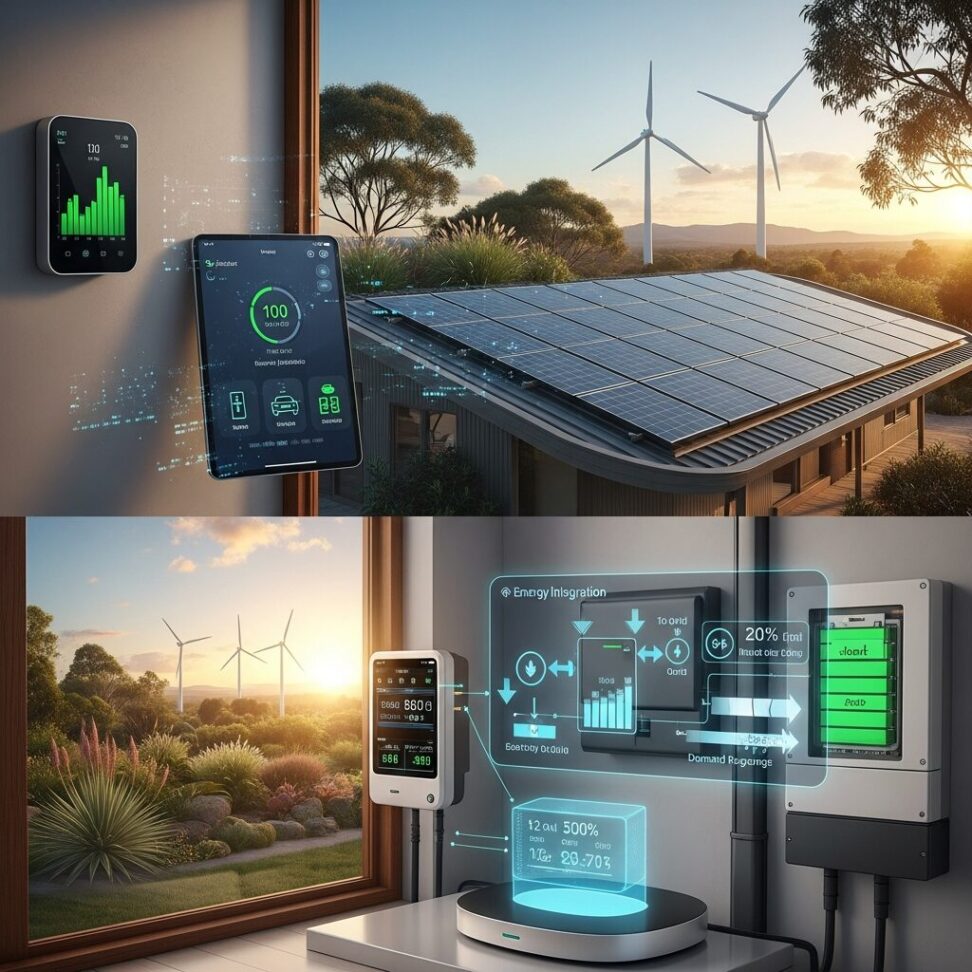
Residential Energy Management Market Growth Projections and Forecast
The residential energy management sector is positioned for substantial expansion over the coming years, driven by increasing consumer awareness about energy efficiency and the integration of smart home technologies. Market analysts predict significant growth as homeowners seek solutions to reduce energy consumption and lower utility costs.
Market Size and Projections
Current industry assessments indicate that the residential energy management market is experiencing a period of robust development. The sector encompasses various technologies and services designed to help households monitor, control, and optimize their energy usage. These systems range from simple smart thermostats to comprehensive home energy management platforms that integrate multiple devices and appliances.
The market growth is attributed to several converging factors, including rising electricity prices, government incentives for energy-efficient home improvements, and the broader adoption of renewable energy sources at the residential level. Solar panel installations combined with energy management systems have become increasingly popular as homeowners look to maximize their return on investment.
Key Technologies Driving Growth
Several technological advances are fueling market expansion:
- Smart meters that provide real-time energy consumption data
- Intelligent thermostats with learning capabilities
- Home automation systems that optimize appliance usage
- Energy storage solutions for solar power systems
- Mobile applications for remote monitoring and control
- Artificial intelligence algorithms for predictive energy management
These technologies work together to create ecosystems that automatically adjust energy consumption based on user preferences, utility rates, and external conditions. The integration of Internet of Things (IoT) devices has made it easier for homeowners to achieve energy savings without sacrificing comfort or convenience.
Regional Market Dynamics
Different geographic regions are experiencing varied adoption rates based on local factors. North America and Europe currently lead in market maturity, supported by established regulatory frameworks and higher consumer awareness. These regions have seen steady implementation of smart grid infrastructure, which complements residential energy management systems.
Asia-Pacific markets are showing rapid growth potential, driven by urbanization, rising disposable incomes, and increasing concerns about air quality and climate change. Countries in this region are investing heavily in smart city initiatives that include residential energy management components.
Regulatory Environment and Incentives
Government policies play a crucial role in shaping market trajectories. Many jurisdictions offer tax credits, rebates, or other financial incentives for homeowners who install energy management systems or upgrade to energy-efficient appliances. Building codes are also evolving to require or encourage the integration of energy monitoring capabilities in new construction.
Utility companies are adapting their business models to accommodate distributed energy resources and demand response programs. Time-of-use pricing structures are becoming more common, creating additional incentives for homeowners to manage their energy consumption patterns strategically.
Consumer Adoption Patterns
Homeowner adoption of energy management systems has been influenced by several factors. The decreasing cost of smart home devices has lowered the barrier to entry, while improved user interfaces have made these systems more accessible to non-technical users. The COVID-19 pandemic also accelerated adoption as people spent more time at home and became more conscious of their utility bills.
Environmental consciousness is another significant driver, particularly among younger homeowners who prioritize sustainability. The ability to track and reduce carbon footprints appeals to consumers who want to make tangible contributions to climate change mitigation.
Challenges and Market Barriers
Despite positive growth indicators, the market faces certain obstacles. Initial installation costs can still be prohibitive for some households, particularly in regions without substantial government incentives. Interoperability issues between devices from different manufacturers can create frustration and limit system effectiveness.
Data privacy and cybersecurity concerns remain relevant as these systems collect detailed information about household activities and energy usage patterns. Industry stakeholders continue to work on standardization efforts and security protocols to address these concerns and build consumer trust.
Future Outlook
The residential energy management market is expected to continue its growth trajectory as technologies mature and become more affordable. Integration with electric vehicle charging systems represents an emerging opportunity, as more households adopt electric vehicles and need to manage charging schedules efficiently.
The evolution toward net-zero energy homes will further drive demand for sophisticated energy management solutions that can balance generation, storage, and consumption seamlessly.
Analyzed and outlined by Claude Sonnet 4.5, images by Gemini Imagen 4.
**Source**
https://www.openpr.com/news/4364635/residential-energy-management-market-is-estimated-to-reach-us