
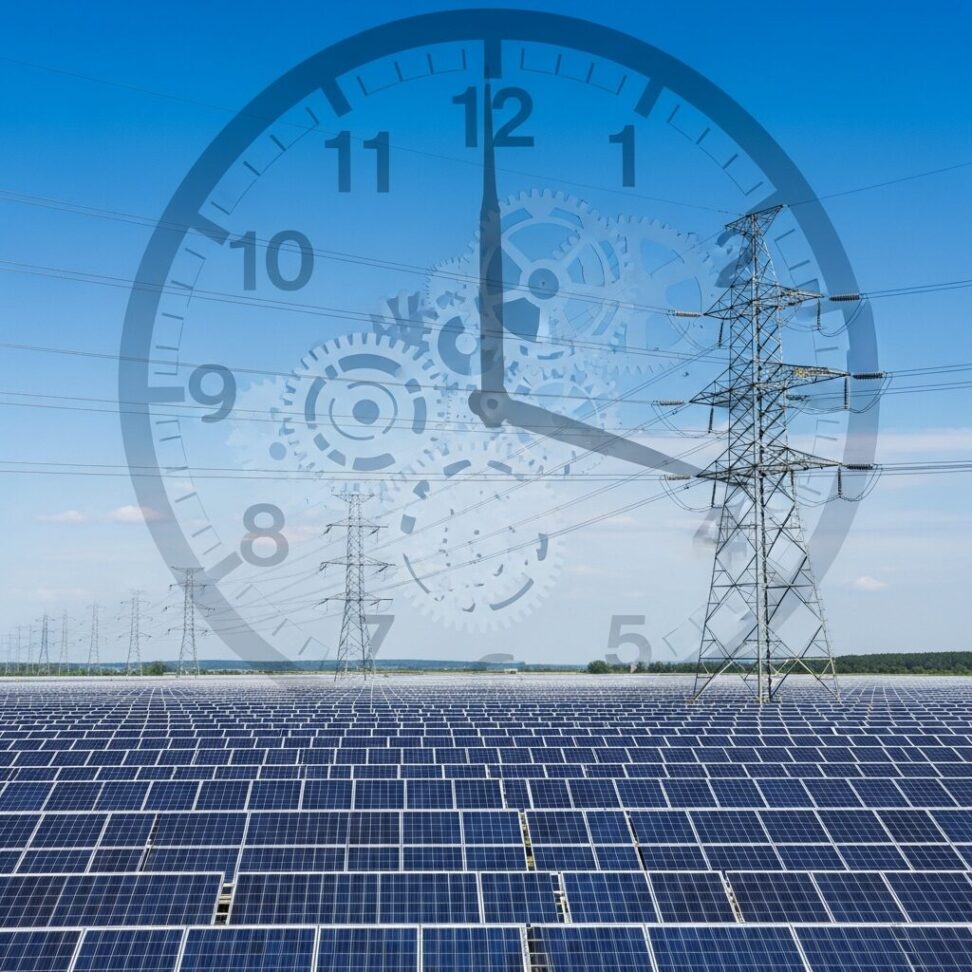
Solar Farm Grid Infrastructure Challenges Require Urgent Government Solutions
The renewable energy sector faces a critical bottleneck that threatens to slow down the transition to clean power. While solar farms continue to be developed at an accelerated pace, the electrical grid infrastructure needed to connect these facilities to consumers is struggling to keep up with demand.
The Growing Infrastructure Gap
Solar energy developers across multiple regions are encountering significant delays in connecting their projects to the existing power grid. The problem stems from outdated transmission systems that were designed decades ago for a centralized fossil fuel-based energy model, not the distributed renewable energy landscape emerging today.
Grid operators report that the queue for new solar projects seeking connection approval has grown substantially, with some facilities waiting years before they can begin delivering electricity to customers. This backlog represents billions of dollars in stalled investment and thousands of megawatts of clean energy capacity sitting idle.
Technical and Financial Barriers
The challenges facing solar farm integration are multifaceted. Existing transmission lines often lack the capacity to handle additional power input, particularly in rural areas where land is available and affordable for large-scale solar installations. Upgrading these lines requires substantial capital investment and complex engineering work.
The costs associated with grid connection have become a major concern for project developers. In some cases, the expense of building new transmission infrastructure or upgrading existing systems can rival the cost of the solar farm itself. These unexpected expenses can make otherwise viable projects financially unfeasible.
Regulatory Complications
The regulatory framework governing grid connections adds another layer of complexity. Multiple agencies and stakeholders must approve connection requests, each with their own requirements and timelines. This bureaucratic maze can extend project development schedules by months or even years.
Permitting processes vary widely between jurisdictions, creating inconsistency that makes planning difficult for developers operating across different regions. Some areas have streamlined their approval procedures, while others maintain cumbersome legacy systems that were never designed to handle the volume of renewable energy projects now seeking connection.
The Need for Government Intervention
Industry experts and renewable energy advocates are calling for urgent government action to address these infrastructure challenges. Without coordinated policy responses, the pace of renewable energy deployment could slow significantly, jeopardizing climate goals and clean energy targets.
Proposed solutions include:
- Increased public funding for transmission infrastructure upgrades
- Streamlined permitting processes with clear timelines and standards
- Incentives for grid operators to prioritize renewable energy connections
- Development of energy storage solutions to manage intermittent solar production
- Regional planning coordination to identify optimal locations for both generation and transmission
Economic Implications
The grid infrastructure bottleneck has significant economic consequences beyond the renewable energy sector. Delayed solar projects mean fewer construction jobs, reduced tax revenues for local communities, and slower progress toward energy independence. Rural areas that could benefit from the economic activity generated by solar farms are particularly affected.
Energy consumers also face impacts, as the inability to bring new clean energy capacity online can contribute to higher electricity prices and continued reliance on fossil fuel generation during peak demand periods.
Looking Forward
Addressing the grid infrastructure challenge requires a coordinated effort between government agencies, utility companies, and renewable energy developers. Several countries and regions have begun implementing comprehensive grid modernization programs, but the pace of change needs to accelerate to match the urgency of climate goals.
Investment in transmission infrastructure should be viewed not as a cost, but as a foundation for the clean energy economy. Modern, flexible grid systems capable of handling distributed renewable energy sources will be essential for achieving decarbonization targets while maintaining reliable electricity service.
The solar industry has demonstrated its ability to scale rapidly and reduce costs dramatically over the past decade. Now, the supporting infrastructure must catch up. With appropriate government support and policy frameworks, the grid connection bottleneck can be resolved, allowing solar energy to fulfill its potential as a cornerstone of the global energy transition.
Analyzed and outlined by Claude Sonnet 4.5, images by Gemini Imagen 4.
**Source**
https://ca.news.yahoo.com/grid-needs-sorting-solar-farm-064245581.html