
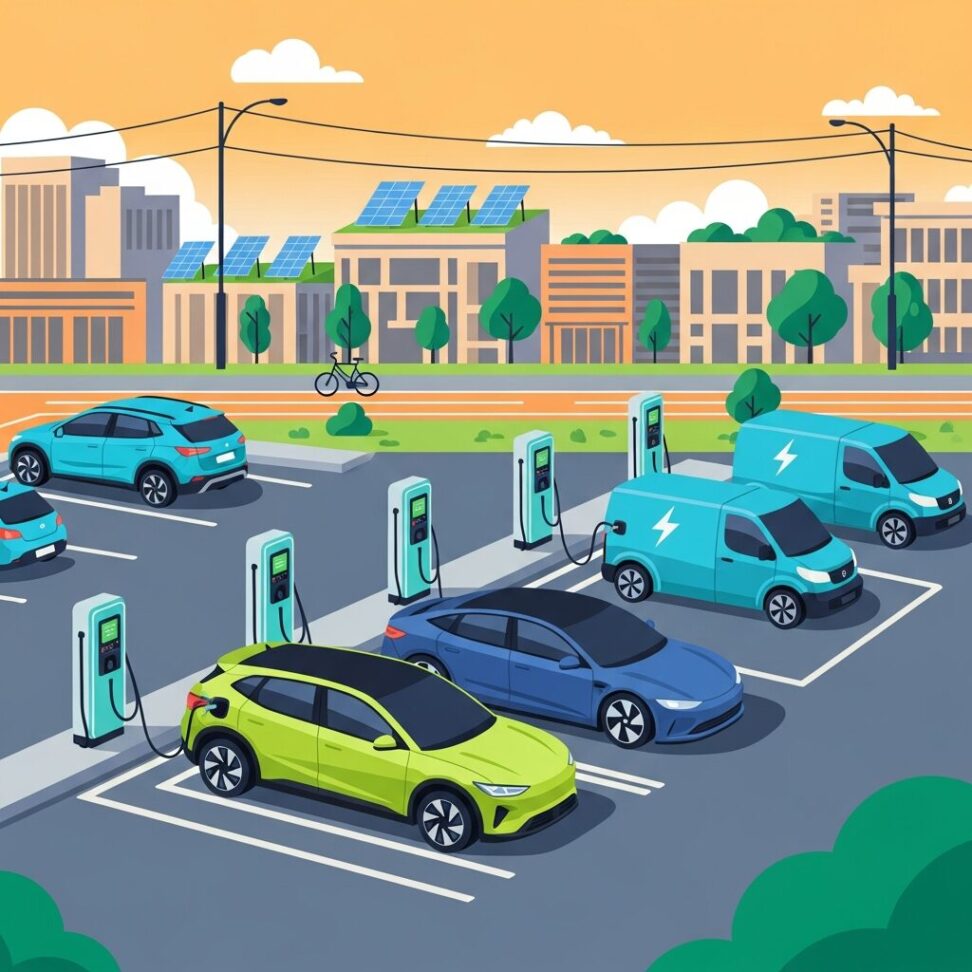
Electric Vehicle Revolution: Shaping Tomorrow’s Sustainable Transportation Today
The transportation sector stands at a pivotal moment as electric vehicles continue to gain momentum across global markets. This shift represents more than just a change in how cars are powered—it signals a fundamental transformation in how society approaches mobility and environmental responsibility.
The Current State of Electric Mobility
Electric vehicles have moved from niche products to mainstream options for consumers worldwide. Major automotive manufacturers have committed billions of dollars to electrification programs, with many announcing plans to phase out internal combustion engines entirely within the next decade. The infrastructure supporting this transition has expanded rapidly, with charging stations becoming increasingly common in urban centers and along major transportation corridors.
Battery technology has improved substantially, addressing early concerns about range and charging times. Modern electric vehicles can travel hundreds of miles on a single charge, making them viable for daily commutes and longer journeys alike. Fast-charging capabilities have reduced wait times significantly, with some systems capable of adding substantial range in just minutes.
Environmental Impact and Climate Goals
The adoption of electric vehicles plays a critical role in reducing greenhouse gas emissions from the transportation sector. Unlike traditional vehicles that burn fossil fuels, electric cars produce zero direct emissions during operation. When powered by renewable energy sources, their environmental footprint decreases even further.
Cities experiencing severe air quality issues have taken particular interest in promoting electric vehicle adoption. Reduced tailpipe emissions contribute to cleaner air in dense urban environments, benefiting public health and quality of life. This has led many municipalities to implement incentive programs and preferential policies for electric vehicle owners.
Economic Considerations
The total cost of ownership for electric vehicles has become increasingly competitive with conventional cars. While the initial purchase price may still be higher in some cases, lower fuel and maintenance costs often offset this difference over the vehicle’s lifetime. Electric motors have fewer moving parts than internal combustion engines, resulting in reduced maintenance requirements and expenses.
Government incentives in various countries have helped bridge the price gap, making electric vehicles accessible to a broader range of consumers. Tax credits, rebates, and reduced registration fees encourage adoption while supporting the growth of domestic manufacturing capabilities.
Challenges and Opportunities
Despite substantial progress, several obstacles remain in the path toward widespread electric vehicle adoption. Charging infrastructure needs continued expansion, particularly in rural areas and regions with lower population density. The electrical grid must adapt to handle increased demand as more vehicles plug in for charging.
Supply chain concerns have emerged as demand for batteries and critical minerals has surged. Lithium, cobalt, and other materials essential for battery production face potential supply constraints. Industry leaders are exploring alternative battery chemistries and investing in recycling programs to address these challenges.
Looking Ahead
The trajectory of electric vehicle development suggests continued growth in the coming years. Technological advances promise even better performance, longer range, and faster charging times. New vehicle segments, including electric trucks and commercial vehicles, are entering the market and expanding the reach of electrification.
Autonomous driving technology is developing alongside electrification, potentially creating synergies between these two trends. Electric powertrains may prove particularly well-suited for self-driving vehicles, which could operate as shared mobility services in urban areas.
The integration of vehicles with smart grid technology opens possibilities for bidirectional charging, where cars can supply power back to the grid during peak demand periods. This could help stabilize electrical systems and make renewable energy sources more practical by providing distributed storage capacity.
A Sustainable Future
The transition to electric vehicles represents a crucial step toward sustainable transportation systems. Success will require continued collaboration among manufacturers, governments, utility companies, and consumers. Infrastructure development, policy support, and technological innovation must advance in concert to realize the full potential of electric mobility.
As this transformation unfolds, the benefits extend beyond individual vehicle owners to society as a whole. Cleaner air, reduced carbon emissions, and decreased dependence on fossil fuels contribute to a more sustainable future for all. The electric vehicle revolution is not simply about changing what powers our cars—it is about reimagining transportation for generations to come.
Analyzed and outlined by Claude Sonnet 4.5, images by Gemini Imagen 4.
**Source**
https://www.evworld.com/index.php?rssID=110394