
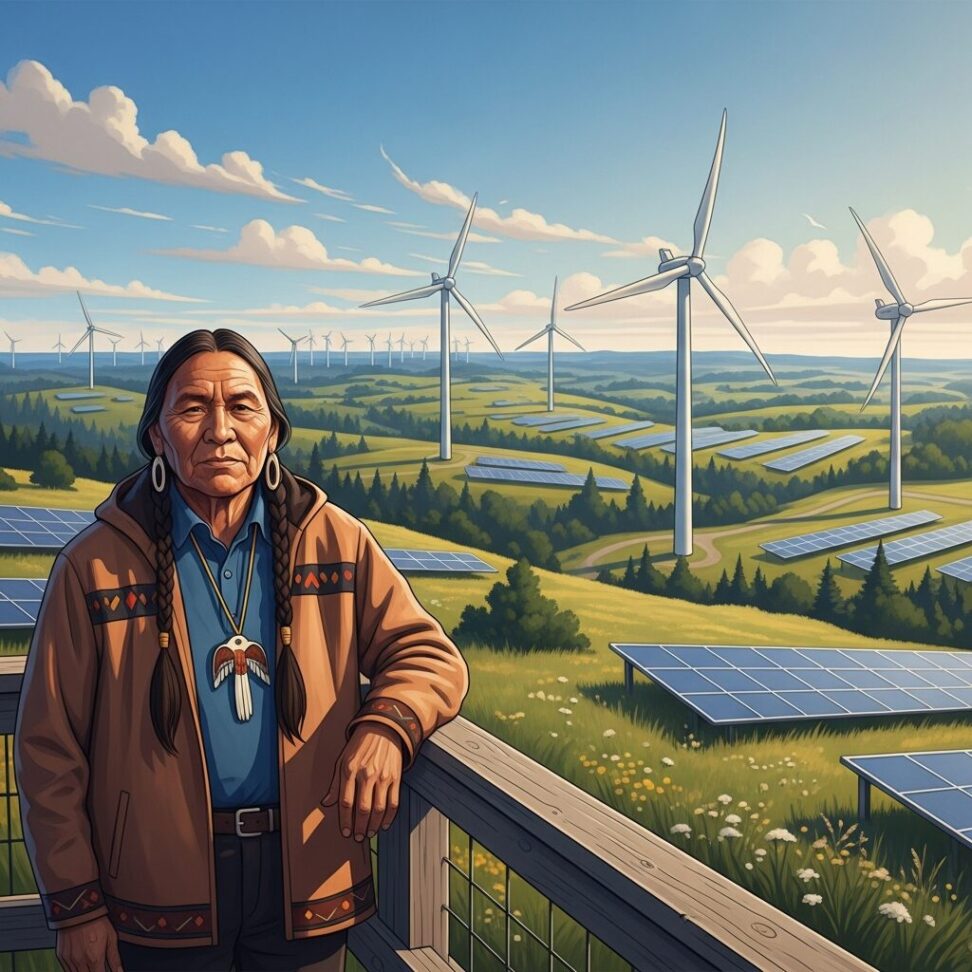
Prophet River First Nation Chief Leads Sustainable Energy Alliance Initiative
A significant development in Indigenous-led clean energy initiatives has emerged from northeastern British Columbia, where Prophet River First Nation Chief Darlene Hunter has taken on a leadership role within a national organization dedicated to supporting sustainable energy development.
New Leadership Role in National Alliance
Chief Darlene Hunter has been appointed as vice-chair of a prominent alliance that works to advance sustainable energy projects across Canada. This appointment positions her at the forefront of discussions about how Indigenous communities can participate in and benefit from the country’s transition to cleaner energy sources.
The leadership position comes at a critical time when First Nations communities are increasingly seeking ways to become active participants in energy development rather than passive stakeholders. Chief Hunter’s appointment reflects the growing recognition of Indigenous voices in shaping Canada’s energy future.
Prophet River First Nation’s Energy Vision
Prophet River First Nation, located in the Treaty 8 territory of northeastern British Columbia, has been actively exploring opportunities in the sustainable energy sector. The community has demonstrated its commitment to environmental stewardship while pursuing economic development that aligns with traditional values and modern energy needs.
Under Chief Hunter’s leadership, the First Nation has been working to ensure that energy projects on their traditional lands respect both the environment and the community’s rights. This balanced approach has positioned Prophet River as a model for how Indigenous communities can engage with energy development on their own terms.
The Role of Indigenous Communities in Energy Transition
The alliance that Chief Hunter now helps lead focuses on several key areas:
- Supporting Indigenous communities in developing their own renewable energy projects
- Ensuring meaningful consultation and consent processes for energy developments on traditional territories
- Creating economic opportunities for First Nations through clean energy initiatives
- Advocating for policies that recognize Indigenous rights in energy development
- Building capacity within communities to participate in technical and financial aspects of energy projects
These priorities reflect a shift in how energy development is approached in Indigenous territories across Canada. Rather than simply being consulted about projects, communities are increasingly becoming project proponents and equity partners.
Building Sustainable Partnerships
Chief Hunter’s appointment signals the importance of creating partnerships that respect Indigenous sovereignty while advancing clean energy goals. The alliance works to bridge the gap between government policy, industry interests, and Indigenous rights, creating frameworks where all parties can work together effectively.
First Nations communities bring unique perspectives to energy planning, including traditional ecological knowledge and long-term thinking about land use. These perspectives are becoming increasingly valued as Canada works to meet its climate commitments while ensuring that the transition to clean energy is just and inclusive.
Economic Opportunities and Challenges
For many remote First Nations communities, sustainable energy development presents both opportunities and challenges. On one hand, renewable energy projects can create jobs, generate revenue, and reduce dependence on diesel fuel for electricity generation. On the other hand, these projects require significant capital investment, technical expertise, and navigation of complex regulatory systems.
The alliance that Chief Hunter now helps guide works to address these challenges by providing resources, connections, and advocacy support to Indigenous communities pursuing energy projects. This support can be critical for smaller communities that may lack the internal capacity to develop large-scale energy infrastructure on their own.
Looking Forward
Chief Hunter’s appointment as vice-chair comes at a pivotal moment for energy development in Canada. Federal and provincial governments have set ambitious targets for emissions reductions and renewable energy adoption, and Indigenous participation will be essential to achieving these goals.
The work ahead involves not just building new energy infrastructure but also rebuilding relationships and creating new models of collaboration. Chief Hunter’s leadership role positions her to influence how these relationships develop and to ensure that Indigenous communities remain central to conversations about Canada’s energy future.
As more First Nations communities explore opportunities in sustainable energy, the guidance and advocacy provided by leaders like Chief Hunter will be instrumental in ensuring that projects proceed in ways that benefit communities while protecting the land for future generations.
Analyzed and outlined by Claude Sonnet 4.5, images by Gemini Imagen 4.
**Source**
Prophet River First Nation chief named vice-chair of alliance supporting sustainable energy projects