
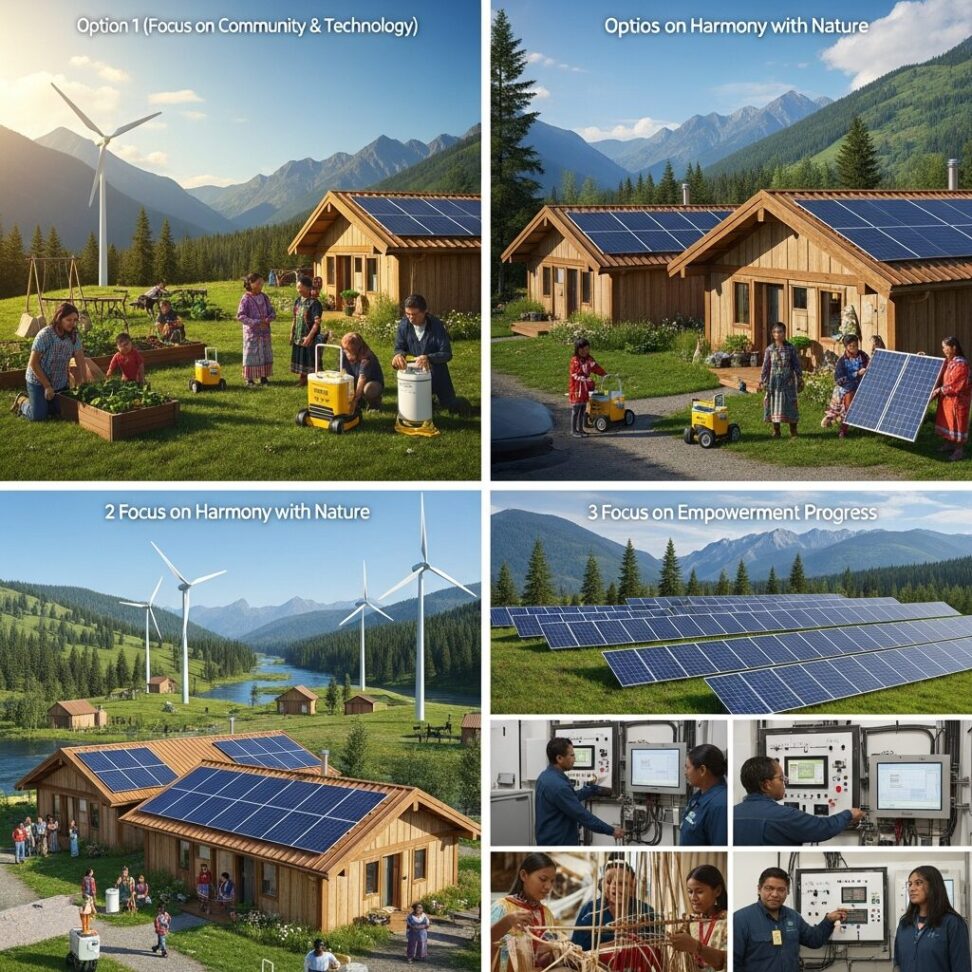
Indigenous Clean Energy Projects Transform Canada’s Power Grid
Canada’s energy landscape is experiencing a significant shift as Indigenous communities take leading roles in clean energy development across the country. These projects are not only contributing to national climate goals but also creating economic opportunities and energy sovereignty for First Nations, Métis, and Inuit communities.
A Growing Movement Toward Energy Independence
Indigenous communities are increasingly becoming key players in Canada’s transition to renewable energy. From solar farms on prairie reserves to hydroelectric projects in remote northern regions, these initiatives represent both environmental progress and economic self-determination. The movement reflects a broader trend of Indigenous peoples reclaiming control over their traditional territories and natural resources.
Economic Impact and Job Creation
Clean energy projects led by Indigenous communities are generating substantial economic benefits. These developments create employment opportunities in construction, maintenance, and management phases, often in regions where jobs have historically been scarce. The revenue generated from these projects flows directly into communities, funding essential services like education, healthcare, and infrastructure improvements.
Beyond immediate employment, these projects build technical capacity within communities. Training programs associated with renewable energy installations equip community members with valuable skills in emerging sectors, positioning them for long-term career opportunities in the growing green economy.
Reducing Reliance on Diesel
Many remote Indigenous communities in Canada have long depended on diesel generators for electricity, resulting in high costs and significant carbon emissions. Clean energy projects are helping these communities transition away from diesel dependence. Solar panels, wind turbines, and battery storage systems provide cleaner, more cost-effective alternatives while reducing the logistical challenges of fuel transportation to isolated areas.
This transition carries particular importance for northern communities where diesel transportation costs are substantial and environmental risks associated with fuel spills are high. The shift to renewable energy sources enhances energy security while protecting local ecosystems.
Partnerships and Collaboration
Successful Indigenous clean energy projects often involve partnerships between communities, provincial and federal governments, and private sector companies. These collaborative arrangements provide access to funding, technical expertise, and grid connections necessary for large-scale developments.
However, Indigenous-led projects differ from traditional energy developments in fundamental ways. Community consultation occurs from project inception, and Indigenous knowledge systems inform decision-making processes. This approach ensures developments align with community values and long-term sustainability goals.
Contributing to National Climate Targets
Indigenous clean energy projects play a role in helping Canada meet its climate commitments. As the country works toward reducing greenhouse gas emissions, the renewable energy capacity developed by Indigenous communities contributes to the overall clean energy mix. These projects demonstrate how climate action and reconciliation can advance together.
Challenges and Barriers
Despite progress, Indigenous communities still face obstacles in developing clean energy projects. Access to capital remains a significant challenge, as many communities lack the collateral required for traditional financing. Regulatory processes can be complex and time-consuming, particularly for communities navigating multiple levels of government approval.
Grid connection presents another barrier, especially for remote communities. The infrastructure required to connect renewable energy projects to existing power grids involves substantial investment and technical coordination. Some communities continue to operate in isolation from main electrical grids, limiting their ability to sell excess power.
Looking Forward
The expansion of Indigenous-led clean energy projects signals a new chapter in Canada’s energy sector. As more communities develop renewable energy capacity, they establish models that other Indigenous nations can follow. Policy changes at federal and provincial levels increasingly recognize the importance of supporting Indigenous clean energy development through dedicated funding programs and streamlined approval processes.
The transformation underway extends beyond megawatts and emissions reductions. These projects represent Indigenous self-determination, environmental stewardship rooted in traditional knowledge, and practical reconciliation through economic partnership. As Canada’s power grid continues evolving, Indigenous communities are positioned not as passive participants but as active leaders shaping the country’s energy future.
The success of these initiatives demonstrates that climate solutions and Indigenous rights can advance in tandem, creating benefits that extend across environmental, economic, and social dimensions.
Analyzed and outlined by Claude Sonnet 4.5, images by Gemini Imagen 4.
**Source**
https://www.cbc.ca/news/indigenous/indigenous-clean-energy-climate-targets-9.7098216