
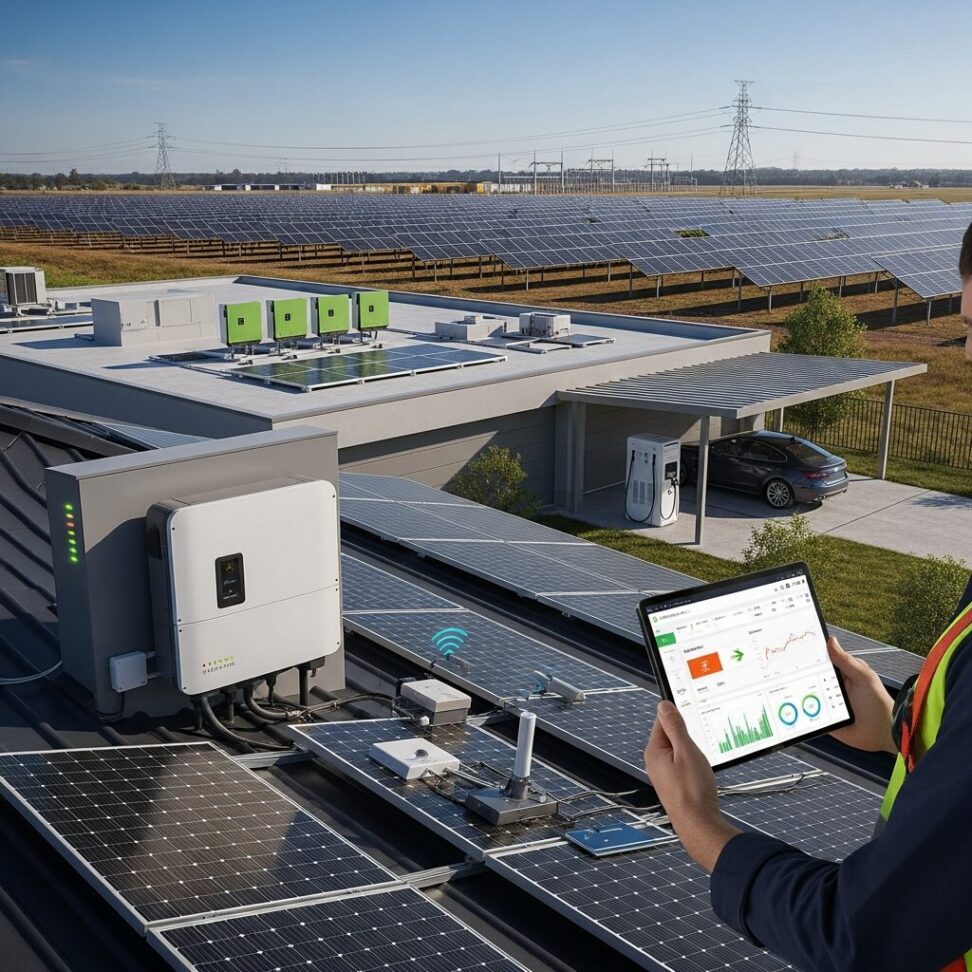
Smart Solar Market Growth Forecast: $62.3 Billion by 2030
The smart solar market is entering a period of substantial expansion, with projections indicating the sector will reach $62.3 billion by 2030. This growth trajectory reflects the increasing integration of digital technologies with renewable energy systems, as utilities and consumers seek greater efficiency and control over solar power generation.
Market Drivers and Expansion Factors
Several key elements are propelling the smart solar market forward. The convergence of Internet of Things (IoT) capabilities with photovoltaic systems has created opportunities for real-time monitoring and optimization. Smart solar installations now incorporate advanced sensors, machine learning algorithms, and cloud-based analytics platforms that enable predictive maintenance and performance enhancement.
Government incentives and regulatory frameworks supporting renewable energy adoption continue to play a significant role in market expansion. Many countries have implemented net metering policies and tax benefits that make smart solar installations financially attractive for both residential and commercial applications.
Technology Integration and System Components
Modern smart solar systems extend beyond traditional photovoltaic panels. The market encompasses several interconnected components:
- Intelligent inverters with grid communication capabilities
- Battery storage systems with automated charge management
- Energy management software platforms
- Smart meters and monitoring devices
- Predictive analytics tools for system optimization
These components work together to create responsive energy ecosystems that can adapt to changing conditions, maximize energy production, and minimize waste. The ability to track performance metrics and identify issues before they become critical has reduced maintenance costs and extended system lifespans.
Regional Market Dynamics
Geographic variations in market growth reflect different stages of renewable energy adoption and varying policy environments. North America and Europe currently represent mature markets with established infrastructure and high rates of smart technology integration. Asia-Pacific regions are experiencing rapid growth driven by large-scale installations and government commitments to carbon reduction targets.
Emerging markets in Latin America and Africa present significant growth potential as solar costs decline and digital infrastructure expands. These regions often face grid reliability challenges that smart solar systems can help address through distributed generation and localized energy management.
Commercial and Residential Applications
The commercial sector accounts for a substantial portion of smart solar installations. Businesses use these systems to reduce operating costs, meet sustainability goals, and gain energy independence. Large-scale commercial projects often incorporate sophisticated energy management platforms that optimize consumption patterns and enable participation in demand response programs.
Residential adoption has increased as system costs have decreased and consumer awareness has grown. Homeowners can now monitor their energy production and consumption through smartphone applications, adjust usage patterns to maximize solar utilization, and even participate in virtual power plant networks that aggregate distributed resources.
Challenges and Market Constraints
Despite positive growth projections, the smart solar market faces several obstacles. Initial installation costs remain a barrier for many potential adopters, although declining technology prices and financing options are gradually addressing this concern. The complexity of integrating multiple system components and ensuring interoperability between devices from different manufacturers can complicate installations.
Cybersecurity concerns have emerged as systems become more connected and dependent on digital communications. Protecting smart solar infrastructure from potential attacks requires ongoing investment in security protocols and system hardening.
Future Outlook and Innovation Trends
The path toward the projected $62.3 billion market value will likely involve continued technological innovation. Artificial intelligence applications are becoming more sophisticated, enabling better forecasting of energy production based on weather patterns and historical data. Blockchain technology is being explored for peer-to-peer energy trading platforms that could transform how solar energy is distributed and monetized.
The integration of electric vehicle charging infrastructure with smart solar systems represents another growth avenue. As EV adoption increases, the ability to charge vehicles using solar energy during optimal production periods becomes increasingly valuable.
Grid modernization efforts in many countries will create additional opportunities for smart solar integration. As utilities invest in smart grid infrastructure, the ability to coordinate distributed solar resources becomes more feasible, potentially leading to new service models and revenue streams for system owners.
The smart solar market’s growth through 2030 reflects broader trends in energy system transformation. As technology costs decline and capabilities expand, smart solar installations are transitioning from niche applications to mainstream energy solutions that offer tangible benefits for users and the broader electrical grid.
Analyzed and outlined by Claude Sonnet 4.5, images by Gemini Imagen 4.
**Source**
https://www.altenergymag.com/news/2026/03/06/smart-solar-market-to-reach-usd-623-billion-by-2030-trends-solutions-forecast/46861