
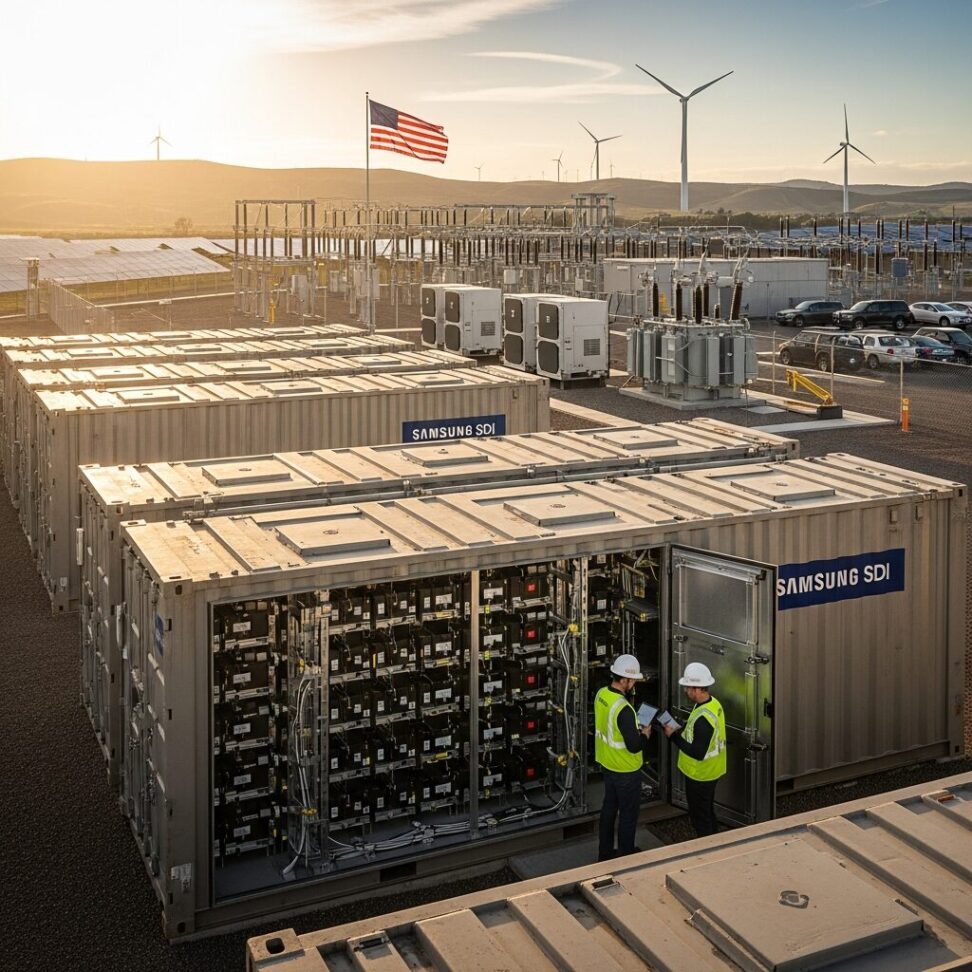
Samsung SDI Secures $1.1 Billion Energy Storage Deal Amid EV Slowdown
Samsung SDI, the battery manufacturing division of South Korean tech giant Samsung Group, has landed a significant $1.1 billion contract to supply energy storage systems in the United States. This development comes at a critical time when the electric vehicle market is experiencing a notable deceleration in growth.
Strategic Pivot to Energy Storage
The substantial deal represents a strategic shift for Samsung SDI as the company diversifies its revenue streams beyond the electric vehicle battery sector. With demand for EV batteries facing headwinds due to slower-than-expected adoption rates and market saturation concerns, energy storage systems have emerged as a promising alternative growth avenue.
Samsung SDI specializes in producing lithium-ion batteries and energy storage solutions for various applications, including electric vehicles, consumer electronics, and grid-scale power storage. The company operates as a key subsidiary within the Samsung conglomerate and has established itself as one of the leading battery manufacturers globally.
Details of the Contract
The $1.1 billion agreement will see Samsung SDI providing energy storage systems for deployment across the United States market. These systems are designed to store electricity generated from renewable sources such as solar and wind power, helping to stabilize power grids and provide backup energy during peak demand periods or outages.
The deal underscores the growing importance of energy storage infrastructure as countries transition toward renewable energy sources. Energy storage systems play a crucial role in addressing the intermittent nature of solar and wind power, making renewable energy more reliable and practical for widespread use.
Industry Context and Market Trends
The electric vehicle market has recently shown signs of cooling after years of rapid expansion. Several factors contribute to this slowdown:
- Consumer hesitation due to high vehicle prices and limited charging infrastructure
- Economic uncertainty affecting large purchase decisions
- Market saturation in early-adopter segments
- Competition from hybrid vehicles offering a middle-ground solution
These challenges have prompted battery manufacturers to explore alternative markets where their technology can generate revenue and support sustainable energy initiatives.
Energy Storage Market Opportunity
The energy storage sector presents substantial growth potential as governments worldwide commit to renewable energy targets. The United States has implemented various incentives and policies to encourage the development of energy storage infrastructure, including provisions within the Inflation Reduction Act.
Grid-scale battery storage installations have increased dramatically as utilities and independent power producers seek solutions to manage renewable energy integration. These systems provide multiple benefits:
- Smoothing out power supply fluctuations from renewable sources
- Reducing reliance on fossil fuel peaker plants
- Enhancing grid resilience and reliability
- Enabling greater renewable energy penetration
Competitive Landscape
Samsung SDI faces competition from other major battery manufacturers including LG Energy Solution, CATL, and BYD, all of whom are also expanding their energy storage offerings. The sector has become increasingly competitive as companies recognize the market potential beyond automotive applications.
The company’s success in securing this contract demonstrates its technical capabilities and competitive positioning in the energy storage segment. It also reflects confidence from U.S. buyers in Samsung SDI’s ability to deliver reliable, high-performance battery systems at scale.
Implications for Samsung SDI
This contract provides Samsung SDI with several strategic advantages. The deal offers revenue stability during a period of uncertainty in the EV market and helps the company maintain production capacity utilization at its manufacturing facilities. Additionally, it strengthens Samsung SDI’s position in the North American market, where energy storage demand is expected to continue growing.
The diversification strategy may serve as a blueprint for other battery manufacturers facing similar challenges in the EV sector. As the energy transition continues, companies with flexible production capabilities that can serve multiple markets are likely to maintain stronger competitive positions.
Looking Ahead
While the electric vehicle market slowdown presents near-term challenges, industry analysts expect EV adoption to resume growth as prices decline, charging infrastructure expands, and newer models with improved range become available. In the meantime, energy storage contracts like this one provide battery manufacturers with alternative revenue sources that support the broader clean energy transition.
Samsung SDI’s ability to secure major energy storage contracts while maintaining its EV battery business positions the company to benefit from multiple facets of the electrification and decarbonization trends reshaping the global energy landscape.
Analyzed and outlined by Claude Sonnet 4.5, images by Gemini Imagen 4.
**Source**
https://en.sedaily.com/finance/2026/03/16/samsung-sdi-wins-11b-us-ess-deal-as-ev-slowdown-shifts-focus