
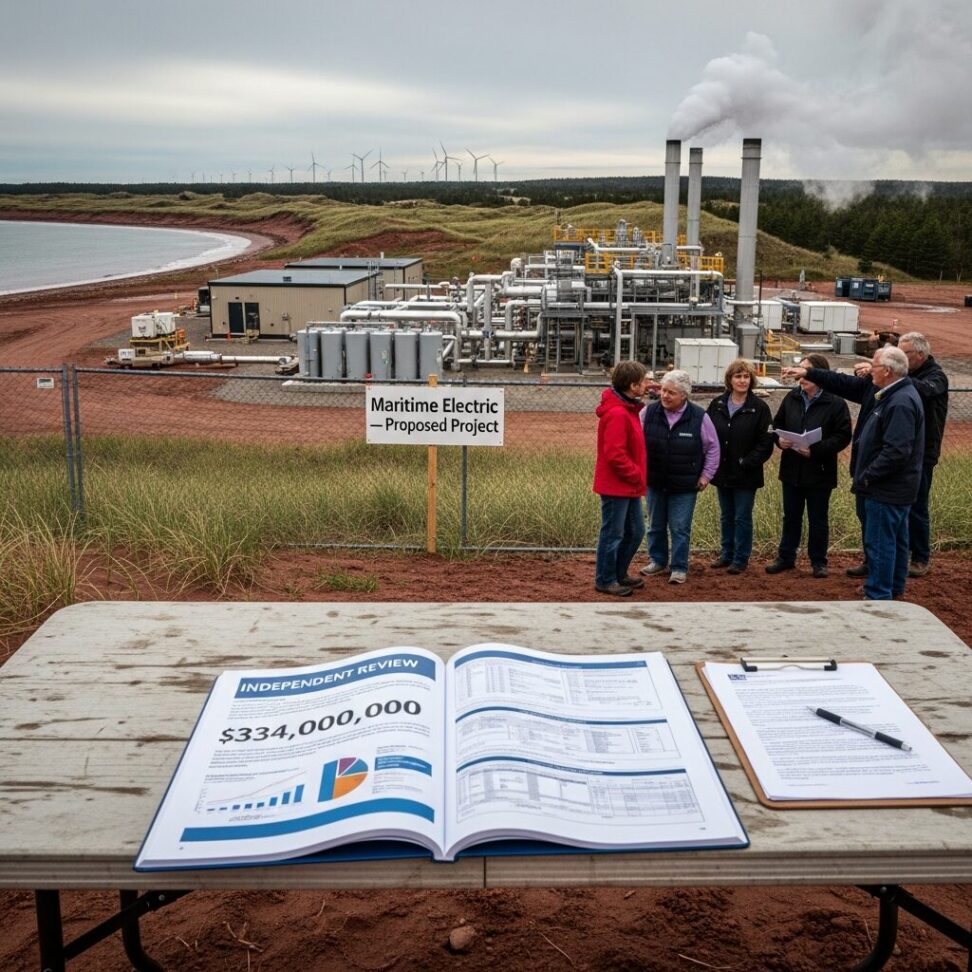
Maritime Electric’s $334 Million Diesel Project Under Independent Review Scrutiny
A significant infrastructure proposal by Maritime Electric has come under intense examination as an independent review raises critical questions about the utility’s plan to invest $334 million in diesel-fired turbine technology in Prince Edward Island. The proposal arrives at a time when renewable energy transitions are becoming increasingly urgent across Canada.
About Maritime Electric
Maritime Electric is the principal electric utility serving Prince Edward Island, providing power distribution services to approximately 86,000 customers across Canada’s smallest province. As a subsidiary of Fortis Inc., one of North America’s largest investor-owned distribution utilities, the company plays a central role in the island’s energy infrastructure and future planning.
The Controversial Diesel Turbine Proposal
The substantial investment in diesel-fired turbine infrastructure has sparked debate among energy advocates, environmental groups, and policy analysts. At a time when jurisdictions worldwide are moving away from fossil fuel-based power generation, the proposal to commit over a third of a billion dollars to diesel technology has raised eyebrows throughout the renewable energy sector.
The independent review process has brought several concerns to light regarding the project’s long-term viability and alignment with climate action commitments. Questions center on whether this investment represents the most effective use of resources for meeting Prince Edward Island’s energy needs while addressing climate change obligations.
Climate Action Network’s Involvement
The Climate Action Network has been vocal in highlighting concerns emerging from the independent review. The organization has emphasized the need for careful consideration of alternatives that would better align with Canada’s climate targets and the global transition to clean energy sources.
The network’s analysis suggests that the province may have more sustainable and economically viable options available that could provide energy security without locking in fossil fuel infrastructure for decades to come.
Energy Security Considerations
Prince Edward Island faces unique energy challenges due to its island geography and relatively small population base. Energy security and reliability are legitimate concerns that must be balanced against environmental objectives and long-term cost considerations.
The province’s energy needs include:
- Reliable baseload power generation capacity
- Backup systems for emergency situations
- Grid stability during peak demand periods
- Integration capacity for intermittent renewable sources
Alternative Energy Solutions
Critics of the diesel turbine proposal point to several alternative approaches that could meet the island’s energy needs while supporting climate objectives. These alternatives include expanding wind energy capacity, developing battery storage systems, strengthening interconnection with mainland power grids, and investing in demand management programs.
The independent review process has opened discussions about whether these alternatives received adequate consideration during the planning phase. Energy experts suggest that a combination of renewable generation and storage technology could potentially provide comparable reliability at competitive costs while avoiding long-term fossil fuel commitments.
Economic and Environmental Implications
The financial commitment of $334 million represents a significant portion of Maritime Electric’s capital planning and will likely impact electricity rates for island residents for years to come. The economic analysis must consider not only construction and fuel costs but also the risk of stranded assets as carbon pricing mechanisms evolve and renewable technology costs continue to decline.
Environmental implications extend beyond direct emissions from the turbines. The proposal’s approval or rejection will signal Prince Edward Island’s direction on energy policy and could influence similar decisions in other Canadian jurisdictions facing comparable challenges.
The Path Forward
The independent review process serves as a critical checkpoint in the decision-making process. Regulators must weigh Maritime Electric’s arguments for the project against concerns raised by environmental advocates and alternative proposals from energy planning experts.
The outcome of this review will have lasting consequences for Prince Edward Island’s energy landscape. It will determine whether the province commits to fossil fuel infrastructure or pursues a path more aligned with renewable energy transition goals embraced by other Canadian provinces and territories.
As the review continues, stakeholders from across the energy sector are watching closely. The decision will likely set precedents for how island jurisdictions balance energy security needs with climate commitments in an era of rapid technological change and increasing climate urgency.
Analyzed and outlined by Claude Sonnet 4.5, images by Gemini Imagen 4.
**Source**