
Bidirectional EV Charging Growth: V2G Solutions Transform North American Homes
The electric vehicle landscape is entering a new phase as bidirectional charging technology gains momentum across North America. This development allows EV batteries to not only draw power from the grid but also return it, turning vehicles into mobile energy storage units that can power homes and support electrical infrastructure.
Understanding Vehicle-to-Grid Technology
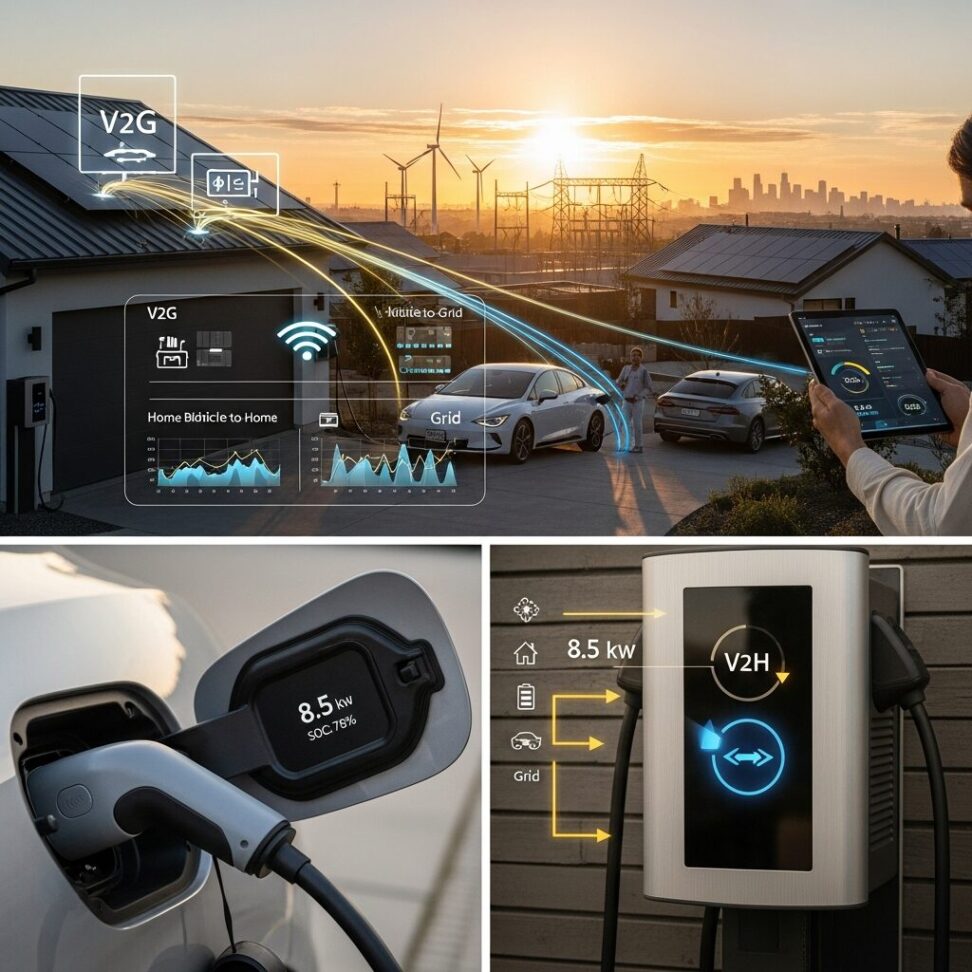
Bidirectional charging, often referred to as Vehicle-to-Grid (V2G) technology, represents a significant shift in how we think about electric vehicles. Rather than functioning solely as energy consumers, EVs equipped with this technology can serve as distributed energy resources. During peak demand periods or power outages, these vehicles can discharge stored electricity back into homes or the broader electrical grid.
The technology operates through specialized charging equipment that manages the flow of electricity in both directions. This creates opportunities for EV owners to participate in energy markets, potentially reducing electricity costs while contributing to grid stability.
Market Expansion in North America
The North American market is experiencing substantial growth in bidirectional EV charging adoption. Several factors are driving this expansion:
- Increasing frequency of extreme weather events leading to power disruptions
- Rising electricity costs prompting consumers to seek alternative energy solutions
- Growing EV adoption rates creating a larger pool of potential V2G participants
- Utility companies exploring demand response programs that leverage EV batteries
Residential applications are particularly promising, as homeowners recognize the value of having backup power capabilities. An EV with V2G functionality can keep essential household systems running during outages, offering peace of mind in regions prone to severe weather or grid instability.
Infrastructure and Equipment Development
The deployment of bidirectional charging requires specific hardware and software solutions. Charging stations must be equipped with inverters capable of converting DC battery power to AC power suitable for household use or grid injection. Smart charging systems coordinate these operations, ensuring batteries are charged when electricity is cheapest and discharged when it provides maximum value.
Several automotive manufacturers are now producing vehicles with native bidirectional charging capabilities. This represents a departure from earlier EV models that only supported one-way charging. As more manufacturers incorporate this feature into their vehicle lineups, the technology becomes more accessible to average consumers.
Regulatory and Utility Support
Policy frameworks are evolving to accommodate bidirectional charging systems. Regulatory bodies across North America are developing standards and guidelines that govern how EVs interact with the electrical grid. These regulations address safety concerns, grid connection requirements, and compensation mechanisms for energy provided by vehicle owners.
Utility companies are launching pilot programs to test V2G integration at scale. These initiatives help utilities understand how vehicle batteries can supplement traditional grid infrastructure, particularly during peak demand periods. Some programs offer financial incentives to participants, creating additional economic motivation for EV owners to enable bidirectional charging.
Economic Benefits for Consumers
The financial implications of bidirectional charging extend beyond emergency backup power. EV owners can potentially:
- Reduce electricity bills by storing cheap off-peak power and using it during expensive peak hours
- Generate revenue by selling excess battery capacity back to utilities
- Avoid costs associated with traditional backup generators
- Participate in demand response programs that compensate grid support services
While the initial investment in compatible charging equipment may be higher than standard chargers, the long-term savings and revenue potential can offset these costs over time.
Technical Challenges and Considerations
Despite the promising outlook, bidirectional charging faces several technical hurdles. Battery degradation remains a concern, as additional charge-discharge cycles could potentially reduce battery lifespan. However, research suggests that properly managed V2G operations have minimal impact on battery health, especially when systems are programmed to maintain optimal charge levels.
Standardization across manufacturers and equipment providers is another consideration. Ensuring compatibility between different vehicle models and charging systems requires industry-wide cooperation and agreed-upon protocols.
Future Outlook
The trajectory of bidirectional EV charging in North America points toward broader adoption in coming years. As technology matures, costs decrease, and regulatory frameworks solidify, more households will likely integrate V2G capabilities into their energy management strategies. This transformation positions electric vehicles as central components of resilient, distributed energy systems rather than mere transportation devices.
Analyzed and outlined by Claude Sonnet 4.5, images by Imagen 4.0 Ultra.
**Source**
https://www.gminsights.com/industry-analysis/bidirectional-ev-charging-market