
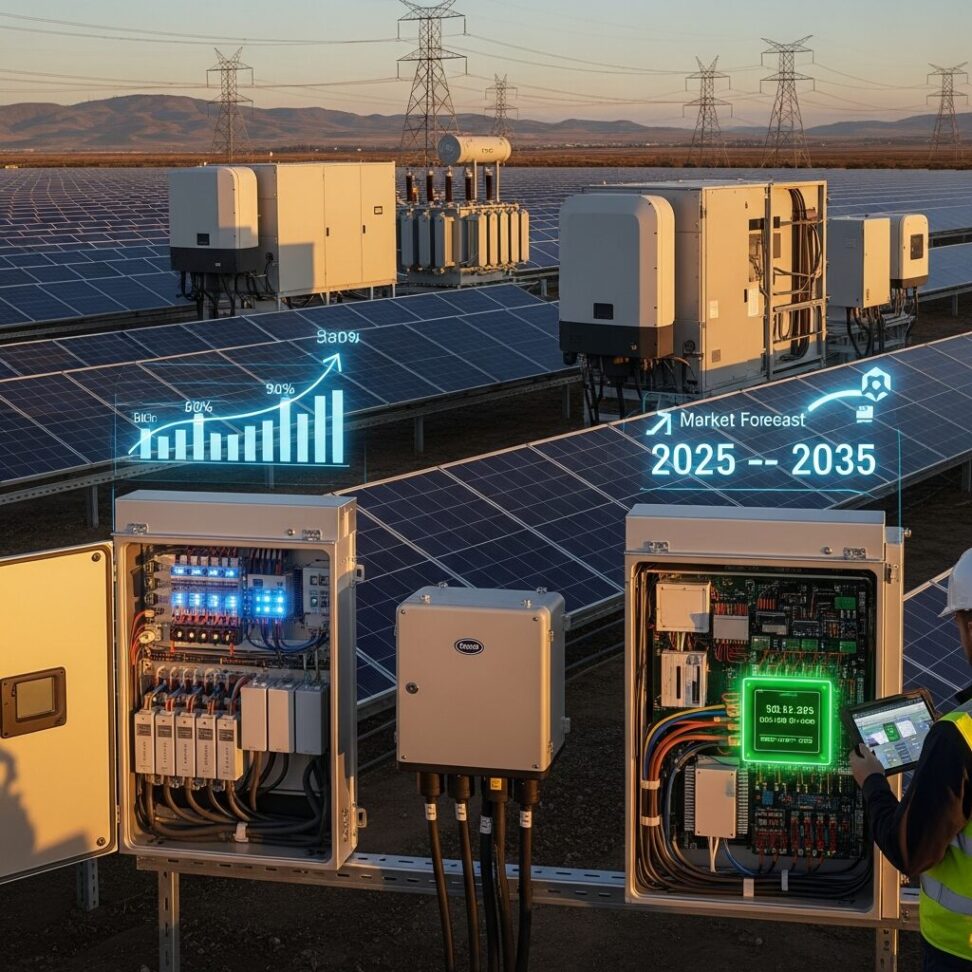
Weatherproof Solar Electronics Enclosures Drive Energy Storage Growth Through 2035
The global market for weatherproof enclosures designed to protect solar electronics is experiencing significant expansion as utility-scale solar installations continue to proliferate worldwide. Industry forecasts suggest this specialized sector will maintain steady growth through 2035, driven by increasing demand for reliable protection systems in renewable energy infrastructure.
Market Expansion Tied to Solar Energy Growth
Weatherproof enclosures serve a critical function in solar energy systems by protecting sensitive electronic components from environmental hazards including moisture, dust, extreme temperatures, and physical damage. As solar installations scale up to meet global renewable energy targets, the need for robust protective housing has become increasingly important for maintaining system reliability and longevity.
The utility-scale solar sector represents the primary driver for enclosure demand. These large installations require extensive arrays of inverters, combiners, monitoring equipment, and energy storage systems, all of which need adequate protection from weather conditions to ensure continuous operation and optimal performance.
Energy Storage Integration Creates New Opportunities
The convergence of solar power generation with battery energy storage systems has opened additional market channels for weatherproof enclosure manufacturers. Energy storage facilities require specialized protective housing to safeguard battery management systems, power conversion equipment, and control electronics from environmental exposure.
This integration trend reflects the broader shift toward grid-scale energy storage solutions that can store excess solar generation for use during peak demand periods or when sunlight is unavailable. The enclosures must meet stringent requirements for:
- Temperature regulation to prevent overheating of electronic components
- Moisture resistance to protect against humidity and precipitation
- Dust and particle filtration in arid environments
- Structural integrity to withstand wind and physical impacts
- UV resistance for long-term outdoor exposure
Regional Market Dynamics
Different geographic regions present varying requirements for enclosure specifications based on local climate conditions. Desert installations face extreme heat and dust exposure, while coastal projects must address salt air corrosion. Northern climate installations require solutions that can withstand freeze-thaw cycles and snow loads.
This geographic diversity has prompted manufacturers to develop customized solutions tailored to specific environmental challenges, contributing to product innovation and market segmentation.
Technical Advancements Supporting Market Growth
Recent developments in enclosure technology have focused on improving thermal management capabilities and incorporating smart monitoring features. Advanced cooling systems help maintain optimal operating temperatures for sensitive electronics, while integrated sensors can alert operators to potential issues before equipment failure occurs.
Material science improvements have also played a role, with manufacturers utilizing advanced polymers and corrosion-resistant alloys that offer enhanced durability compared to traditional metal enclosures. These materials provide better protection while reducing weight and installation complexity.
Industry Outlook Through 2035
Market analysts project continued growth for weatherproof solar electronics enclosures through 2035, supported by several key factors. Government policies promoting renewable energy adoption continue to drive new solar installations globally. Many countries have established ambitious renewable energy targets that will require substantial infrastructure investment over the coming decade.
The declining cost of solar panels has made utility-scale projects increasingly economically viable, even without subsidies in many markets. This cost competitiveness is expected to accelerate installation rates and subsequently increase demand for protective enclosures.
Additionally, aging solar infrastructure in early-adopter markets will create replacement demand as original equipment reaches end-of-life. This retrofit market represents an emerging opportunity for enclosure manufacturers offering upgraded protection systems compatible with existing installations.
Challenges and Considerations
Despite positive growth projections, the market faces certain challenges. Supply chain disruptions can impact the availability of raw materials and components. Manufacturing capacity must scale appropriately to meet growing demand without compromising quality standards.
Competition from low-cost producers may pressure profit margins, particularly in price-sensitive markets. Manufacturers will need to differentiate through product quality, technical support, and value-added features rather than competing solely on price.
The weatherproof enclosure market for solar electronics stands positioned for sustained expansion through 2035, driven by the global transition to renewable energy and the increasing integration of energy storage systems with solar generation. Companies that can deliver reliable, innovative protection solutions tailored to diverse environmental conditions will be well-positioned to capture growth opportunities in this expanding sector.
Analyzed and outlined by Claude Sonnet 4.5, images by Imagen 4.0 Ultra.
**Source**
https://www.indexbox.io/blog/weatherproof-enclosures-for-solar-electronics-market-forecast-points-higher-toward-2035-amid-utility-scale-solar-expansion/