
Solar and Battery Storage Dominate US Clean Energy Capacity Growth
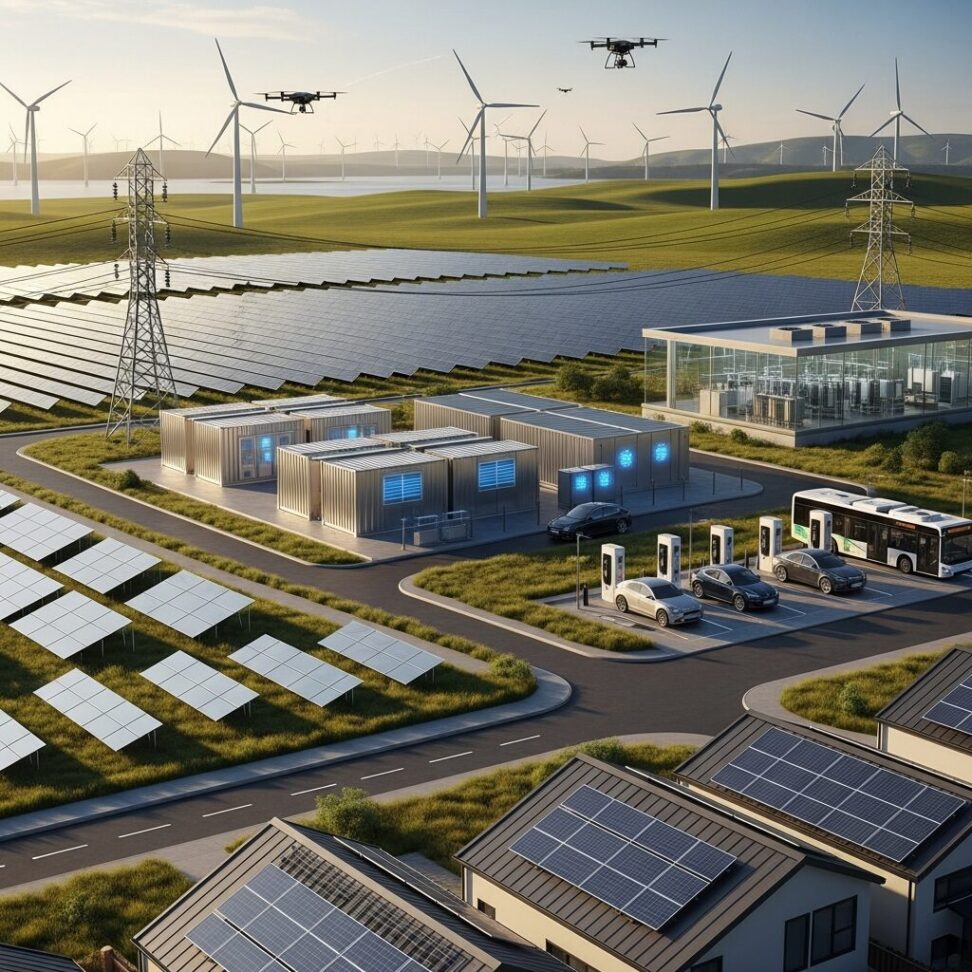
The United States energy landscape continues to shift toward renewable sources, with solar power and battery storage systems leading the transformation. Recent data shows these two technologies are outpacing all other forms of energy capacity additions across the country.
Solar Power Takes the Lead
Solar energy installations have reached unprecedented levels in the US power sector. The technology now represents the largest share of new capacity additions, reflecting both declining costs and increased demand from utilities, businesses, and residential customers. This growth pattern signals a fundamental change in how the nation generates electricity.
The expansion of solar capacity spans multiple segments of the market. Large-scale utility projects continue to deploy across sun-rich regions, while distributed solar installations on rooftops and commercial properties add significant capacity at the local level. This dual approach creates a more resilient and diverse energy infrastructure.
Battery Storage Emerges as Critical Infrastructure
Energy storage systems have become essential partners to renewable energy generation. Battery technology addresses one of the primary challenges of solar and wind power: intermittency. By storing excess energy produced during peak generation hours, these systems ensure power availability when the sun sets or wind speeds drop.
The battery storage sector has experienced rapid growth that matches or exceeds solar expansion in many markets. Grid-scale battery installations now provide crucial services including frequency regulation, peak demand management, and backup power. These capabilities make renewable energy more reliable and dispatchable, characteristics traditionally associated with fossil fuel plants.
Combined Impact on the Grid
The pairing of solar generation with battery storage creates a powerful combination for grid operators. This integration allows renewable energy to compete directly with conventional power plants by providing electricity on demand rather than only when weather conditions permit. Many new solar projects now include co-located battery systems as standard components.
This trend influences how utilities plan their infrastructure investments. The cost-effectiveness of solar plus storage often surpasses that of natural gas peaker plants and other traditional solutions for meeting electricity demand. Grid planners increasingly view these paired systems as preferred options for capacity expansion.
Policy and Economic Drivers
Multiple factors contribute to the dominance of solar and battery storage in capacity additions. Federal incentives, including tax credits for renewable energy projects, reduce upfront costs and improve project economics. State-level policies such as renewable portfolio standards and clean energy mandates create guaranteed markets for solar power.
The economic case for these technologies has strengthened independent of policy support. Solar panel costs have declined by over 90 percent in the past decade, while battery prices have followed a similar trajectory. These cost reductions make clean energy competitive with or cheaper than fossil fuel alternatives in most markets.
Regional Variations and Hotspots
While solar and storage growth occurs nationwide, certain regions lead the expansion. States with strong solar resources, supportive policies, and high electricity prices see the most aggressive deployment. California, Texas, and Florida rank among the top markets for both technologies, though projects are spreading to previously untapped areas.
The geographic diversification of solar and storage installations strengthens the overall energy system. As these technologies prove their value in different climate zones and market conditions, adoption accelerates in regions that previously relied almost exclusively on conventional generation.
Looking Ahead
The trajectory for solar and battery storage suggests continued dominance in capacity additions for years to come. Project pipelines show thousands of megawatts waiting for interconnection approval. Supply chains are expanding to meet demand, while technological improvements continue to enhance performance and reduce costs.
This growth pattern will reshape the US electricity sector fundamentally. Coal and natural gas plants face retirement as cleaner, cheaper alternatives become available. The transition creates opportunities for workforce development, manufacturing, and energy innovation while reducing greenhouse gas emissions from power generation.
The combination of solar generation and battery storage represents more than incremental change in the energy sector. These technologies are establishing themselves as the preferred choice for new capacity, marking a clear shift in how America generates and delivers electricity to homes and businesses.
Analyzed and outlined by Claude Sonnet 4.5, images by Imagen 4.0 Ultra.
**Source**