
Nunavut Secures $17 Million Federal Funding for Clean Energy Transition
Nunavut is taking a significant step toward reducing its dependence on diesel fuel with a fresh injection of federal funding aimed at advancing clean energy projects across the territory. The $17 million commitment from the Government of Canada will help power community-led renewable energy initiatives and support Nunavut’s broader vision for a sustainable future.
Breaking Down the Federal Investment
The $17 million in federal funding will be directed toward clean energy projects designed to reduce greenhouse gas emissions and lower the cost of energy for Nunavummiut. Currently, all 25 communities in Nunavut rely on diesel-powered generators for electricity, making the territory one of the most fossil fuel-dependent regions in Canada. The funding aims to change that reality by supporting alternative energy sources better suited to the Arctic environment.
The announcement reflects a growing recognition that northern and remote communities require tailored solutions to address their unique energy challenges, including extreme weather conditions, limited infrastructure, and high transportation costs for imported fuel.
Why Diesel Dependence Is a Problem
Nunavut’s reliance on diesel comes with both environmental and economic costs. Shipping fuel to remote Arctic communities is expensive, and the burning of diesel contributes to carbon emissions in a region already experiencing the effects of climate change at an accelerated pace. The Arctic is warming nearly four times faster than the global average, putting pressure on Indigenous communities whose traditional ways of life depend on stable ecosystems.
Transitioning away from diesel is not just an environmental priority—it’s also a matter of energy security and economic stability for residents who face some of the highest electricity costs in the country.
What the Funding Will Support
The federal investment is expected to back a range of clean energy initiatives, which may include:
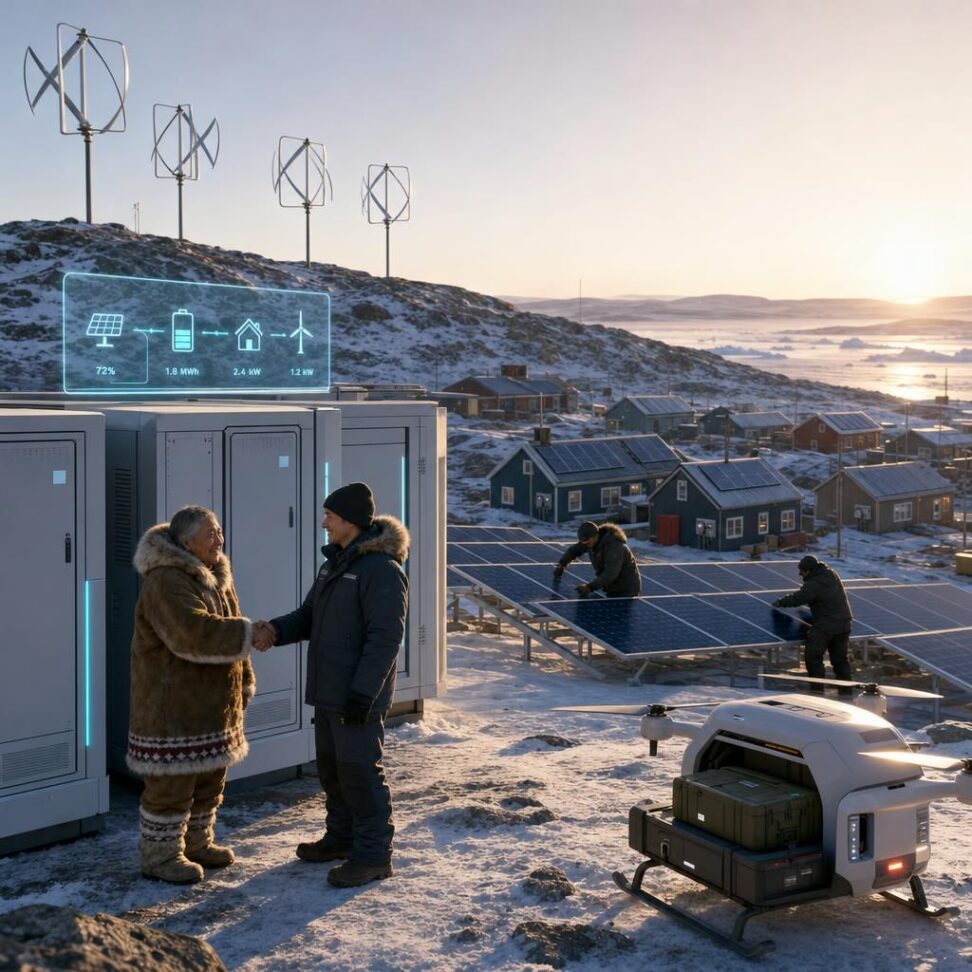
- Solar power installations adapted for Arctic conditions
- Wind energy projects in suitable coastal communities
- Energy efficiency upgrades for existing buildings and infrastructure
- Battery storage systems to balance intermittent renewable sources
- Community-led planning and capacity-building programs
These projects align with Nunavut’s Katujjiqatigiinniq energy strategy, which emphasizes collaboration between government, Inuit organizations, and local communities to develop solutions rooted in Indigenous knowledge and self-determination.
Community-Driven Clean Energy Solutions
One of the defining features of Nunavut’s clean energy approach is its emphasis on local engagement. Rather than imposing top-down solutions, the territory is working to ensure that Inuit communities lead the planning and implementation of renewable projects. This approach respects traditional knowledge while integrating modern engineering practices suited to the Arctic.
Local ownership of clean energy infrastructure also creates opportunities for skills development, training, and long-term employment in communities that have historically faced limited economic options.
The Broader Push for Northern Energy Independence
This $17 million commitment is part of a larger federal effort to support clean energy transitions in remote, Indigenous, and northern communities across Canada. Programs like the Clean Energy for R