
Canada’s Auto Sector Future: Clean Energy and Engineering Innovation Pathways
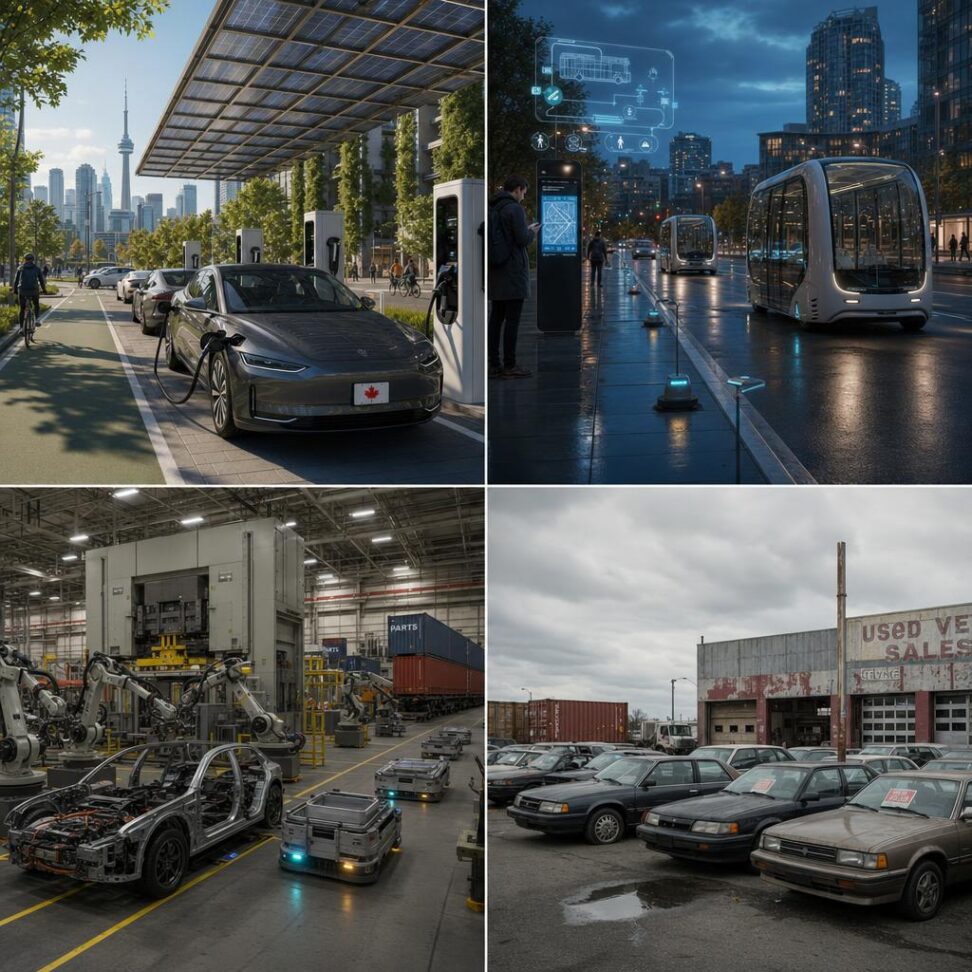
Canada’s automotive industry stands at a crossroads, with multiple potential trajectories that could reshape the sector’s role in the national economy. A recent analysis by RBC Economics has identified four distinct scenarios that could define the future of Canadian auto manufacturing, each with significant implications for clean energy adoption and engineering capabilities.
Four Potential Scenarios for the Auto Sector
RBC’s comprehensive study outlines possible futures ranging from optimistic growth to challenging decline scenarios. These pathways reflect the complex interplay between global market forces, technological shifts, and policy decisions that will determine whether Canada strengthens or loses its position in the automotive manufacturing landscape.
The financial institution’s research comes at a critical time when the automotive sector faces unprecedented transformation driven by electrification, changing trade policies, and evolving consumer preferences. Understanding these potential outcomes helps stakeholders prepare for various contingencies.
The Clean Energy Transition Challenge
Central to all four scenarios is the ongoing transition to electric vehicles and clean energy technologies. Canada’s ability to compete in this new era depends heavily on its capacity to attract investment in battery manufacturing, charging infrastructure, and electric powertrain production.
The country has made substantial commitments to support EV production, with federal and provincial governments offering incentives to automakers willing to establish or expand electric vehicle manufacturing facilities. These investments represent billions of dollars in potential economic activity and thousands of jobs.
However, the transition also presents risks. Traditional automotive jobs may not seamlessly transfer to electric vehicle production, which requires different skill sets and often fewer workers per vehicle produced. This reality factors prominently in RBC’s analysis of potential outcomes.
Engineering Innovation as a Differentiator
One critical factor separating the positive scenarios from negative ones is Canada’s ability to foster engineering innovation and advanced manufacturing capabilities. The country’s automotive sector has historically relied on assembly operations rather than design and engineering functions, which typically remain concentrated in company headquarters abroad.
Shifting toward higher-value engineering work would provide greater stability and resilience against global market fluctuations. This transition requires:
- Increased research and development investment by both private companies and government entities
- Stronger collaboration between automotive manufacturers and Canadian universities
- Development of specialized expertise in battery technology, electric powertrains, and autonomous systems
- Creation of intellectual property that gives Canada competitive advantages in global markets
Trade Policy and Market Access
The analysis emphasizes that international trade relationships will significantly impact which scenario materializes. Canada’s automotive sector operates within a North American production network, making trade agreements and tariff policies crucial determinants of success.
Recent trade tensions and policy shifts in major markets create uncertainty. Changes to rules of origin requirements, domestic content mandates, and cross-border tariff structures could either enhance or diminish Canada’s attractiveness as a manufacturing location.
Investment Decisions and Timing
The window for securing Canada’s position in the electric vehicle era may be limited. Automakers are currently making long-term investment decisions about where to locate new production facilities. Once these choices are made, they typically remain fixed for decades due to the substantial capital requirements involved.
Canadian jurisdictions are competing not only with American states but also with international locations offering competitive advantages in labor costs, energy prices, or proximity to key markets. The next few years will likely prove decisive in determining which scenario unfolds.
Workforce Development Implications
Each potential future carries different implications for Canadian workers and communities dependent on automotive manufacturing. Preparing the workforce for evolving skill requirements represents both a challenge and an opportunity.
Technical training programs, apprenticeships, and partnerships between industry and educational institutions will need to expand and adapt. Workers transitioning from traditional automotive manufacturing to clean energy vehicle production may require retraining programs to develop relevant competencies.
Looking Ahead
The path Canada’s automotive sector ultimately follows will depend on decisions made by government policymakers, corporate executives, and industry stakeholders over the coming years. While uncertainty remains, the country has opportunities to position itself advantageously in the clean energy automotive future.
Success will require coordinated action across multiple fronts: strategic investments in clean energy infrastructure, policies that encourage innovation and engineering development, trade frameworks that support competitive manufacturing, and workforce initiatives that prepare Canadians for evolving industry requirements.
The stakes are high, with thousands of jobs and billions in economic activity hanging in the balance. Understanding the possible scenarios helps all parties involved make informed decisions that steer toward the most beneficial outcomes.
Analyzed and outlined by Claude Sonnet 4.5, images by GPT-Image-2_4-21-26.
**Source**