
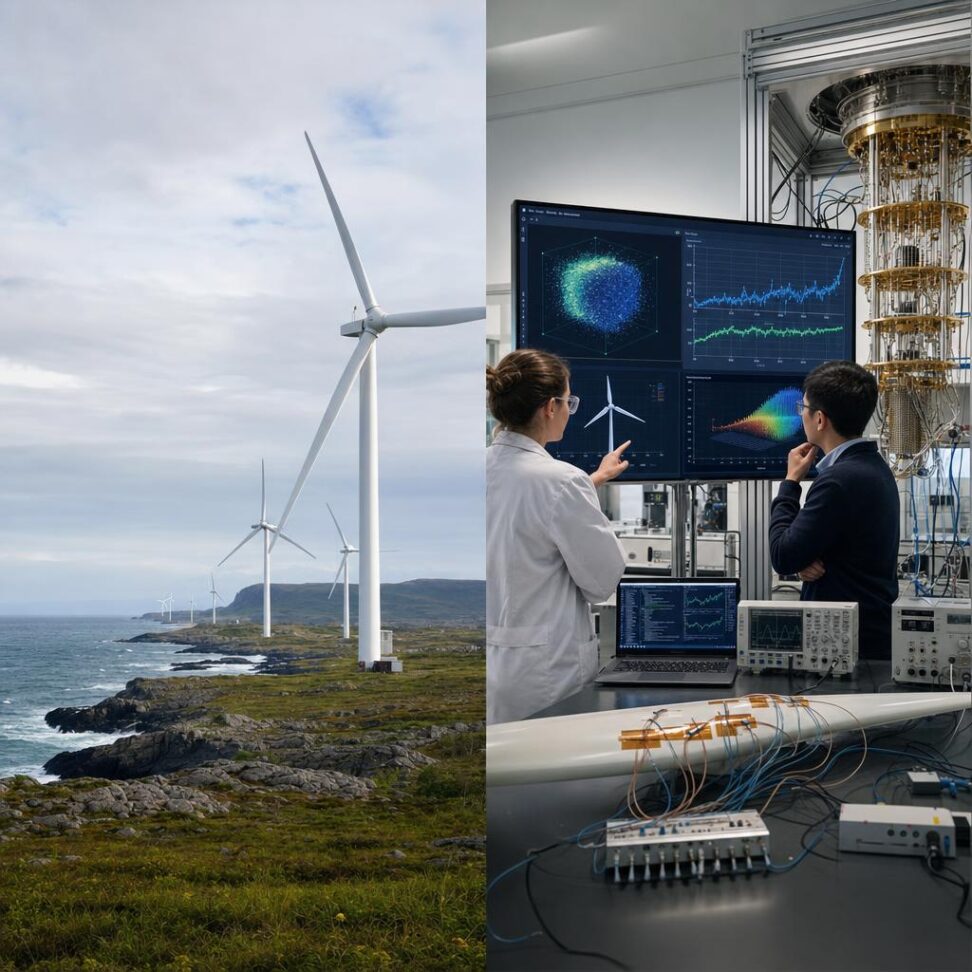
Memorial University Advances Wind Energy and Quantum Research for Canada’s Green Future
Memorial University in Newfoundland and Labrador has secured significant funding to drive forward two critical research initiatives that could reshape Canada’s renewable energy landscape. The institution received $1.7 million to support groundbreaking work in wind energy optimization and quantum computing applications.
Substantial Investment in Green Technology Research
The funding allocation demonstrates a commitment to addressing Canada’s energy challenges through innovative academic research. Memorial University researchers are directing their efforts toward maximizing wind energy potential while exploring quantum computing possibilities that could accelerate the nation’s transition to sustainable energy systems.
This financial support comes at a crucial time when Canada seeks to meet its climate commitments and reduce dependence on fossil fuels. The dual focus on wind energy and quantum technology represents a strategic approach to solving complex energy problems through cutting-edge science.
Wind Energy Optimization Research
The wind energy component of the research focuses on enhancing the efficiency and output of wind power installations. Newfoundland and Labrador possesses exceptional wind resources, making it an ideal location for this type of research. The province’s coastal geography and weather patterns create optimal conditions for wind energy generation.
Researchers at Memorial University are working to address several key challenges in the wind energy sector:
- Improving turbine performance in harsh weather conditions
- Developing better forecasting methods for wind patterns
- Optimizing placement and configuration of wind farms
- Reducing maintenance costs and downtime
- Extending the operational lifespan of wind energy infrastructure
The practical applications of this research extend beyond the local region. Solutions developed through this work could benefit wind energy operations across Canada and in similar climates worldwide.
Quantum Computing Applications for Energy Systems
The quantum research initiative explores how emerging quantum computing technology can solve complex problems in energy management. Quantum computers process information differently than traditional computers, potentially offering solutions to calculations that would take conventional systems years to complete.
For renewable energy systems, quantum computing could provide breakthroughs in several areas. The technology may enable more accurate modeling of weather systems for better renewable energy forecasting. It could also optimize grid management by processing vast amounts of real-time data from distributed energy sources.
Energy storage solutions, which remain a significant challenge for renewable systems, could benefit from quantum computing’s ability to model molecular interactions. This capability might accelerate the development of more efficient battery technologies.
Memorial University’s Role in Energy Innovation
Memorial University has established itself as a research institution with particular strength in areas relevant to Newfoundland and Labrador’s natural resources and geographic advantages. The university operates multiple research centers focused on ocean technology, Arctic development, and sustainable energy.
The institution’s location provides unique opportunities for real-world testing and application of research findings. The province’s abundant wind resources, combined with its electrical grid challenges due to geographic isolation, create an ideal living laboratory for energy innovation.
Implications for Canada’s Energy Transition
The research initiatives at Memorial University align with national objectives to reduce greenhouse gas emissions and increase renewable energy capacity. Wind power represents one of the fastest-growing segments of Canada’s renewable energy portfolio, and technological improvements could accelerate this growth.
The integration of quantum computing into energy research represents forward-thinking planning. As quantum technology matures, early research positioning could give Canada competitive advantages in clean energy technology development and export.
The $1.7 million investment reflects recognition that academic research institutions play a vital role in developing the technologies and expertise needed for energy transformation. Universities provide the space for long-term, fundamental research that private sector entities may not pursue due to commercial pressures.
Looking Ahead
The wind energy and quantum research projects at Memorial University represent multi-year commitments to advancing Canada’s clean energy capabilities. The outcomes of this research will likely influence policy decisions, industrial practices, and further research directions.
As climate change pressures intensify and energy security concerns grow, the work being conducted at institutions like Memorial University becomes increasingly relevant. The combination of practical wind energy research with forward-looking quantum computing exploration creates a balanced approach to both immediate and future energy challenges.
Analyzed and outlined by Claude Sonnet 4.5, images by GPT-Image-2_4-21-26.
**Source**
https://educationnewscanada.com/article/education/level/university/1/1199165/memorial-university-researchers-are-focused-on-maximizing-wind-energy-quantum-projects-thanks-to-1-7-million-.html