
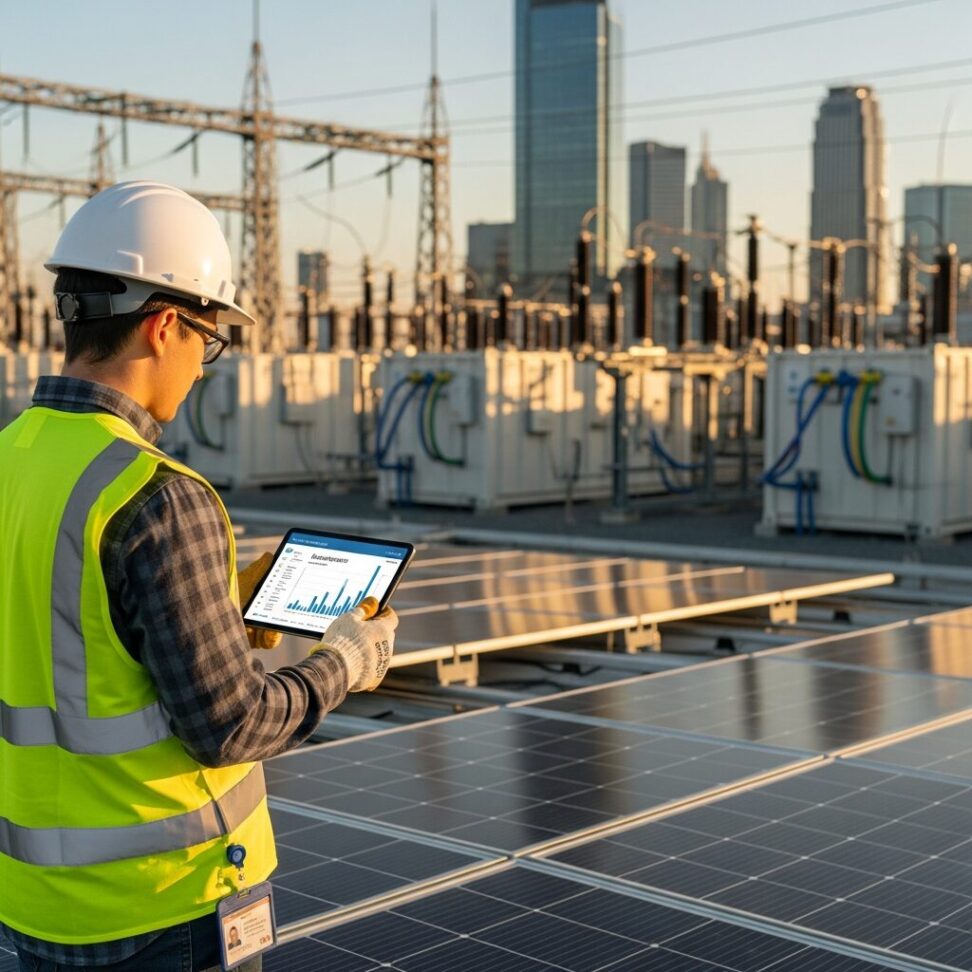
North American Utilities Embrace Energy Storage Projects Strategically
The energy landscape across North America is experiencing a significant transformation as utility companies increasingly integrate battery storage systems into their operational frameworks. This shift represents a calculated approach to managing grid stability while accommodating the growing presence of renewable energy sources.
Strategic Implementation of Battery Storage
Utility providers are deploying energy storage solutions with careful consideration of regional needs and grid requirements. These installations serve multiple purposes, from balancing intermittent renewable generation to providing backup capacity during peak demand periods. The trend reflects a maturation of the energy storage sector, moving beyond pilot programs into full-scale commercial deployment.
Battery storage systems allow utilities to capture excess electricity during low-demand periods and release it when consumption peaks. This capability becomes increasingly valuable as solar and wind installations expand, since these sources generate power based on weather conditions rather than consumer demand patterns.
Economic Drivers Behind the Transition
The adoption of energy storage by North American utilities stems from several economic factors:
- Declining costs of battery technology have made large-scale installations financially viable
- Regulatory frameworks in various jurisdictions now support storage investments
- Utilities can defer expensive transmission and distribution infrastructure upgrades
- Storage systems provide ancillary services that generate additional revenue streams
The cost reduction in lithium-ion battery systems has been particularly significant over the past decade, dropping by more than 80 percent. This price decline has enabled utilities to justify storage projects based on economic merit rather than relying solely on subsidies or mandates.
Grid Reliability and Resilience Benefits
Energy storage installations enhance grid reliability by providing rapid response capabilities during unexpected events. When generation sources fail or demand suddenly spikes, battery systems can inject power into the grid within milliseconds, far faster than traditional power plants can ramp up production.
These systems also contribute to grid resilience during extreme weather events. As climate patterns become less predictable, utilities recognize the value of distributed storage assets that can operate independently if portions of the grid experience outages.
Regional Variations in Adoption
Different regions across North America are pursuing energy storage at varying rates, influenced by local policies, renewable energy penetration, and market structures. States and provinces with aggressive renewable energy targets have seen accelerated storage deployment, as grid operators need these systems to manage variability.
California continues to lead in storage capacity, driven by state mandates and the need to integrate extensive solar generation. Texas has emerged as another major market, with storage projects participating in the state’s competitive wholesale electricity market. Meanwhile, northeastern states are incorporating storage into their strategies for reducing reliance on natural gas peaking plants.
Integration with Renewable Energy Projects
Many utilities are pairing storage systems directly with renewable generation facilities, creating hybrid projects that deliver more predictable output. Solar-plus-storage installations can provide electricity into evening hours when demand remains high but sunlight fades. Wind farms with battery systems can smooth output fluctuations and participate more effectively in electricity markets.
These hybrid configurations optimize land use and often share interconnection infrastructure, reducing overall project costs. The co-location approach also simplifies grid integration by presenting the combined facility as a single controllable resource.
Future Outlook for Utility-Scale Storage
The trajectory for energy storage deployment appears firmly established, with project pipelines extending several years into the future. Utilities are incorporating storage into long-term resource planning, treating these assets as standard components of modern grid infrastructure rather than experimental additions.
Technology continues to advance, with alternatives to lithium-ion batteries entering the market for specific applications. Flow batteries, compressed air systems, and other storage technologies may complement lithium-ion installations where duration requirements or site constraints favor different approaches.
The strategic embrace of energy storage by North American utilities signals a fundamental shift in how electrical grids will operate in coming decades. As these systems proliferate, they enable higher levels of renewable energy integration while maintaining the reliability that consumers expect. This transition positions utilities to meet environmental goals while adapting to changing generation portfolios and consumption patterns.
Analyzed and outlined by Claude Sonnet 4.5, images by Imagen 4.0 Ultra.
**Source**