
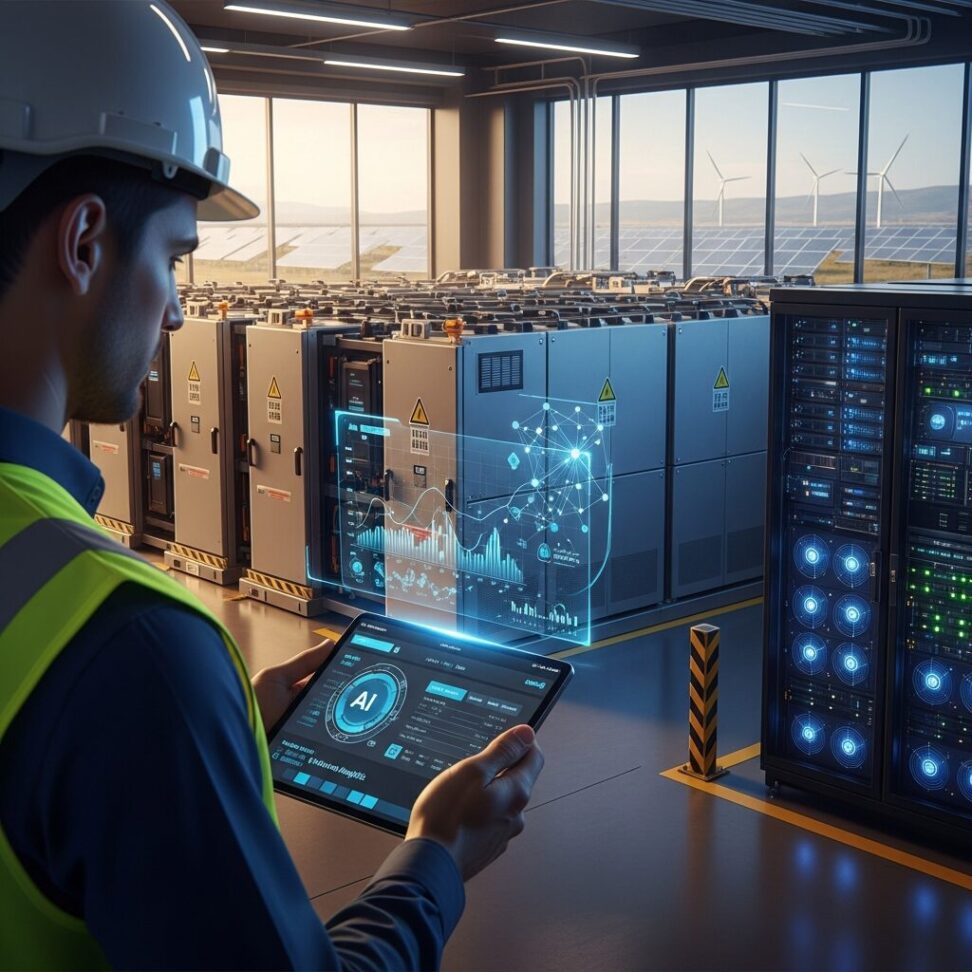
AI-Powered Energy Storage Solutions Revolutionizing Global Markets
The intersection of artificial intelligence and energy storage is reshaping how power grids operate and how renewable energy integrates into our daily lives. Recent market analysis indicates that AI-enabled advanced energy storage systems are experiencing significant growth, driven by the increasing demand for efficient power management and the global transition toward sustainable energy sources.
Market Growth and Projections
The AI-enabled advanced energy storage market is expanding rapidly as utilities, commercial enterprises, and residential consumers seek smarter ways to store and distribute electricity. This growth is fueled by several factors, including the declining costs of battery technology, advances in machine learning algorithms, and the pressing need to balance intermittent renewable energy sources like solar and wind power.
Energy storage systems equipped with AI capabilities can predict energy demand patterns, optimize charging and discharging cycles, and extend battery lifespan through intelligent management. These systems analyze vast amounts of data in real-time, making split-second decisions that maximize efficiency and reduce operational costs.
Key Applications Driving Adoption
AI-powered energy storage solutions are finding applications across multiple sectors:
- Grid-scale storage facilities that stabilize power distribution networks
- Commercial and industrial installations that reduce peak demand charges
- Residential systems that enable homeowners to store solar energy for later use
- Electric vehicle charging infrastructure that manages load balancing
- Remote and off-grid locations requiring reliable power supply
Technology Integration and Innovation
The integration of AI into energy storage goes beyond simple automation. Machine learning algorithms continuously improve their performance by learning from historical data and adapting to changing conditions. These systems can predict equipment failures before they occur, schedule maintenance proactively, and adjust operational parameters to account for weather patterns, energy prices, and grid conditions.
Battery management systems enhanced with AI can also communicate with other smart devices and energy assets, creating a coordinated ecosystem that optimizes energy flow throughout buildings, campuses, or entire communities. This level of coordination was previously impossible with conventional control systems.
Regional Market Dynamics
Different regions are adopting AI-enabled energy storage at varying rates, influenced by local policies, energy costs, and infrastructure needs. Markets with high renewable energy penetration are particularly eager to implement these solutions, as they help address the intermittency challenges associated with wind and solar generation.
Developing economies are also showing interest in these technologies, particularly for rural electrification projects where traditional grid infrastructure is impractical or too expensive to deploy. AI-optimized microgrids with storage capabilities offer a viable path to energy access in these areas.
Challenges and Considerations
Despite the promising outlook, several challenges remain. The initial investment costs for AI-enabled systems can be substantial, though these are typically offset by long-term operational savings. Data security and privacy concerns must also be addressed, as these systems collect and analyze detailed information about energy consumption patterns.
Regulatory frameworks are still evolving to accommodate these new technologies, and standardization efforts are ongoing to ensure interoperability between different manufacturers’ systems. The industry is working to establish common protocols and communication standards that will enable seamless integration across various platforms.
Environmental Impact
The environmental benefits of AI-powered energy storage extend beyond emissions reduction. By optimizing battery usage and extending equipment lifespan, these systems reduce waste and the need for frequent replacements. They also enable higher utilization of renewable energy sources, displacing fossil fuel generation and contributing to decarbonization goals.
Future Outlook
As AI algorithms become more sophisticated and energy storage technologies continue to improve, the synergy between these two fields will likely intensify. Future systems may incorporate predictive capabilities that anticipate grid disturbances, weather events, and demand fluctuations with unprecedented accuracy.
The convergence of AI, energy storage, and renewable generation is creating a new paradigm for how we produce, store, and consume electricity. This transformation is essential for building resilient, sustainable energy systems capable of meeting the demands of a growing global population while addressing climate change concerns.
Analyzed and outlined by Claude Sonnet 4.5, images by Imagen 4.0 Ultra.
**Source**
https://www.openpr.com/news/4499183/ai-enabled-advanced-energy-storage-market-booming-worldwide